Gordie Howe International Bridge: Trump Threat, Canada Funding, and What It Means for U.S.–Canada Trade
The nearly $6.5 billion Gordie Howe International Bridge—a project fully financed by Canada—briefly became the center of a cross-border political storm after
Donald Trump threatened on social media to block its opening. The bridge, connecting Windsor, Ontario and Detroit, Michigan, is scheduled to open later this year and is designed to carry approximately 8,000 trucks per day across the Detroit River.
What followed the late-night post was not just a dispute over infrastructure. It became a flashpoint in a broader debate about trade leverage, ownership structure, and the economic integration of the United States and Canada.
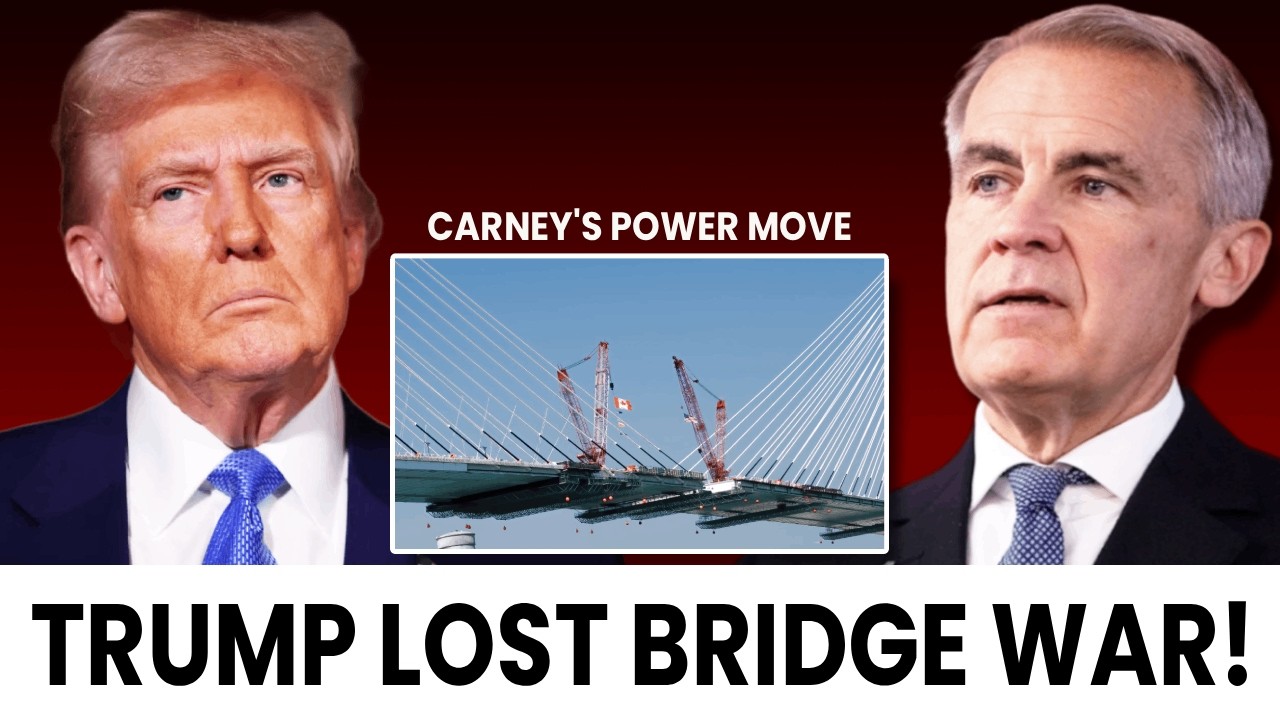
What Is the Gordie Howe International Bridge?
The Gordie Howe International Bridge is a six-lane cable-stayed bridge built to create a second major commercial crossing between Detroit and Windsor. With a total cost of approximately $6.4–$6.5 billion, the project includes:
-
The main bridge span
-
U.S. and Canadian customs plazas
-
Direct highway-to-highway connections to Interstate 75 (U.S.) and Highway 401 (Canada)
-
Supporting road infrastructure on both sides
The corridor handles roughly
25% of all merchandise trade between Canada and the United States, making it one of the most economically significant border crossings in North America.
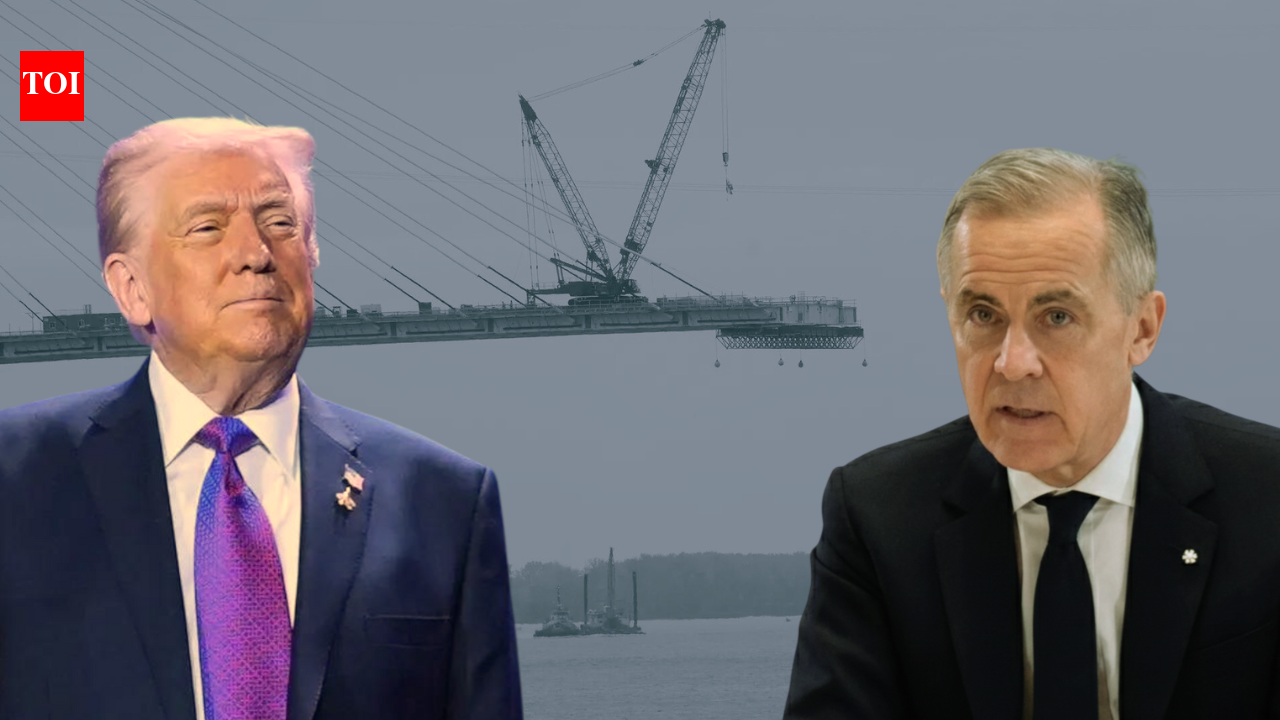
Who Paid for the Bridge?
A key point in the controversy is financing.
Under a 2012 agreement between Canada and the State of Michigan, Canada financed the entire construction cost of the bridge and related infrastructure. Michigan contributed no upfront funding.
In return, Michigan received:
-
Joint ownership of the completed bridge
-
Eligibility to receive 50% of net toll revenues after Canada recoups its construction costs
The agreement was negotiated publicly and signed during the administration of former Michigan Governor
May you like

Rick Snyder. It received required federal approval in 2013 when the U.S. State Department issued a presidential permit authorizing construction.
During Trump’s first term, the project continued to receive regulatory and legislative support. In 2019, Trump signed legislation including $15 million in U.S. customs funding connected to the project.
The ownership structure and financing model have been publicly documented for more than a decade.
Why Did Trump Threaten to Block It?
In a Truth Social post, Trump suggested that Canada owned both sides of the bridge and argued that the United States was being taken advantage of. He connected the bridge dispute to broader trade tensions, including:
-
Ontario’s temporary restrictions on American alcohol sales
-
Canadian dairy protections
-
A recent trade agreement between Canada and China reducing tariffs on Canadian canola
The bridge became part of a wider economic narrative.
However, Michigan officials and former Governor Snyder publicly clarified that Canada does not own both sides outright. Michigan holds joint ownership under the 2012 deal and stands to benefit financially once toll revenue flows.
The Ambassador Bridge Factor
To understand the economic stakes, it helps to look at the existing crossing.
The Ambassador Bridge, opened in 1929, has long served as the primary commercial truck crossing between Detroit and Windsor. It is privately owned by the Moroun family of Detroit and has operated as a near-monopoly for heavy truck traffic in the region.
The Detroit–Windsor Tunnel does not allow commercial trucks, making the Ambassador Bridge the only heavy-truck option for decades. This monopoly generated tens of millions of dollars annually in toll revenue.
When plans for a publicly owned second bridge advanced, opposition emerged. A Michigan ballot initiative requiring statewide voter approval for new international bridges was rejected by voters by roughly 60%.
Federal lawsuits challenging the new bridge were also unsuccessful, including cases the U.S. Supreme Court declined to hear.
The Gordie Howe Bridge introduces competition to that long-standing monopoly and creates redundancy in the system.
Why the Bridge Matters Economically
The Detroit–Windsor corridor is deeply integrated with the North American auto industry. Auto parts cross the border multiple times before a vehicle is completed.
Key benefits of the new bridge include:
1. Faster Transit Times
A University of Windsor study estimated commercial trips could be reduced by up to 20 minutes per crossing due to direct freeway connections.
2. Supply Chain Resilience
With only one truck-capable crossing previously available, any disruption—whether structural issues or protests—could halt cross-border trade. The new bridge eliminates that single point of failure.
3. Long-Term Cost Savings
Efficiency improvements could save trucking companies and manufacturers an estimated
$2.3 billion over 30 years, benefiting both U.S. and Canadian businesses.
4. Job Creation
Construction involved American and Canadian workers, including union labor on both sides of the border.
Michigan’s Political Reaction
The reaction inside Michigan was notably bipartisan.
-
Senator Alyssa Slotkin warned that cancelling the project would hurt Michigan businesses and supply chains.
-
Governor Gretchen Whitmer’s office emphasized that the bridge supports jobs and strengthens the auto industry.
-
Former Governor Rick Snyder published a detailed column explaining the ownership structure and economic logic behind the deal.
Even Republican officials acknowledged that blocking the bridge could harm Michigan’s economy.
Canada’s Response
Canadian Prime Minister Mark Carney responded calmly, emphasizing:
-
Canada financed the project
-
Ownership is shared with Michigan
-
American and Canadian workers contributed to construction
-
The bridge strengthens both economies
Carney framed the project as a symbol of cooperation rather than confrontation.
Infrastructure or Trade Leverage?
The broader question is whether the bridge was ever truly about infrastructure or whether it became a pressure point in a wider trade dispute.
Trade tensions between the U.S. and Canada have periodically escalated over dairy protections, tariffs, and market access. The bridge’s timing placed it in the middle of that friction.
However, the legal agreements governing the project remain intact. Permits were issued in 2013. Funding mechanisms were approved in 2019. The ownership structure has not changed.
Blocking the bridge would require navigating binding agreements and federal approvals already in place.
What Happens Next?
Construction continues toward completion. Once open:
-
Approximately 6,000 commuters are expected to cross daily
-
Around 8,000 trucks per day will move goods through the corridor
-
Toll revenues will eventually be split according to the 2012 agreement
The bridge stands as a physical representation of the economic interdependence between Detroit and Windsor.
Final Analysis: Contracts vs. Politics
The Gordie Howe International Bridge controversy highlights how infrastructure, trade policy, and domestic politics can collide.
On paper, the project remains what it has been since 2012:
-
A Canada-financed bridge
-
Jointly owned with Michigan
-
Designed to strengthen one of North America’s most critical trade corridors
Political rhetoric may shift, but contracts, permits, and economic data carry weight.
As opening day approaches, the bridge appears poised to fulfill the same purpose envisioned more than a decade ago: moving commerce efficiently between two economies that depend on each other every single day.