A $6.4 billion bridge rose over the Detroit River like a promise: smoother trade, faster trucks, fewer bottlenecks, and a second lifeline for the most important border corridor in North America.
Then, in one late-night burst on social media, Donald Trump threatened to block its opening—and accidentally detonated a political chain reaction that left Washington looking unprepared, Michigan officials openly rebuking him, and Mark Carney responding with a level of calm that made the whole episode feel even more humiliating.
Because here’s the part that makes the threat so explosive: Canada paid for the bridge. All of it.
Not partly. Not “shared.” Canada financed the span, the plazas, the highway connections—everything required to make this crossing operational. Under the 2012 Canada–Michigan agreement, Michigan didn’t put up construction money, but still secured joint ownership. And after Canada recovers its investment through tolls, Michigan becomes eligible to collect 50% of the net toll revenue going forward.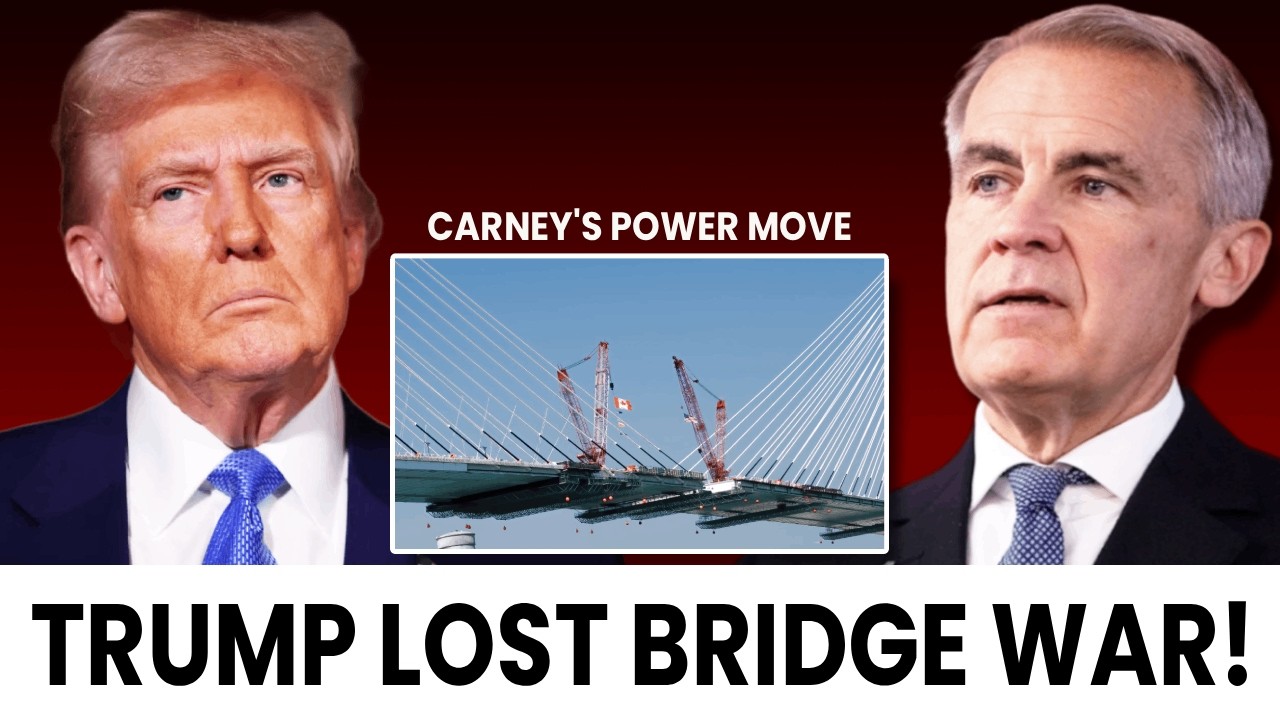
That deal wasn’t hidden. It wasn’t rushed. It was signed openly—by Michigan’s Republican governor at the time, Rick Snyder—and processed through official U.S. channels. In 2013, the U.S. State Department issued the required presidential permit. In 2017, Trump himself joined Trudeau in calling the bridge a vital economic link. And in 2019, Trump signed legislation including U.S. customs funding tied to the project.
So when Trump posted on February 9, 2026, implying the U.S. was being “taken advantage of” and suggesting compensation demands before the bridge could open, it wasn’t just startling.
It was… factually upside down.
And Michigan wasn’t having it.
Snyder stepped in with a public correction that hit harder precisely because it came from a Republican and a key figure in the bridge’s original negotiations. His message was blunt: the leverage play makes no sense because the pain would land on Michigan—its workers, its businesses, its auto supply chains.
That’s not theoretical. The Detroit–Windsor corridor handles roughly a quarter of all Canada–U.S. merchandise trade. Auto parts can cross the border multiple times before a vehicle is finished. A few hours of delay doesn’t “slow” that system—it stops it.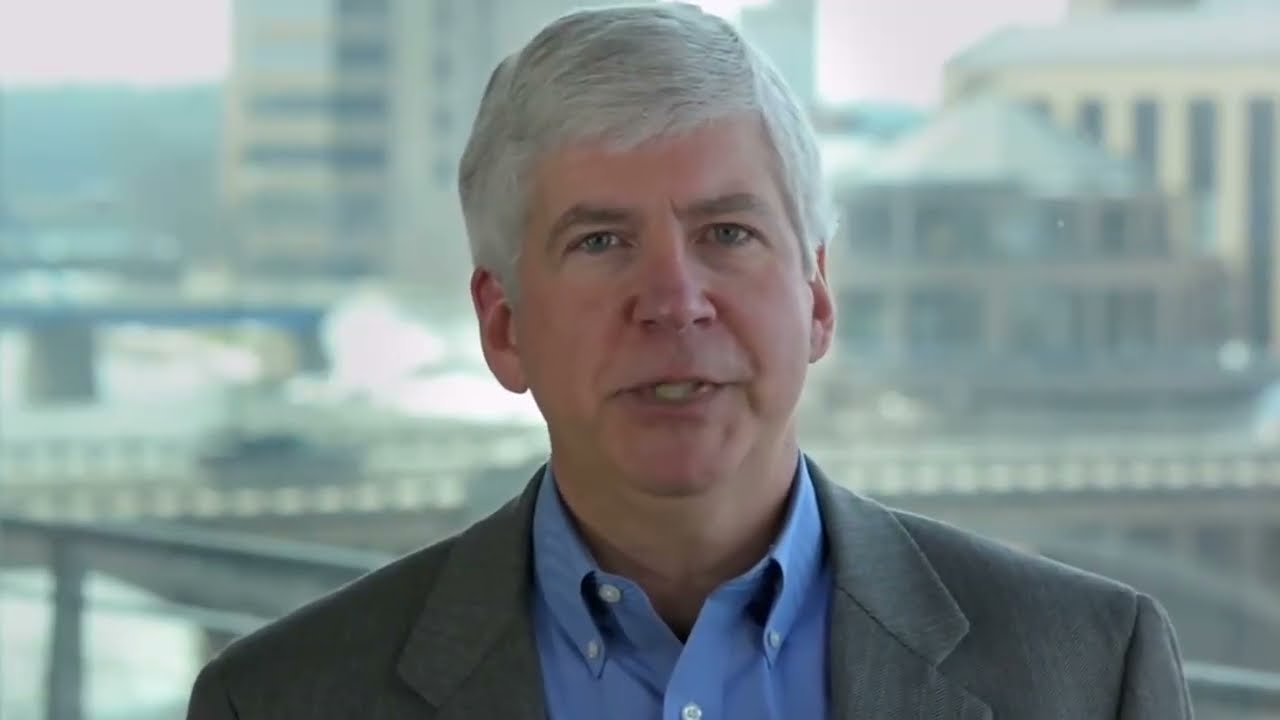
And the existing setup is fragile: the Detroit–Windsor tunnel can’t handle commercial trucks, leaving the Ambassador Bridge—built in 1929—as the near-monopoly route for heavy truck traffic. That bridge is privately owned, and it has generated tens of millions annually in toll revenue for decades. A publicly owned competitor has always been the nightmare scenario for the old monopoly.
Which is why the backstory matters: the private bridge owners fought the new crossing for years—ballot initiatives, lawsuits, lobbying. Voters rejected the ballot attempt. Courts rejected the exclusivity claims. The project survived every legal ambush.
Now, suddenly, Trump’s “block the opening” threat threatened to do what years of lawsuits couldn’t: keep the monopoly intact.
That’s the twist that changed the temperature in Michigan. The political response turned unusually unified. Senator Elissa Slotkin warned about real economic fallout. Governor Gretchen Whitmer’s team framed the bridge as jobs, supply chains, and union-built infrastructure. Even Michigan’s House Speaker acknowledged the private-ownership reality and hinted that retaliation risks could spill outward.
Then came Carney’s move—and this is where the U.S. got genuinely rattled.
Carney didn’t escalate publicly. He didn’t theatrically “clap back.” He went straight to the core: facts and process. He called Trump directly, laid out the ownership reality, the financing reality, and the shared benefit. Then he told reporters the bridge is cooperation, commerce, tourism—something built to work, not posture.
And by refusing to turn it into a screaming match, Carney forced Washington into the worst possible position: reacting loudly to an argument the documents don’t support.
Underneath the drama, the economics haven’t changed. The Gordie Howe Bridge replaces city-street congestion with a freeway-to-freeway connection to Highway 401 and I-75. A University of Windsor study estimated up to 20 minutes saved per commercial trip, adding up to $2.3 billion in savings over 30 years for trucking and industry. It also removes the corridor’s single point of failure by creating redundancy.
So the real question isn’t whether the bridge will open.
It’s why a project endorsed, permitted, and funded during Trump’s first term suddenly became a hostage in a wider trade fight—tangled up with dairy, alcohol policy, and Canada’s China trade moves.
A $6.4 billion crossing didn’t become controversial because steel and concrete changed.
It became controversial because politics did.