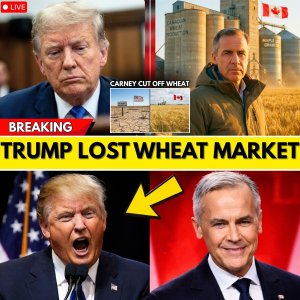
The global trade system is often framed around oil, technology, or manufacturing, but one of the most powerful forms of economic leverage is far simpler: food. In recent years, trade tensions between the United States and Canada have revealed an overlooked reality—America’s food supply chains, especially wheat-dependent industries, are more interconnected with Canadian agriculture than many policymakers or consumers realize. While the U.S. remains one of the world’s largest wheat producers, the specialized nature of wheat varieties means domestic production alone cannot fully replace certain high-quality imports, particularly from Canada.
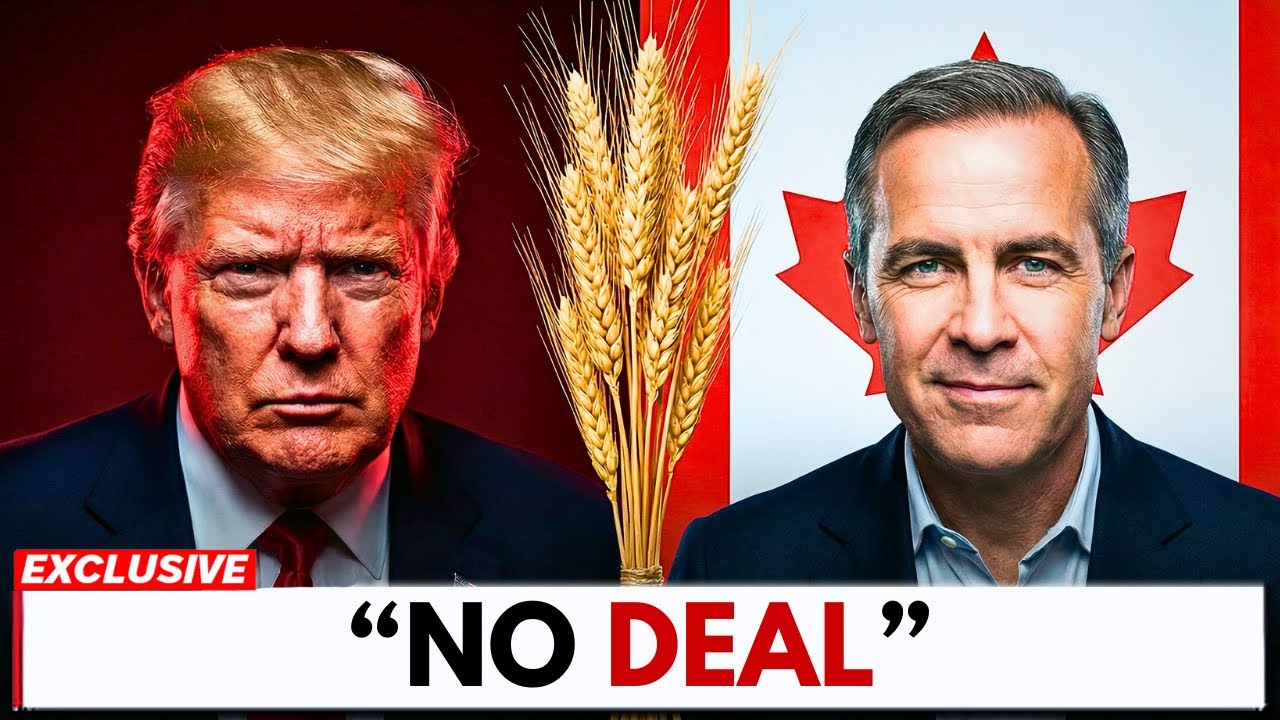
Although the United States produces roughly 50 million metric tons of wheat annually, not all wheat serves the same purpose. High-protein spring wheat, essential for premium bread flour, and durum wheat, critical for pasta production, often come from Canada’s prairie regions. American flour mills have spent decades optimizing production around specific blends of Canadian and domestic wheat varieties. This is not simply a matter of preference—it is chemistry, infrastructure, and long-term supply chain engineering. Replacing these inputs would require years of agricultural and industrial restructuring, not just short-term policy shifts.
Canada has long been the dominant supplier of imported wheat into the United States, largely because of its consistent quality and natural growing advantages tied to soil and climate conditions. However, recent tariff disputes have prompted Canada to accelerate trade diversification. Canadian wheat exports are increasingly flowing to markets across Asia, Latin America, and the Middle East. Improved logistics, including expanded rail connections linking Canadian farms to Mexican markets, have strengthened Canada’s ability to pivot away from heavy reliance on U.S. buyers while maintaining strong global demand for its agricultural exports.
Ironically, tariffs designed to pressure Canadian concessions may have produced the opposite effect. By encouraging Canadian exporters to build alternative trade relationships, the United States risks weakening its own long-term leverage. At the same time, redirected Canadian exports increase global competition for American farmers, especially in shared export markets. For U.S. consumers, the impact is more direct: higher import costs ripple through supply chains, raising prices for flour, bread, pasta, and baked goods. Food inflation, already a sensitive political and economic issue, becomes more difficult to manage when supply chains become less predictable.

Beyond wheat, the broader pattern extends to other critical cross-border commodities, including lumber, potash, and energy. The deeply integrated nature of the U.S.–Canada economic relationship means leverage flows in both directions. Canada’s recent strategy focuses less on retaliation and more on resilience—building trade networks designed to reduce vulnerability to political shifts in Washington. Once businesses invest in new export routes and partnerships, those relationships tend to persist even if tariffs are later reduced or removed.
The long-term lesson emerging from North American trade tensions is that economic interdependence cannot be treated as a zero-sum game. Food supply chains, in particular, operate on multi-year agricultural cycles and decades-long infrastructure investments. The United States remains a global agricultural powerhouse, but Canada’s ability to redirect exports rather than restrict them demonstrates a subtle yet powerful form of leverage. As global trade alliances evolve, the future of U.S.–Canada relations may depend less on short-term negotiations and more on whether both countries recognize how deeply their economic security is tied together—starting with something as fundamental as wheat.