JUST IN: THE F-35 BREAKDOWN — SWITZERLAND, CANADA, AND THE TRUE COST OF DEFENSE DEPENDENCE
The promise of certainty is often what sells modern defense contracts, and few programs embodied that promise more than the F-35 Lightning II. Marketed as a fixed-price, next-generation solution, the jet was supposed to deliver clarity, capability, and control. Instead, recent developments in Switzerland and Canada reveal how quickly certainty can unravel when geopolitics, inflation, and supply-chain dependence collide.
Switzerland’s experience is the clearest warning sign. After a razor-thin 2020 referendum approved a 6-billion-franc defense package, Bern selected the F-35A over European rivals, trusting U.S. assurances of a fixed price. That confidence evaporated as inflation surged and U.S. production costs rose. By 2025, after new tariffs imposed under Donald Trump, Swiss officials were forced to admit the original price cap could not be enforced. The result was a partial commitment: proceed with the first jets, renegotiate the rest, and leave the final batch uncertain—an extraordinary outcome for a country prized for predictability and neutrality.
Canada’s situation is even more politically explosive. Ottawa announced its F-35 purchase in 2023 as the largest defense procurement in national history, meant to replace aging CF-18s and secure Arctic airspace alongside NORAD. Within two and a half years, however, the projected cost jumped by nearly 50 percent, with billions more required for weapons, infrastructure, and training. Parliamentary scrutiny intensified as auditors highlighted pilot shortages, delayed facilities, and slipping timelines—problems that raised serious questions about readiness and long-term affordability.
What makes both cases especially significant is that the controversy goes far beyond budget overruns. Operating the F-35 ties countries into a tightly controlled U.S.-managed ecosystem of software updates, spare parts, logistics pipelines, and electronic warfare systems. For supporters, this guarantees seamless integration with allies. For critics, it represents a loss of sovereign control, where political pressure in Washington can directly shape another country’s defense posture almost overnight.
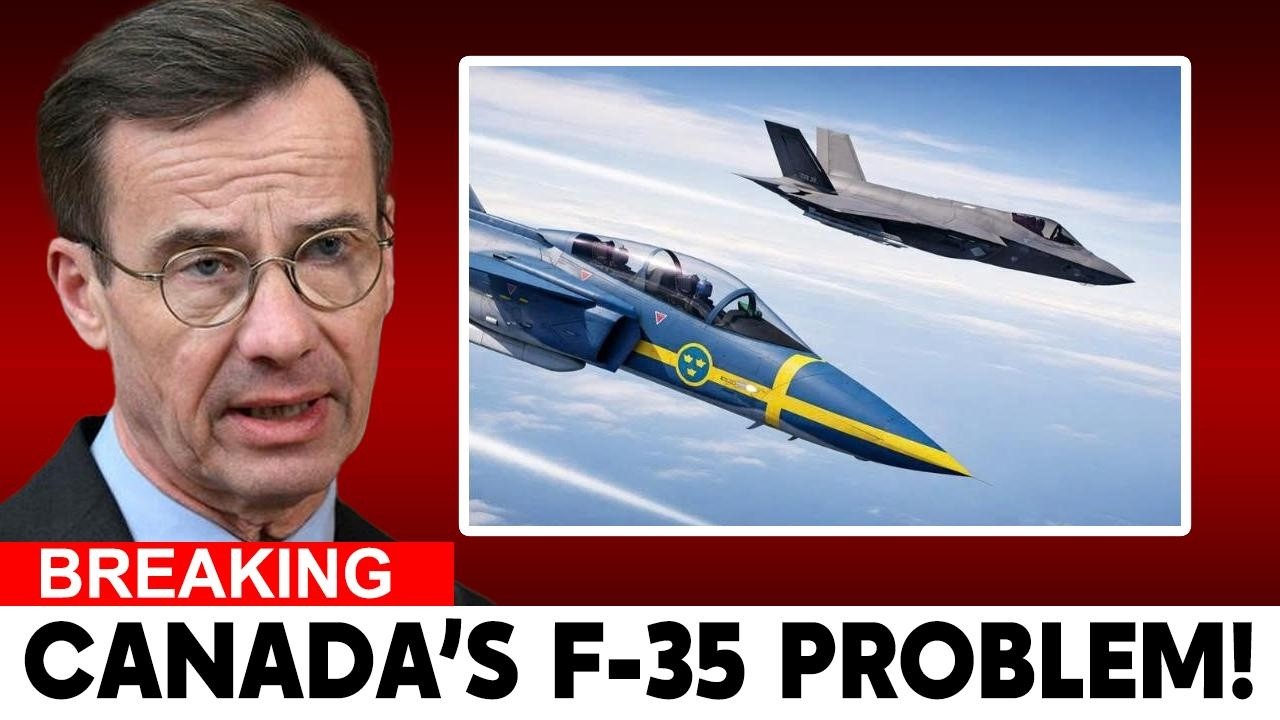
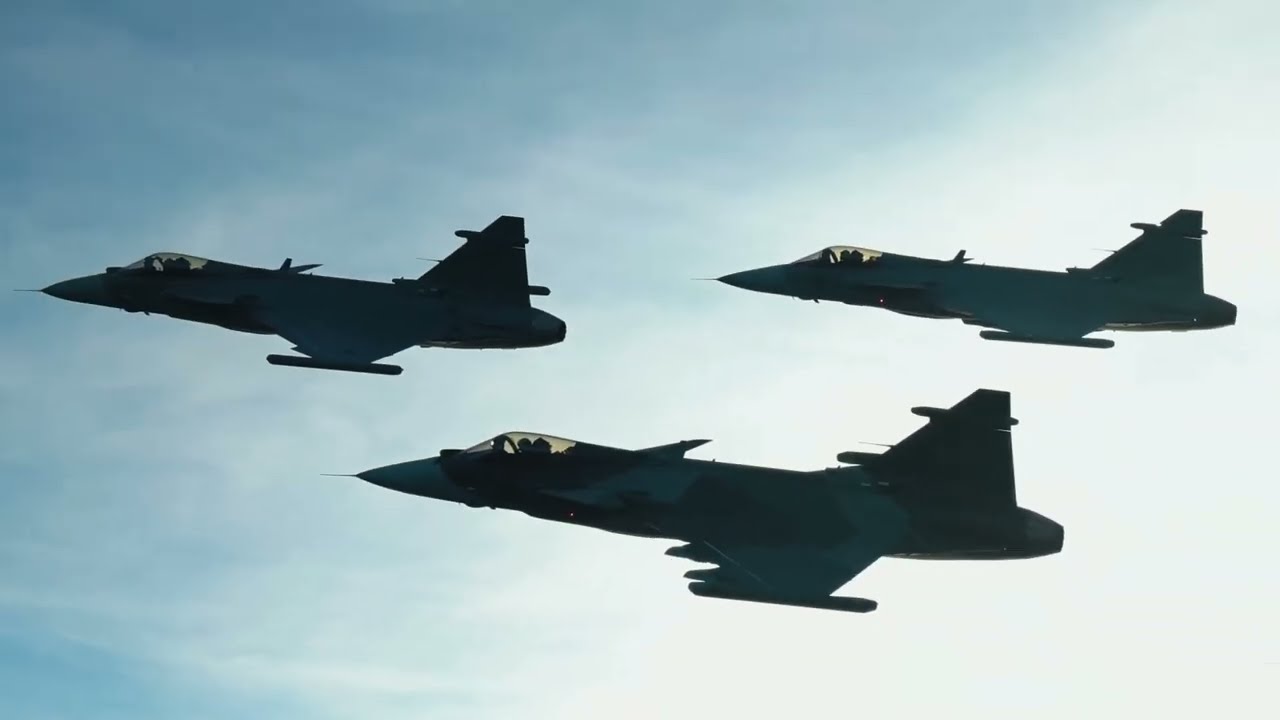
That tension has reopened the door to alternatives. Sweden’s Saab has revived its proposal centered on the Saab Gripen E, offering lower operating costs, domestic assembly, and broad technology transfer. The pitch is not just about aircraft, but about autonomy: control over software, local maintenance, and resilience through dispersed operations. For budget-conscious planners and advocates of sovereign sustainment, the appeal is obvious, even if it comes with trade-offs in interoperability with NATO’s most advanced systems.
In the end, the F-35 controversy in Switzerland and Canada is not about a single jet program failing. It is about a new reality in global defense, where advanced weapons purchases shape foreign policy as much as military capability. As technology grows more complex and centralized, the line between partnership and dependency becomes dangerously thin. Switzerland has already felt that pressure. Canada is now deciding whether unmatched capability is worth the price—not just in dollars, but in sovereignty.