Federal Judges Clash With Trump Justice Department Over Authority of Disqualified U.S. Attorney.
A federal courtroom in Northern Virginia, usually defined by procedural calm and measured exchanges, became the setting this week for a rare and revealing rupture between the judiciary and the Department of Justice. What began as a routine appearance quickly turned into a pointed rebuke, as a senior federal judge openly questioned why a disqualified prosecutor continued to appear — in name and authority — on official court filings.
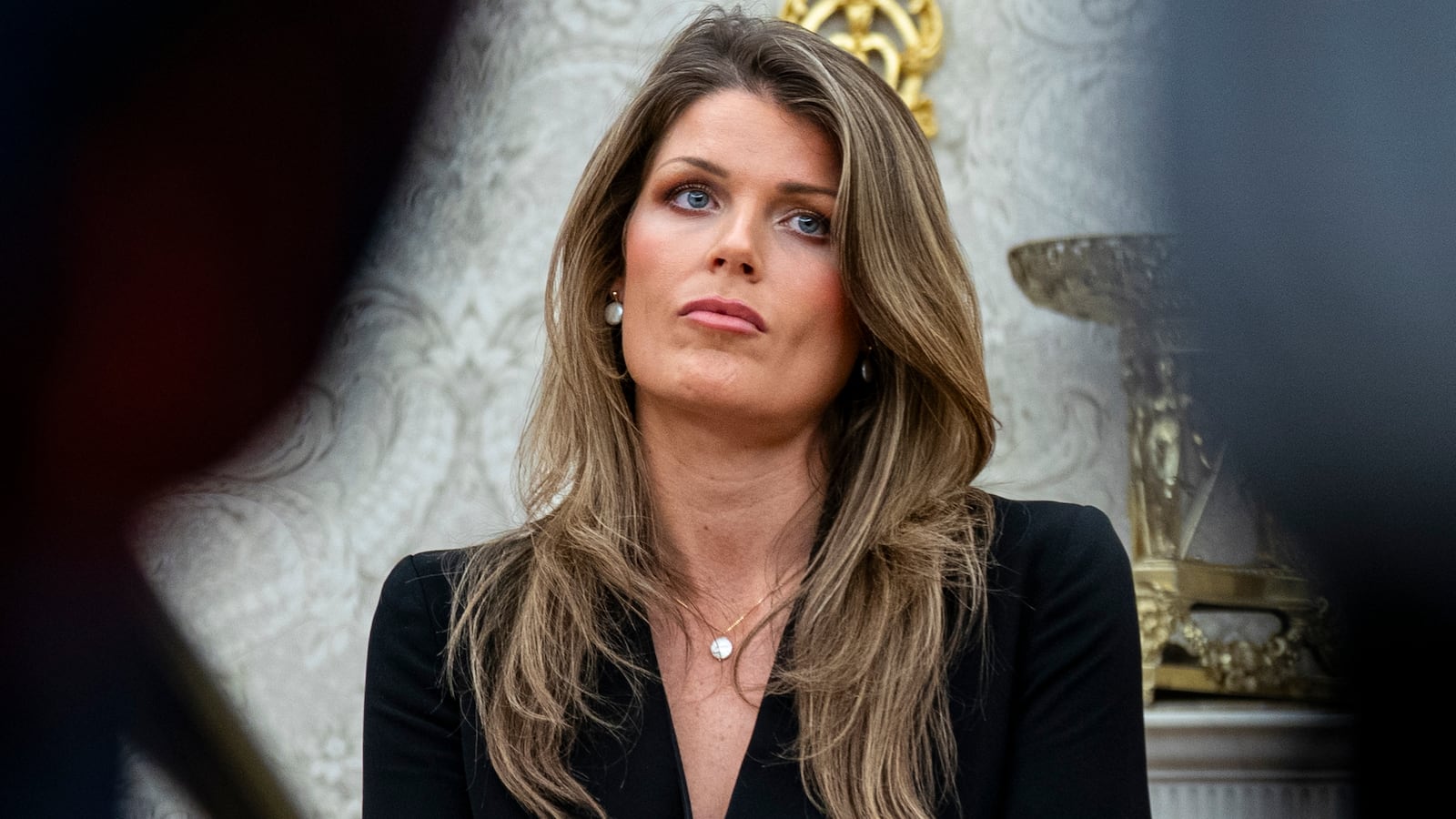
At issue was Lindsay Halligan, a lawyer aligned with President Trump who had been serving as the United States attorney for the Eastern District of Virginia under an interim appointment. The judge, visibly frustrated, asked why Halligan was still being represented as the district’s chief federal prosecutor despite earlier rulings that had stripped her of that authority. “She’s done. She’s gone,” the judge said from the bench, directing the remarks not at Halligan herself, but at line prosecutors who appeared before the court and acknowledged they had been instructed to keep her name on pleadings.
Those prosecutors, according to the exchange, said they were acting under guidance from the Justice Department’s Office of Legal Counsel. The explanation did little to satisfy the court. The judge warned that continuing to present a legally invalid authority risked contaminating not only the case at hand, but potentially dozens of unrelated prosecutions moving through one of the nation’s most consequential federal districts.
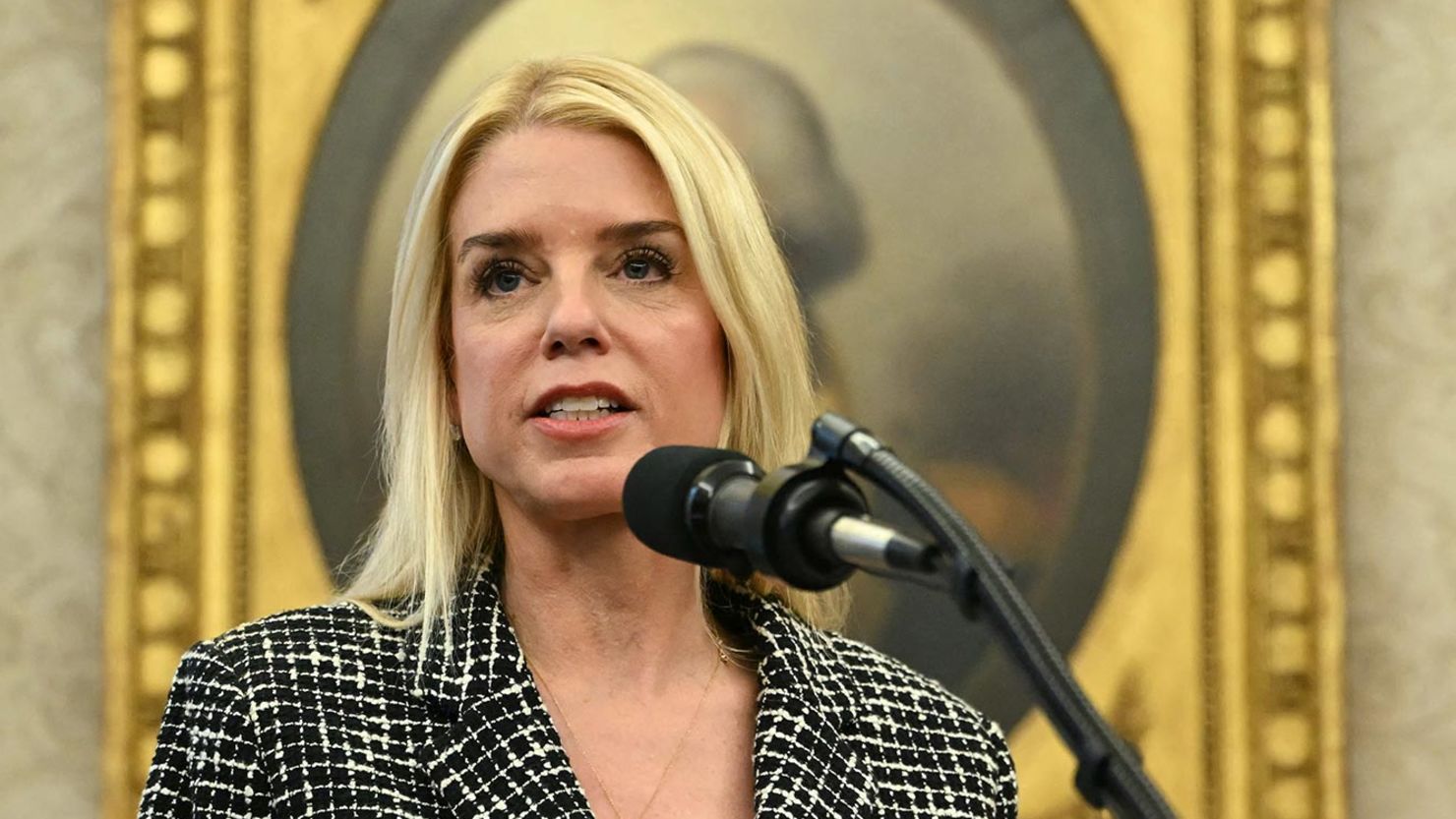
The confrontation has exposed a widening rift between federal judges and senior officials at the Justice Department, now led by Attorney General Pam Bondi. In a sharply worded statement issued soon after the hearing, Ms. Bondi and her deputy accused judges in the Eastern District of Virginia of engaging in “an unconscionable campaign of bias and hostility” toward Halligan and her staff. The statement framed the judicial pushback as political, characterizing it as “undemocratic judicial activism.”
Legal scholars and former prosecutors see the matter differently. The dispute centers on long-established constitutional and statutory rules governing the appointment of United States attorneys. Under the Constitution, such prosecutors are considered “inferior officers,” whose appointment process is set by Congress. Federal law allows a president to appoint an interim U.S. attorney for 120 days without Senate confirmation. If that term expires, district court judges may extend the appointment. If they do not, the appointee must step aside.
In this case, judges declined to extend Halligan’s term. A prior ruling also disqualified her from participating in at least one politically sensitive prosecution, concluding that her role violated basic appointment requirements. Despite that, the Justice Department continued to treat her as the district’s top prosecutor, at least on paper.
The episode echoes a similar standoff earlier this year involving Alina Habba, another Trump-aligned attorney whose interim appointment in New Jersey was rejected by the courts after exceeding statutory limits. In that case, the Third Circuit Court of Appeals ruled that her authority had lapsed, rendering actions taken under her supervision legally void. The Justice Department ultimately backed down, reassigning her while signaling it would continue to fight the ruling.
What makes the Virginia situation particularly fraught, current and former officials say, is the potential ripple effect. The Eastern District of Virginia handles a wide range of cases, from national security and defense contracting to complex financial crimes. If courts determine that indictments were overseen by someone without lawful authority, defendants could challenge convictions, seek dismissals, or force retrials.
Several judges, many of whom previously served as federal prosecutors themselves, have expressed concern not only about legal technicalities, but about institutional credibility. In courtroom remarks and written opinions, they have suggested that the Justice Department’s insistence on maintaining Halligan’s title reflects a disregard for judicial authority — and for the safeguards meant to insulate prosecutions from political pressure.
Behind the scenes, former Justice Department officials say line prosecutors are caught in the middle. They face an untenable choice between following directives from department leadership and respecting rulings from the courts before which they appear daily. That tension, some warn, risks eroding morale and weakening public confidence in an institution long viewed as a stabilizing force in American governance.
There is a straightforward path out of the impasse. President Trump could formally nominate Halligan for the position and seek Senate confirmation. With Republicans controlling the chamber, confirmation would be possible — though not guaranteed. Short of that, the department could allow a career prosecutor to serve as acting U.S. attorney until the issue is resolved. So far, it has chosen confrontation instead.
As the legal battle intensifies, judges have made clear that their patience is wearing thin. Whether the administration recalibrates or continues to press its case may determine not only the fate of one prosecutor, but the integrity of hundreds of cases now moving quietly — and precariously — through the federal courts.