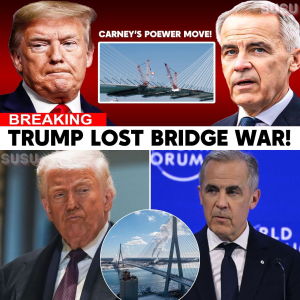
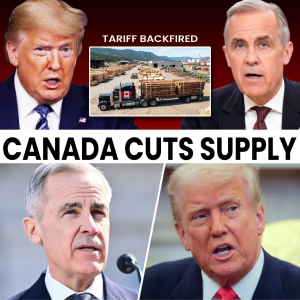
Trump tried to turn a finished $6.4B bridge into a bargaining chip—and Canada answered with receipts.
What happened next didn’t just embarrass Washington… it lit a fuse in Michigan.

A gleaming new bridge is sitting over the Detroit River, practically begging to open—six lanes of fresh steel and concrete built to unclog the busiest trade corridor between the United States and Canada.
And then Donald Trump threatened to stop it.
The target is the Gordie Howe International Bridge, the long-awaited Windsor–Detroit mega-project that has been under construction since 2018. The price tag is massive: roughly $4.7 billion USD (about $6.4 billion CAD)—and here’s the detail that makes this story explode: Canada covered the construction cost, while Michigan is set to receive 50% ownership under the cross-border agreement.
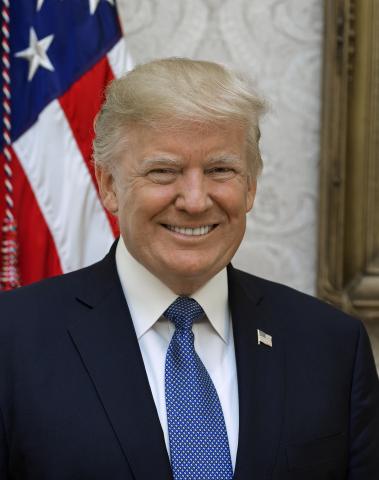
Late at night, Trump posted that he would block the bridge opening unless the U.S. is “fully compensated,” framing the project as if America had been played.
But the math—public for years—doesn’t back that up.
Within hours, Canada’s Prime Minister Mark Carney took a completely different approach from the usual online shouting match. Instead of trading posts, he called Trump directly and walked through the facts: Canada financed the bridge; ownership is shared with Michigan; and both countries supplied materials and labor.
It landed like a diplomatic mic drop.

Because while the threat sounded tough, Michigan officials and analysts immediately warned it would boomerang straight back onto American workers and businesses—especially the auto industry that depends on fast, reliable cross-border supply chains.
Then the story took a sharper turn—one that lawmakers are now circling.
A reported meeting between U.S. Commerce Secretary Howard Lutnick and Matthew Moroun—linked to the family that owns the aging, privately owned Ambassador Bridge—sparked calls for investigation. Democrats on the House Oversight Committee are seeking records and communications, raising a blunt question: Was this bridge threat about “compensation”… or about protecting a private toll empire?
The Ambassador Bridge, after all, has long dominated commercial truck traffic at this crossing. The Gordie Howe bridge threatens that dominance by adding modern capacity and a publicly structured alternative—exactly the kind of competition a monopoly hates.
And the backlash wasn’t just Canadian.
Michigan’s response turned unusually unified, unusually fast. The message from across the state was basically: If you block this bridge, you don’t punish Canada—you punish Michigan.
That unity is now turning into legislation. Representative Hillary Scholten introduced the Michigan–Canada Partnership Act, aimed at preventing federal interference with the bridge’s opening or operation—because Michigan Democrats say the deal is already set and the economic stakes are too big for last-minute political games.
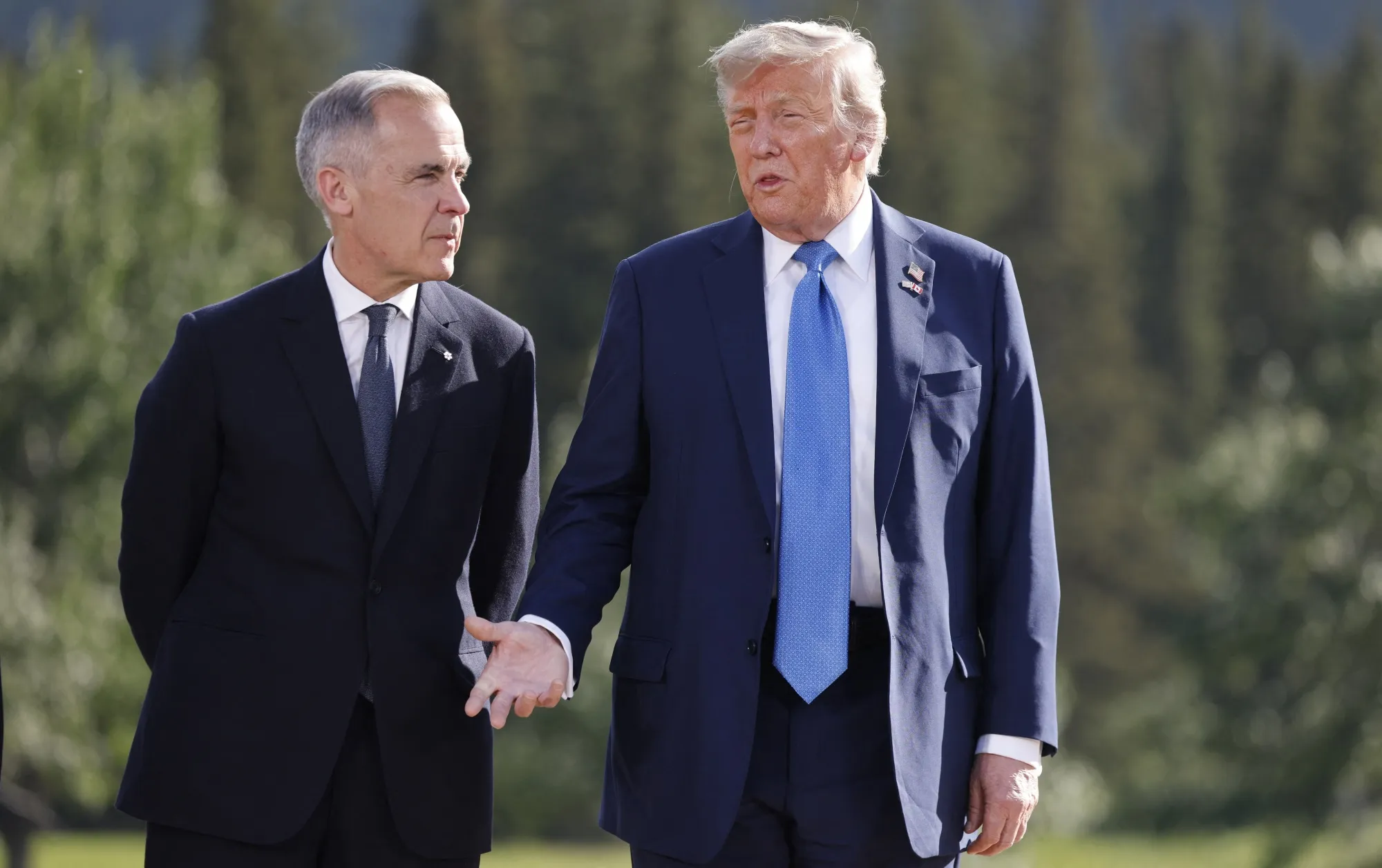
Here’s the twist that makes the whole episode feel like a political self-own: Trump previously praised the bridge as a “vital economic link” between the two countries—yet now he’s threatening to derail it right as it’s nearing the finish line.
So what does this become now?
Not just a bridge story—an influence story. A trade story. A Michigan jobs story. And a story about what happens when a major infrastructure project gets yanked into a broader U.S.–Canada dispute.
Trump aimed the threat north. Canada didn’t blink. It fact-checked him—calmly—then watched Michigan politicians and business voices pile on with a simple warning: this stunt doesn’t “win” anything. It risks jamming one of North America’s most critical economic arteries.
And in the end, the loudest question isn’t whether the bridge will open.
It’s: Who really wanted it not to?