n a speech that has detonated across Britain’s political landscape, Rupert Lowe declared that the rules of the game have changed, warning that the nation stands at a crossroads over immigration, identity, and sovereignty.
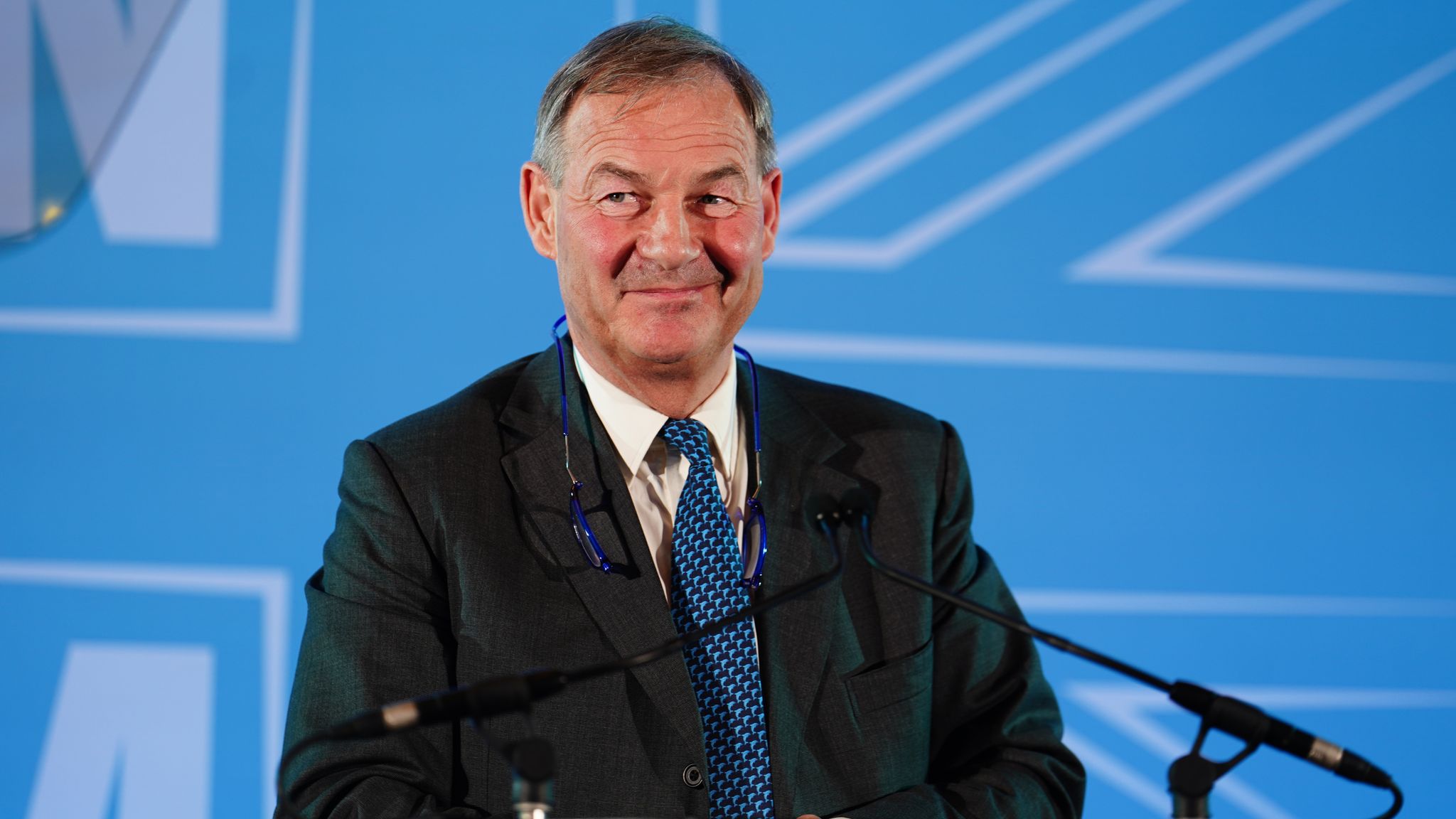
The address, delivered with stark intensity and unwavering eye contact, has ignited fierce arguments from Westminster to working class estates, forcing supporters and critics alike to confront uncomfortable questions about Britain’s future direction.
Lowe framed his message not as routine policy refinement but as what he called a manifesto for survival, insisting that decades of incremental compromise have culminated in a crisis demanding uncompromising solutions.
According to Lowe, illegal immigration is not merely an administrative failure but a structural vulnerability undermining public trust, straining services, and eroding the sense of shared national purpose binding communities together.
He pledged immediate detention and deportation for those entering unlawfully, declaring there would be no exceptions, no prolonged appeals, and no bureaucratic hesitation that allows cases to languish indefinitely.
Critics swiftly accused him of oversimplifying complex humanitarian realities, arguing that asylum law, international conventions, and due process cannot be brushed aside by rhetoric that treats migration solely as enforcement arithmetic.
Yet applause erupted from segments of the audience who believe mainstream parties have repeatedly promised control while presiding over rising net migration figures and increasingly visible integration challenges.
Lowe’s comments about English language proficiency drew particular controversy, as he asserted that refusal to learn the national language represents a rejection of integration and an abdication of civic responsibility.
Supporters argue that language is the gateway to employment, education, and social cohesion, making it reasonable to expect newcomers to embrace linguistic assimilation as a foundation for belonging.
Opponents counter that integration is a two way process requiring investment in language services, community engagement, and pathways to opportunity rather than threats of expulsion and punitive withdrawal of rights.
The most explosive segment concerned foreign criminals, where Lowe proposed immediate deportation upon sentence completion, eliminating years long appeals that critics say exploit legal loopholes and exhaust taxpayer resources.
Human rights advocates warn that such measures could clash with obligations under the European Convention on Human Rights, raising complex legal battles likely to test the boundaries of parliamentary sovereignty.
Lowe anticipated those objections, arguing that sovereignty means elected representatives must have the ultimate authority to determine who may reside within Britain’s borders.
The welfare system also featured prominently in his speech, with calls for absolute priority for natives and those who demonstrably contribute through work, taxation, or essential services.
He insisted that compassion without conditions erodes fairness, framing his proposals as a restoration of balance rather than an abandonment of humanitarian values.
Across social media platforms, short clips of the speech spread at astonishing speed, gathering millions of views and fueling heated exchanges between activists, commentators, and ordinary citizens.
Some viewers described the address as the first time a politician articulated frustrations they feel have been dismissed as unfashionable or politically inconvenient by metropolitan elites.
Others characterized the speech as a dangerous flirtation with collective blame, warning that it risks stigmatizing entire communities for the actions of a minority.
The line that reverberated most powerfully declared that Britain belongs to those who love and protect it, a phrase supporters interpret as patriotic affirmation and detractors hear as exclusionary ultimatum.
Political analysts suggest the timing is deliberate, with elections looming and voter volatility increasing amid economic uncertainty, housing shortages, and visible strain on public infrastructure.
In London, Manchester, and smaller towns alike, street interviews reveal a country divided between those demanding firmer borders and those fearful of moral retreat from longstanding humanitarian commitments.
Business leaders have cautiously noted that sectors from healthcare to agriculture rely significantly on migrant labor, complicating any policy shift that sharply curtails inflows.
Lowe addressed that concern by distinguishing between controlled legal migration and illegal entry, though critics argue the distinction blurs in practice amid bureaucratic backlog and enforcement limitations.
The phrase reimmigration surfaced in his roadmap, described as facilitating the voluntary return of individuals unwilling to integrate, a concept immediately contested by scholars as ethically fraught.
Community organizations warn that rhetoric implying cultural incompatibility can embolden discrimination, even when framed as administrative reform rather than ethnic judgment.
Lowe maintains that the true injustice lies in allowing uncontrolled migration to undermine wages, overwhelm housing supply, and erode public confidence in democratic institutions.
He repeatedly emphasized fairness to law abiding migrants who complied with legal processes, arguing that lax enforcement disrespects those who followed the rules and waited patiently.
A tense exchange with a reporter over humanity crystallized the evening’s drama, as Lowe responded tersely that humanity without order is chaos, a remark that plunged the studio into momentary silence.
That seven word retort has since been dissected frame by frame online, with supporters praising its clarity and critics condemning its perceived coldness toward vulnerable individuals.
Major broadcasters have debated how extensively to replay the clip, balancing public interest against concerns that incendiary rhetoric can inflame social tensions.
Legal experts caution that implementing mass deportations requires substantial resources, detention capacity, diplomatic agreements, and judicial safeguards to avoid wrongful removals.
Supporters argue that logistical difficulty should not paralyze policy ambition, insisting that political will can overcome bureaucratic inertia if leaders truly prioritize enforcement.
Opposition parties have condemned the speech as performative populism, accusing Lowe of weaponizing anxiety rather than proposing workable, costed legislative drafts.
Lowe rejects that critique, pointing to draft proposals his team claims are prepared for introduction should parliamentary arithmetic permit advancement.
Public opinion polls in the immediate aftermath suggest a surge of interest in immigration as the top voter concern, though attitudes remain sharply polarized along generational and regional lines.
Younger urban voters tend to express greater comfort with multiculturalism, while older and rural respondents often emphasize border control and cultural continuity as paramount priorities.
The clash reflects broader Western debates where governments struggle to reconcile economic interdependence with demands for national control and community cohesion.
Faith leaders have called for calm dialogue, urging politicians to temper language that may deepen suspicion between neighbors who share workplaces, schools, and public spaces.
Lowe insists that clarity is not cruelty, arguing that predictable enforcement reduces resentment by replacing ambiguity with firm, universally understood standards.
Civil society groups warn that phrases like blacklist or first hundred thousand risk dehumanizing individuals whose circumstances vary widely and require case by case assessment.
As Parliament prepares for renewed debate, lawmakers face the daunting task of balancing electoral responsiveness with constitutional constraints and international commitments.
Whatever the legislative outcome, the psychological shift may already be underway, as millions confront the possibility that Britain’s immigration consensus is fracturing irreversibly.
Whether Rupert Lowe’s declaration marks pragmatic recalibration or perilous escalation will depend not only on policy detail but on how responsibly the national conversation evolves from here.

For now, England holds its breath, suspended between competing visions of justice, compassion, sovereignty, and survival, as the rules of the game are argued over in full public view.