World Cup 2026 Faces a Test of Trust as Boycott Talk Gains Traction
The 2026 World Cup was envisioned as a triumphant return — a sprawling, three-nation celebration that would reaffirm North America’s place at the center of global sport. Hosted jointly by the United States, Canada and Mexico, the tournament is set to be the largest in history, expanded to 48 teams and dozens of cities. For the United States, it was also meant to be a showcase moment: a demonstration of organizational might, cultural magnetism and renewed global leadership.
Instead, more than a year before kickoff, a different storyline has begun to take shape. Across social media platforms and in opinion columns abroad, calls for a boycott — or at least for caution — are growing louder. What was designed as a festival of unity is increasingly being refracted through the lens of immigration policy, border enforcement and political anxiety.
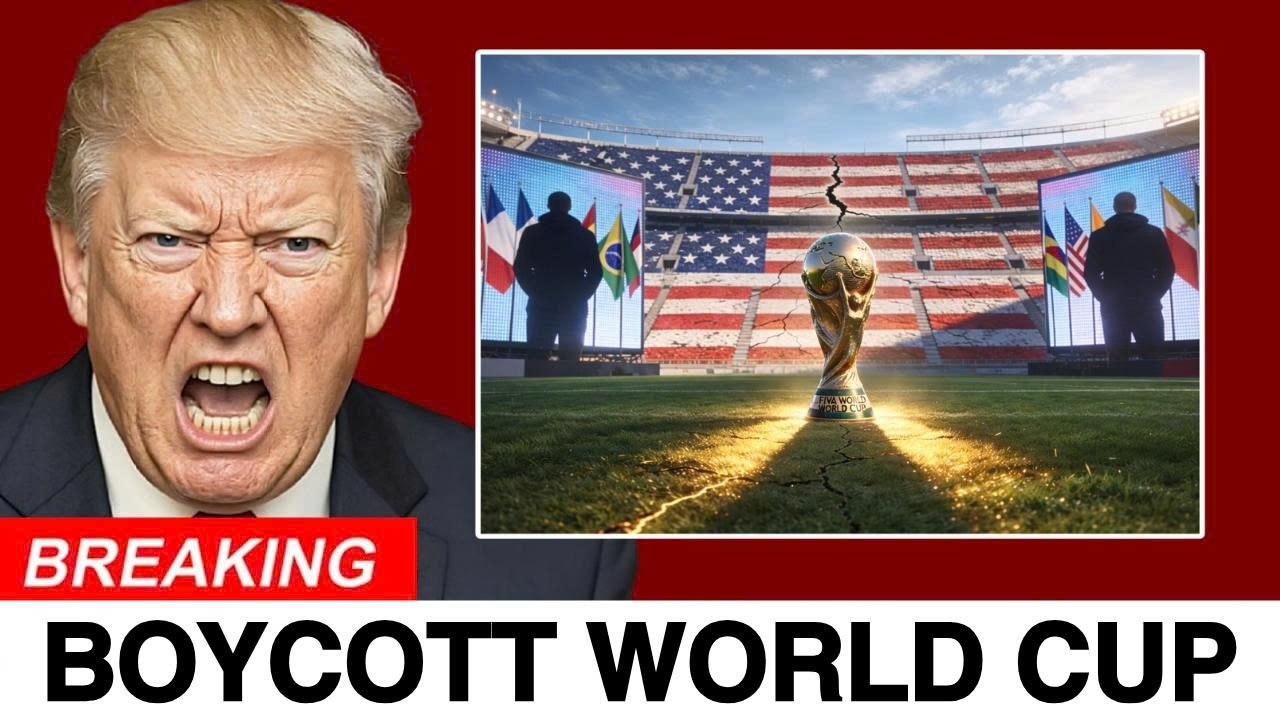
The tournament, formally known as the 2026 FIFA World Cup, will mark the first time three countries share hosting duties. It will also be the first World Cup held in the United States since 1994, a tournament widely credited with accelerating the growth of soccer domestically. Organizers projected billions in economic impact and anticipated millions of visitors from Europe, Africa, Asia and Latin America.
Yet some of those potential visitors now express hesitation.
In recent years, the United States has tightened aspects of its visa process, citing security and administrative priorities. Processing times in certain regions have lengthened. Documentation requirements have become more exacting. For international fans contemplating a costly, once-in-a-lifetime journey, even modest uncertainty can loom large.
Human rights organizations, including Amnesty International and Human Rights Watch, have argued that any perception of discriminatory barriers — whether based on nationality, religion or region — undermines the spirit of a tournament built on global inclusion. They have urged host governments to ensure transparent and equitable entry policies during the event.
Online, anecdotal accounts travel quickly. A rejected visa here, a prolonged airport inspection there — not every story is independently verified, but in the digital age perception often moves faster than proof. As those stories accumulate, they contribute to a broader sense of unease.
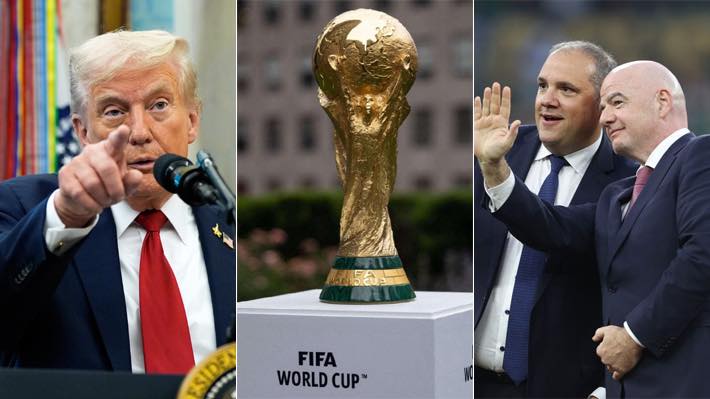
Even symbolic gestures have amplified the conversation. Sepp Blatter, the former FIFA president who once championed expanding the game’s footprint in North America, recently suggested that fans weigh their travel decisions carefully. Though he no longer holds official authority, his comments reverberated in European sports circles.
FIFA itself has maintained public silence on the boycott debate. The governing body, FIFA, continues logistical preparations: match schedules are being refined, host cities are coordinating infrastructure, and ticketing frameworks are under development. Behind the scenes, according to several reports, officials are monitoring public sentiment closely.
The economic stakes are considerable. Analysts have estimated that the U.S. portion of the tournament could generate as much as $5 billion in direct and indirect activity. Cities like Dallas, Atlanta and Miami are investing heavily in stadium upgrades, transit improvements and hospitality expansions. Sponsors — from global airlines to financial services firms — have committed vast marketing budgets, anticipating full stadiums and worldwide television audiences.
A sustained drop in international attendance would ripple outward. Hotels, restaurants and temporary event workers depend on visitor surges. Corporate partners calibrate advertising campaigns based on projected foot traffic. Even partial underperformance could temper expected returns.
Notably, some multinational sponsors are said to be diversifying their focus, emphasizing activations in Canada and Mexico as well as in the United States. The tournament may be trilateral, but reputational risk is not evenly distributed.
North of the border, Canadian officials have emphasized predictability and clarity in their visa procedures. Southward, Mexico’s deep soccer culture and experience hosting previous tournaments — including matches at the iconic Estadio Azteca — have bolstered its appeal among international supporters. For some fans, the decision about where to attend matches is becoming as much about perceived welcome as about competitive matchups.
The broader question extends beyond stadium attendance. Global sporting events function as exercises in soft power — opportunities for nations to project openness, competence and cultural vitality. In an era when geopolitical tensions surface quickly online, that projection is fragile.
The Olympics and World Cups have long intersected with politics. Boycotts marked the Cold War era; controversies have surrounded hosts from Russia to Qatar. But 2026 unfolds in a hyperconnected environment where every airport interaction and policy shift can circulate instantly, shaping international opinion in real time.
None of this guarantees that stadiums will sit empty or that the tournament’s center of gravity will migrate north or south. The World Cup’s appeal remains formidable. Soccer’s global audience is measured in billions. For many fans, the lure of witnessing history will outweigh bureaucratic obstacles.
Still, the emerging debate underscores a central reality: trust is an economic asset and a diplomatic one. Hosting the world requires not only infrastructure and investment, but also confidence that visitors will be received fairly and safely.
As preparations continue, the challenge for organizers is less about match schedules than about perception. In 2026, the games will begin on the field. But long before the opening whistle, the contest over credibility may already be underway.