John Oliver Weighs in on the Shocking Cancellation of Stephen Colbert’s Show
The recent cancellation of The Late Show with Stephen Colbert has sent ripples through the comedy and late-night television landscape, leaving fans, industry insiders, and fellow comedians reeling from the unexpected news. Among those voicing their reactions is John Oliver, the sharp-witted host of Last Week Tonight, who expressed a mix of personal sadness and professional curiosity about the abrupt end of his friend and fellow comedian’s long-running show. Speaking at a recent event, Oliver shared his conflicted emotions, stating, “I’m partly excited to see what they’re going to do for the next 10 months, but yeah, it’s terrible, terrible news for the world of comedy. I love Stephen, I love his staff. I love that show. It’s incredibly sad.” His words capture the bittersweet reality of a significant chapter in late-night television coming to a close, while also hinting at the uncertainty and potential for reinvention that lies ahead.
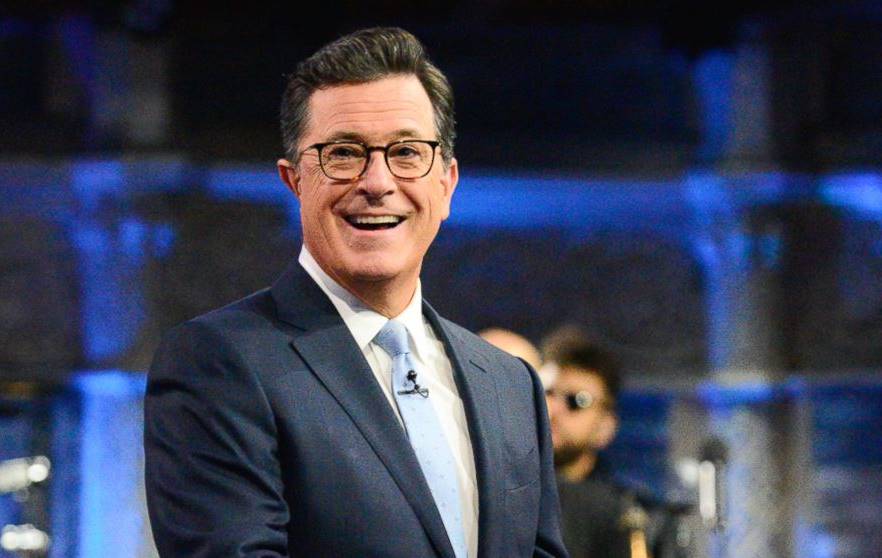
Stephen Colbert, a titan of late-night comedy, has been a fixture on CBS since taking over The Late Show in 2015, following in the footsteps of legendary host David Letterman. With his razor-sharp humor, incisive political commentary, and affable charm, Colbert carved out a unique space in the crowded late-night arena, blending satire with heartfelt moments that resonated with audiences. His show became a platform for both entertainment and cultural critique, tackling everything from political scandals to social issues with a signature blend of wit and sincerity. For John Oliver, whose own show thrives on a similar mix of humor and hard-hitting journalism, the cancellation of The Late Show is not just a professional loss but a personal one, given his longstanding friendship with Colbert and their shared history in the comedy world, both having risen through the ranks at The Daily Show under Jon Stewart.
The announcement of the cancellation, which caught many by surprise, has sparked widespread speculation about the reasons behind CBS’s decision. While no official explanation has been confirmed, industry observers point to the evolving nature of late-night television as a potential factor. The rise of streaming platforms, changing viewer habits, and the proliferation of digital content have put pressure on traditional broadcast networks to adapt. Late-night shows, once a cornerstone of network programming, now compete with YouTube clips, podcasts, and social media content that offer immediate, on-demand entertainment. For a show like Colbert’s, which relied on a mix of live studio audiences and high-profile celebrity interviews, these shifts may have posed challenges in maintaining viewership and relevance in an increasingly fragmented media landscape.

John Oliver’s reaction reflects the duality of this moment in television history. His excitement about “what they’re going to do for the next 10 months” suggests an optimism about Colbert’s next steps, as well as the potential for the comedian and his team to pivot to new projects or platforms. Colbert, known for his versatility, has a track record of reinventing himself—from his days as a satirical “correspondent” on The Daily Show to his creation of the iconic Stephen Colbert character on The Colbert Report. This history fuels speculation that he could explore opportunities in streaming, podcasting, or even a return to more scripted comedy. Oliver’s enthusiasm is tempered, however, by his acknowledgment of the loss to the comedy world. The Late Show was more than just a platform for Colbert’s humor; it was a creative hub for a talented staff of writers, producers, and performers, many of whom now face an uncertain future.
The personal connection between Oliver and Colbert adds depth to the former’s remarks. Both comedians share a comedic sensibility rooted in sharp political commentary and a commitment to using humor as a lens for truth. Their friendship, forged during their time at The Daily Show, has endured through their respective rises to prominence, with Oliver often citing Colbert as an influence and a collaborator. The cancellation of The Late Show not only marks the end of a beloved program but also disrupts a cultural institution that provided a nightly space for laughter, reflection, and dialogue. Oliver’s love for Colbert’s staff underscores the human toll of the decision, as dozens of talented professionals now navigate the fallout of the show’s abrupt end.
The broader implications of this cancellation extend beyond Colbert and his team. Late-night television has been a proving ground for comedians and a cultural touchstone for decades, but its relevance is increasingly questioned in an era dominated by digital media. Shows like The Tonight Show and Jimmy Kimmel Live! continue to thrive, but they too face pressures to innovate. Oliver’s Last Week Tonight, with its weekly format and deep-dive segments, has arguably been better positioned to adapt to modern viewing habits, as its content is easily shareable and less reliant on daily broadcasts. Colbert’s show, by contrast, adhered to a more traditional late-night structure, which may have made it more vulnerable to network cost-cutting or strategic shifts.
For fans, the cancellation is a gut punch. The Late Show offered a unique blend of humor and heart, with Colbert’s monologues often serving as a cathartic outlet for viewers navigating turbulent political and social times. His interviews, marked by genuine curiosity and warmth, brought out memorable moments from guests ranging from Hollywood stars to world leaders. The loss of this platform leaves a void in late-night television, one that competitors will undoubtedly seek to fill but may struggle to replicate.
As the comedy world processes this news, John Oliver’s words encapsulate the complex emotions surrounding the end of The Late Show. His excitement for what lies ahead for Colbert and his team is tempered by the undeniable sadness of losing a show that was a beacon of wit and wisdom. The next 10 months will be a period of transition, not just for Colbert and his staff but for the broader late-night landscape. Whether Colbert returns with a new show, ventures into a different medium, or takes time to regroup, his influence on comedy and culture is indelible. For now, fans and friends like Oliver can only mourn the loss of The Late Show while eagerly awaiting the next chapter in Stephen Colbert’s storied career.