A Holiday Shock for Veterans, and a Familiar Reckoning for Washington
In the final days before Christmas, as politicians posed with wreaths and delivered well-worn tributes to military service, a quieter announcement rippled through the Department of Veterans Affairs — and then detonated. Internal memos, later reported by The Washington Post, revealed plans to eliminate tens of thousands of health care positions across the VA system, most of them currently unfilled but nonetheless essential to an agency already stretched thin. What might have been framed as bureaucratic “reorganization” quickly took on a more charged meaning: a holiday-season rupture between rhetoric and reality, with America’s veterans caught squarely in the middle.
The cuts, which could ultimately reduce the VA’s health care workforce by roughly 10 percent, come on the heels of months of attrition, buyouts, and hiring freezes. Nearly 30,000 employees have already left the agency this year. The new plan would cancel as many as 26,000 open positions — doctors, nurses, mental health professionals, and support staff — even as wait times for care continue to grow in many regions. In San Diego, internal emails warned that veterans seeking mental health services are already waiting two to three months for appointments. Reinforcements, staff were told, are no longer coming.
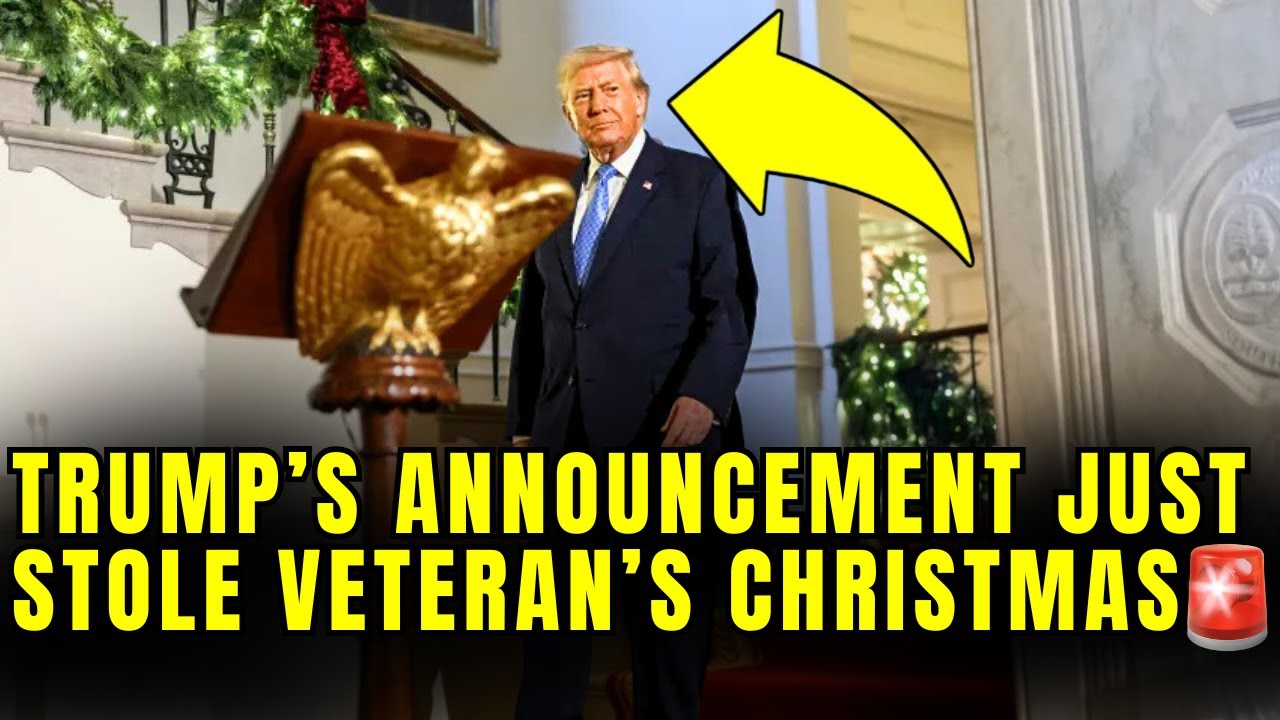
For President Donald Trump, the episode reopened a long-running and deeply emotional fault line in American politics: his relationship with veterans and the institutions that serve them. Mr. Trump has often styled himself as a champion of the military, presiding over parades, signing executive orders flanked by uniformed service members, and promising to “take care of our vets.” But critics point to a pattern that tells a different story — one marked by flippant remarks about military service, public disparagement of decorated veterans, and now, they argue, policies that threaten the backbone of veterans’ care.
Those past comments resurfaced almost immediately. Old audio clips circulated again online, including Mr. Trump comparing dating to serving in Vietnam, mocking prisoners of war, and casually boasting about receiving a Purple Heart as a gift. In isolation, they had once been dismissed by supporters as crude humor or media exaggeration. In the context of the VA cuts, they took on renewed weight. Social media reaction was swift and unforgiving, with veterans’ groups and health care advocates accusing the administration of symbolic patriotism paired with substantive neglect.
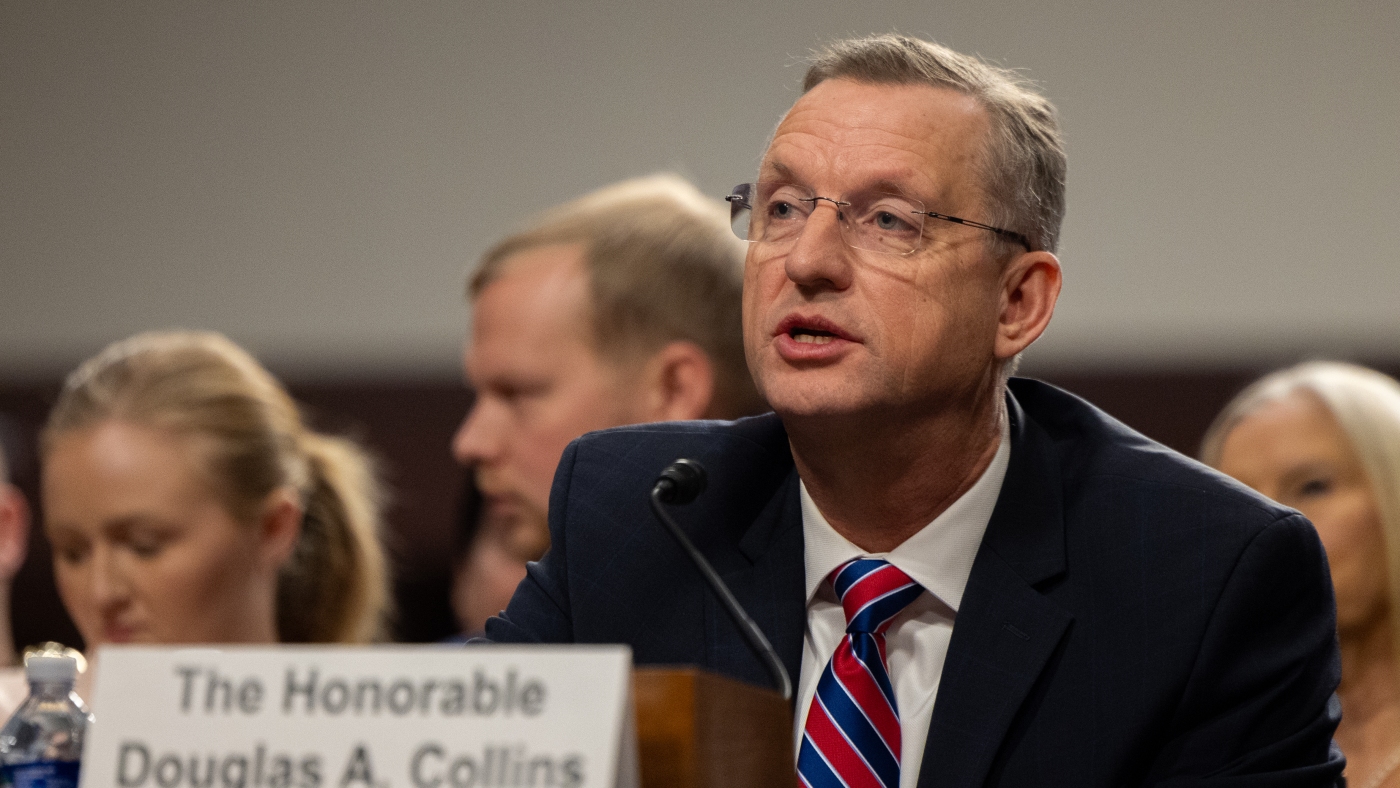
Administration officials insist the story is more complicated. Veterans Affairs Secretary Douglas A. Collins has argued that the VA has grown top-heavy, burdened by administrative layers that siphon resources away from direct patient care. The cuts, his office says, target unnecessary or duplicative roles and are designed to redirect funding toward mission-critical services. A VA spokesman emphasized that suicide prevention programs are protected and that Congress has imposed guardrails on staffing reductions as part of recent budget negotiations.
Yet the distinction between “administrative” and “clinical” staffing is blurrier on the ground than it appears on organizational charts. Union representatives say they were not consulted about the cuts and warn that eliminating open positions still has real consequences. Unfilled jobs, they argue, are unfilled precisely because budgets and approvals lag behind demand — not because the need is imaginary. Cancel those positions, and the bottleneck becomes permanent.
This tension played out vividly at rallies outside VA hospitals, where nurses stood alongside veterans and lawmakers, warning that fewer staff inevitably means longer waits and reduced care. Senator Dick Durbin of Illinois called the proposed reductions “disabling” to a system that millions of veterans rely on. For many protesters, the timing — just weeks after lawmakers allocated more than $130 billion in VA funding — felt especially jarring.
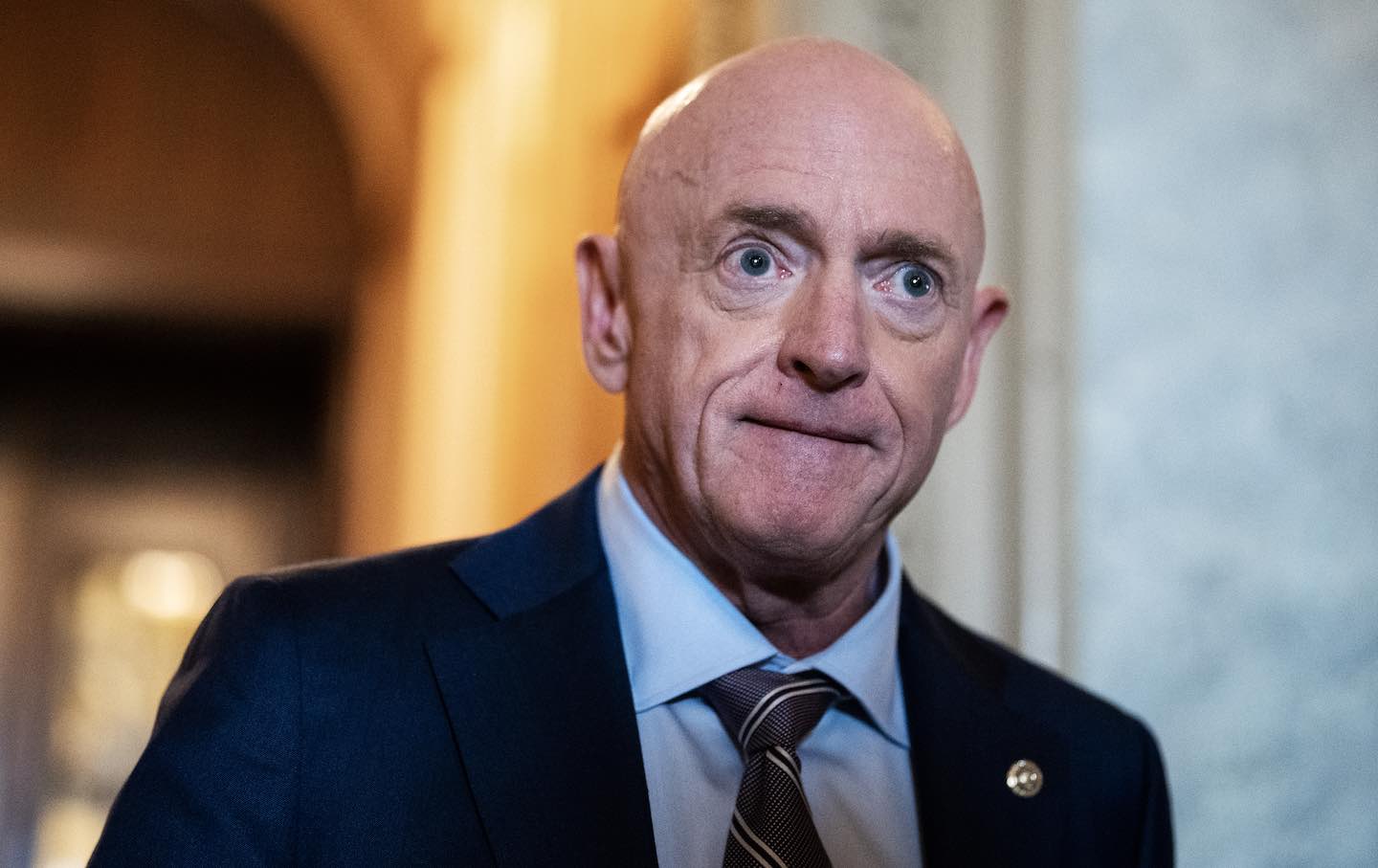
The political stakes escalated further as the controversy collided with another flashpoint: Senator Mark Kelly of Arizona, a Navy combat veteran and former astronaut, who publicly challenged the administration’s stance on military ethics and unlawful orders. When administration allies reportedly floated the idea of punitive action against him, it only deepened the sense of a widening rift between the White House and parts of the military community. Mr. Kelly’s service record — 25 years in uniform and combat missions under fire — stood in stark contrast to the accusations leveled against him, and the episode reinforced a narrative of confrontation rather than conciliation.
None of this unfolds in a vacuum. Veterans’ health care has long been a political third rail, capable of uniting bipartisan outrage and grassroots activism. What makes this moment distinct is its convergence of policy, history, and symbolism. The cuts may be technical, spread across spreadsheets and memos, but their meaning has been amplified by years of unresolved debate about how — and whether — America truly honors those who served once the uniforms come off.
As the holiday season continues, the practical effects of the VA’s plans remain uncertain. Congressional oversight is increasing, internal resistance is growing, and public scrutiny shows no sign of fading. What is clear is that a story initially buried in bureaucratic language has escaped into the broader political bloodstream, carrying with it anger, memory, and mistrust.
In Washington, where words of gratitude flow easily and consequences arrive more slowly, the veterans affected by these decisions are left waiting — for care, for clarity, and for proof that the promises made to them still mean something.