The headline figures are striking. A $4 billion over-the-horizon radar system from Australia, the largest defense export in Australian history. A $2.6 billion uranium supply agreement with India running through 2035. An additional $5.5 billion in trade arrangements spanning energy, critical minerals and infrastructure. Together, they represent more than commercial transactions. They signal a recalibration of alliances.
At the center of the shift is a radar system capable of detecting ships, aircraft and missiles up to 3,000 kilometers away by bouncing signals off the ionosphere. Unlike conventional radar limited by the Earth’s curvature, this technology extends surveillance deep into ocean and airspace. Australia has operated variations of it for decades, covering vast stretches of maritime territory. Canada now plans to deploy the system across its Arctic frontier, replacing the aging North Warning System designed during the Cold War to track Soviet bombers.
The Arctic investment includes hundreds of millions of dollars in permanent military infrastructure — airstrips, logistics hubs and year-round forces. It reflects Ottawa’s assessment that emerging threats, including hypersonic weapons and expanded polar navigation routes, demand new capabilities. Defense officials describe the project as generational in scope. Systems of this complexity take years to construct and even longer to integrate into continental security architecture.
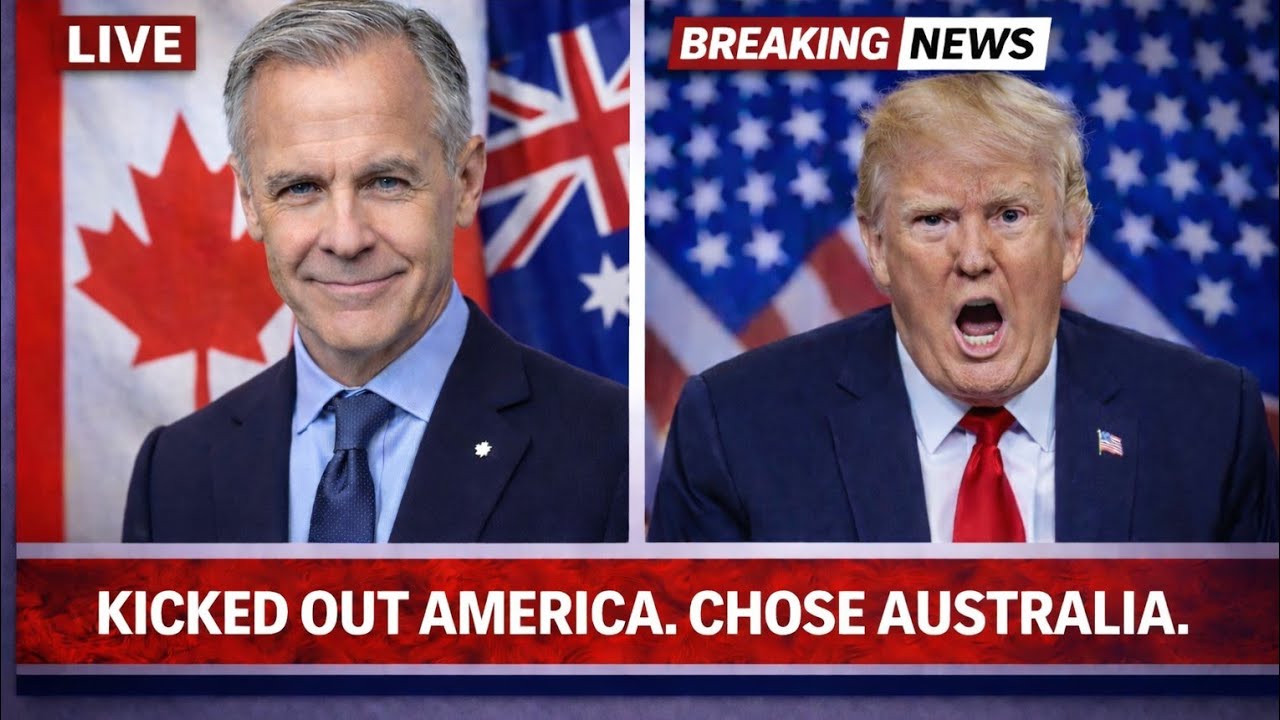
What gives the deal added resonance is diplomatic timing. The United States had been widely viewed as the likely first buyer of the radar. Australian officials were reportedly preparing discussions with Washington before Ottawa accelerated negotiations and secured the contract. In strategic terms, Canada moved decisively into a space traditionally dominated by its southern neighbor.
Tensions between Washington and Canberra have complicated the backdrop. During an October 2025 meeting at the White House, President Donald Trump publicly criticized Australia’s ambassador to the United States, Kevin Rudd, reviving past remarks in which Rudd had described Trump in harsh terms. The exchange, broadcast widely, underscored strains that later deepened with the imposition of tariffs on Australian steel, aluminum and automobiles. Requests for exemptions were denied.
Against that atmosphere, Canberra’s alignment with Ottawa has appeared increasingly deliberate. Prime Minister Anthony Albanese invited Carney to address Australia’s Parliament — the first Canadian leader to do so in nearly two decades — signaling a willingness to expand bilateral ties beyond traditional defense cooperation into energy and critical minerals.
Carney’s earlier stop in India illustrated a similar pragmatism. Relations between Ottawa and New Delhi had been severely strained after Canada accused Indian agents of involvement in a killing on Canadian soil, allegations India denied. Diplomatic expulsions followed. Yet in Mumbai and New Delhi, Carney met with Prime Minister Narendra Modi and announced a restoration of high-level engagement. The uranium agreement, valued at $2.6 billion and extending from 2027 to 2035, anchors that reset. Both sides pledged to double bilateral trade to $70 billion annually by 2030 and to pursue a comprehensive free trade agreement, with a target announcement at the G20 summit later this year.
For Canada, uranium exports from Saskatchewan to India’s expanding nuclear sector represent long-term market stability. For India, diversification of fuel sources strengthens energy security at a time of rapid economic growth. Neither arrangement relies directly on American mediation.
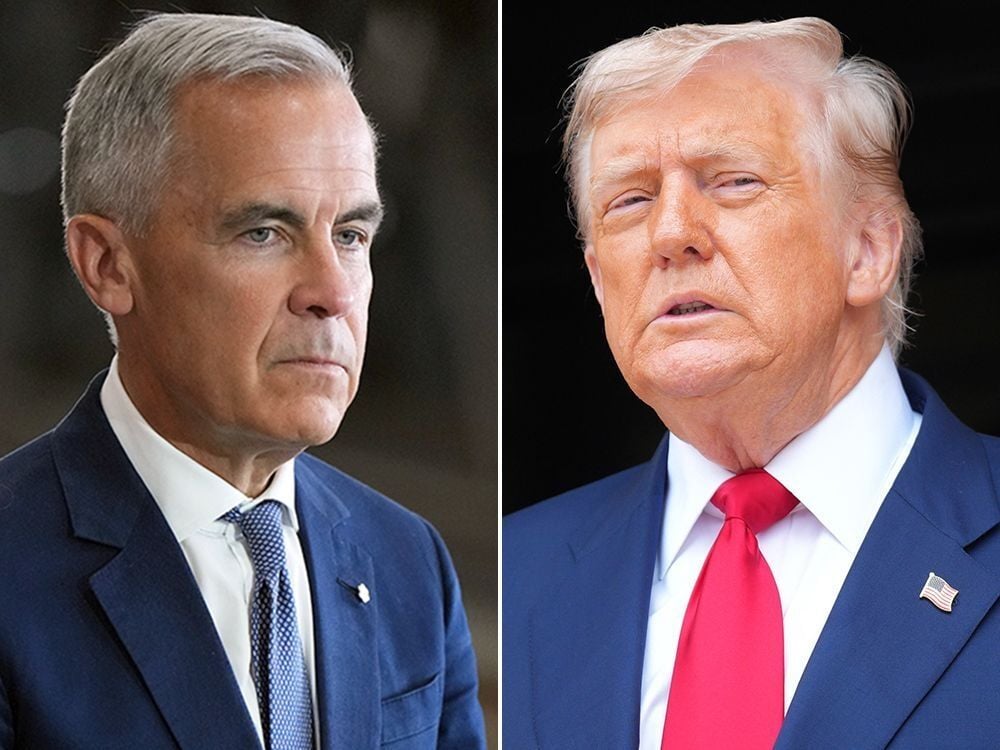
Carney framed the broader approach in January at the World Economic Forum in Davos, arguing that the U.S.-led global order had entered a period of rupture rather than gradual transition. The remark drew attention not for its rhetoric but for its timing. Within days, Australian officials publicly echoed aspects of his view, emphasizing the need for resilient supply chains and diversified partnerships.
The structural implications are significant. Defense contracts of this scale generate industrial ecosystems that persist for decades. Uranium supply agreements bind utilities and regulators across multiple electoral cycles. Critical mineral partnerships — lithium, cobalt and rare earths — underpin the manufacturing of batteries, semiconductors and advanced weapons systems. Once supply chains are rerouted, they seldom revert without major disruption.
None of this suggests an abrupt severing of U.S.-Canadian ties. The two economies remain deeply integrated, and defense cooperation through NORAD continues. But the pattern now emerging indicates a Canada less willing to anchor its strategic planning exclusively to Washington’s orbit.
Markets adjust incrementally until they do so decisively. Alliances evolve in similar fashion. In less than two weeks, Canada has signaled that its future partnerships will be distributed across regions rather than concentrated along a single axis. Whether that recalibration proves durable will depend on political continuity in Ottawa and Canberra — and on whether Washington seeks confrontation or accommodation.
For now, the message from Ottawa appears clear: diversification is no longer a hedge. It is policy.