World Cup 2026 Faces Political Crosswinds as Boycott Talk Emerges
The countdown to the 2026 FIFA World Cup has begun, but instead of anticipation alone, the world’s largest sporting event now finds itself caught in a widening political storm.
Scheduled to begin in just five months, the tournament was designed to mark a historic milestone for international football. For the first time, 48 national teams will compete across 104 matches in three host nations: the United States, Canada and Mexico. It was intended to symbolize the global reach of the sport and the cooperative spirit of North America.
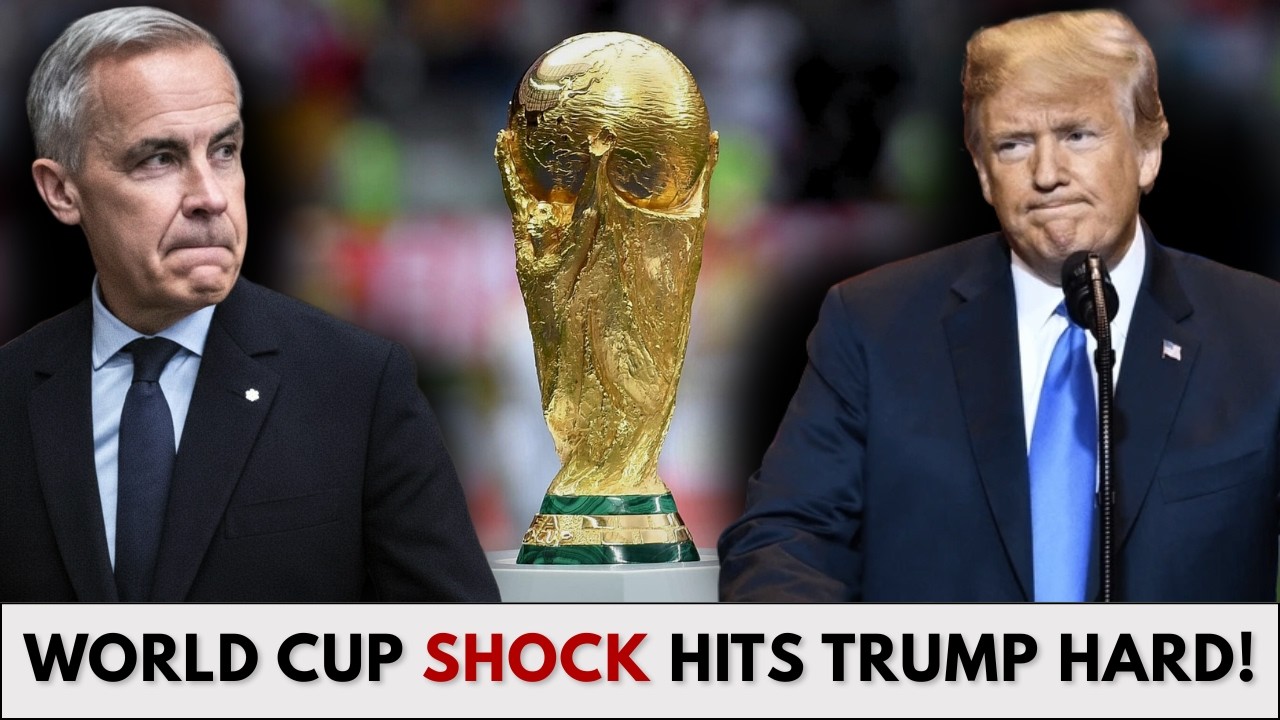
Instead, the World Cup is becoming entangled in a broader debate about politics, immigration and the role of global sport in an increasingly polarized world.
Across Europe, discussions that once lived primarily in opinion columns and activist circles are beginning to appear in formal political settings. In the Netherlands, more than 150,000 people have signed a petition urging their national team to withdraw from the tournament. In Germany, some members of the Christian Democratic Union have publicly questioned whether participation would send the wrong signal at a moment of rising diplomatic tension.
In Britain, several members of Parliament have called on the national teams of England and Scotland to reconsider their involvement. In France, political figures have floated the possibility — however remote — of shifting some hosting responsibilities away from the United States.
These discussions remain far from official policy. Yet their emergence reflects a broader unease that has grown as the tournament approaches.
At the center of the debate are concerns over immigration and travel policies in the United States. Critics argue that tighter visa scrutiny and stricter enforcement measures could create barriers for fans traveling from parts of Africa, Asia and the Middle East. Supporters of the policies say they reflect legitimate security priorities.
For many football supporters, however, the World Cup represents something larger than the matches themselves. It is a rare gathering of cultures and communities, where fans travel thousands of miles to celebrate a shared passion. Families save for years to attend a single game. Migrant communities see the tournament as an opportunity to wave their national flags in a distant homeland.
The fear among some critics is that uncertainty around travel access could undermine the sense of global openness that has traditionally defined the event.

Immigration policy, however, is only one part of the wider context shaping the conversation.
Geopolitical tensions have also drawn attention in recent months. Statements from Washington about trade disputes with European allies, renewed rhetoric concerning territorial ambitions, and a controversial military operation in Venezuela earlier this year have fueled debate about the political climate surrounding the tournament.
In January, the United States launched an operation that resulted in the capture of Venezuelan leader Nicolás Maduro, who was subsequently transported to New York to face legal proceedings. The move was hailed by some as decisive action against an authoritarian government and criticized by others as a troubling precedent in international law.
The timing of the operation — months before the opening match of the World Cup — intensified global scrutiny of American leadership at a moment when the country is preparing to host the world.
The intersection of politics and sport became even more visible last year when the White House announced the creation of a federal task force to oversee preparations for the tournament. President Donald Trump was named chair, with Vice President J. D. Vance serving as vice chair.
FIFA president Gianni Infantino has also made several high-profile visits to Washington, underscoring the close coordination between international football authorities and the host government.
Such proximity between political leadership and sporting governance has drawn criticism from some observers, who argue that the World Cup risks becoming entangled in domestic political narratives. Others counter that large-scale events inevitably require cooperation between governments and sporting bodies.
History offers several reminders of how international competition can intersect with political conflict. The 1980 Summer Olympics in Moscow were famously boycotted by the United States and more than 60 other countries in protest of the Soviet invasion of Afghanistan. Athletes who had trained for years saw their Olympic dreams abruptly disappear.
For FIFA and national football associations, the stakes surrounding the 2026 World Cup are immense. Seventy-eight matches are scheduled to be played in American cities, while Canada and Mexico will host 13 each. Stadium renovations, transportation networks and security plans have already been developed at enormous cost.
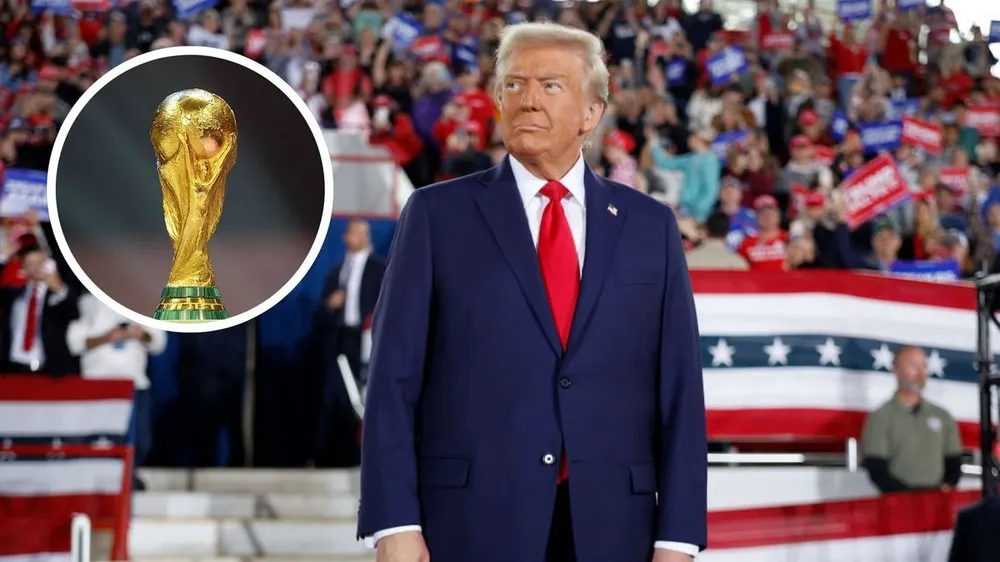
Billions of dollars in tourism revenue are expected to flow into host regions, while broadcasters and sponsors have already committed vast financial resources to the tournament.
Because of these economic and logistical realities, many analysts believe a full boycott remains unlikely.
Yet the conversation itself reveals how deeply politics can shape the perception of even the most global sporting events. Whether through protests, symbolic gestures or political statements by players and teams, the 2026 World Cup may ultimately reflect not only the beauty of football but also the complexities of the world in which it is played.
When the opening whistle sounds next summer, the matches will capture the world’s attention. But the story surrounding the tournament may extend far beyond the field.