Canada’s “Review” of Aviation Modernization Raises Questions Amid Quiet Procurement Push

The debate surrounding Canada’s next-generation aircraft program has reached an unexpected crossroads. For months, the government in Ottawa has maintained that its large-scale acquisition project is “under review.” This messaging signaled a sense of caution—and perhaps even a potential pause—as political and trade frictions with Washington made high-stakes U.S. defense purchases a sensitive issue.
Behind the scenes, however, the momentum appears unchanged.
Recent procurement activities reveal that Canada has begun securing “long-lead” components for an additional 14 F-35 units. In the aerospace and defense sector, ordering long-lead items is far from a symbolic gesture; it represents a concrete commitment to the production cycle, a stage where manufacturing schedules, supplier coordination, and delivery timelines become fixed.
Simply put, while public discourse suggests hesitation, the defense procurement engine continues to operate at a steady clip.
This development brings renewed scrutiny to Canada’s 2023 pledge to acquire 88 F-35s from Lockheed Martin. The multi-billion-dollar deal, aimed at replacing the aging CF-18 fleet, was initially framed as a vital step in modernizing national defense and ensuring interoperability with NATO allies.
However, geopolitical shifts have complicated the narrative. During periods of trade tension—including tariffs affecting key Canadian industries—the F-35 deal became a political lightning rod. Critics argued that Canada should reassess its reliance on U.S. technology, particularly when bilateral relations are strained.
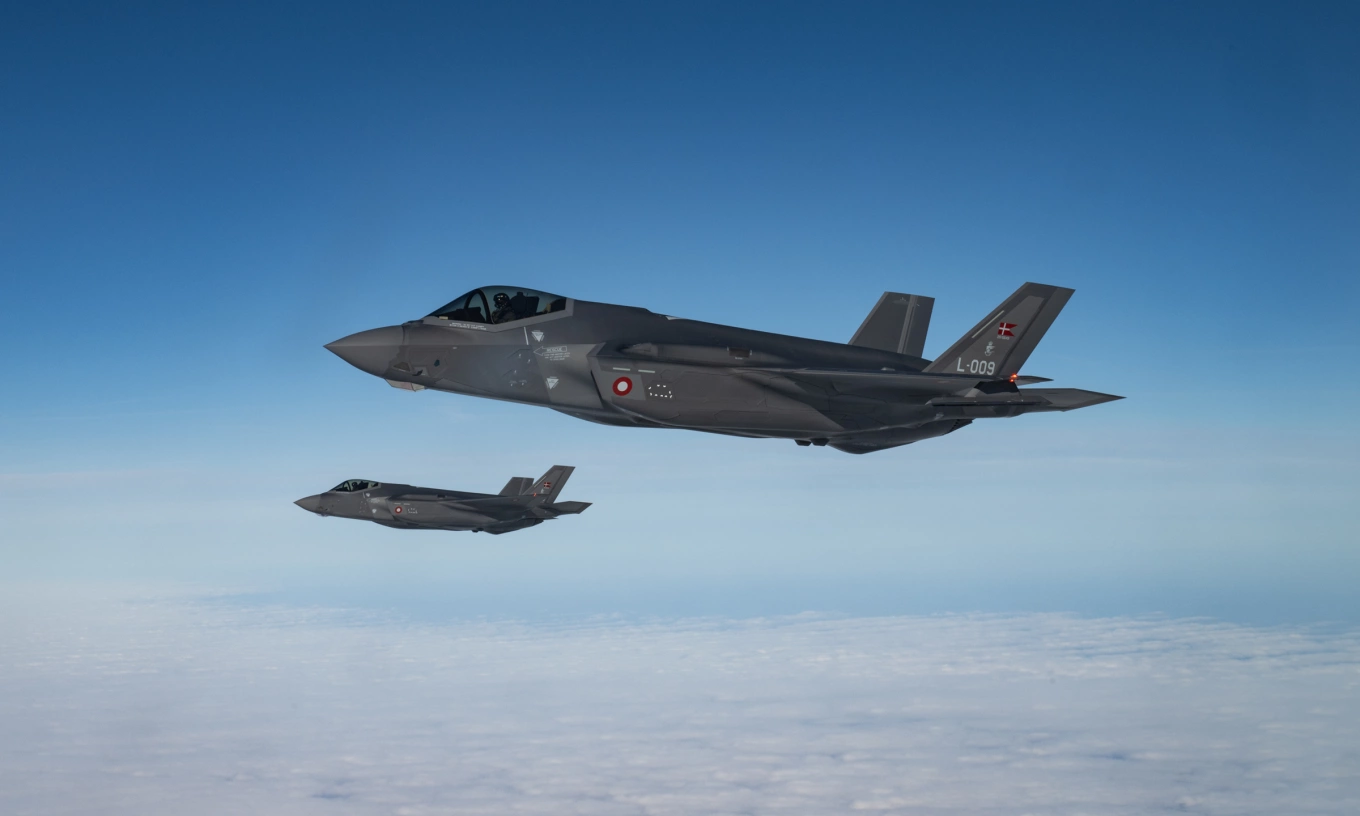
In response, the government announced that the procurement plan was being “re-evaluated.” While the language was guarded, the implication was clear: Ottawa was considering adjustments to the scale, timeline, or structure of the agreement. To many observers, this hinted at a strategic pivot or a significant slowdown.
Yet, major defense programs rarely align with short-term political cycles. These multi-decade projects involve incredibly complex supply chains, where critical components must be ordered years before the final assembly. Therefore, the decision to move forward with these early orders is highly significant.
If Ottawa were truly considering a cancellation or a major overhaul, spending on early-stage manufacturing would be illogical. These components—which include airframe structures, avionics, and engine parts—effectively “lock in” future deliveries. Withdrawing at this stage would trigger massive financial penalties and risk losing a spot in a high-demand production line, potentially delaying deliveries by years.
From a practical standpoint, continuing these orders may be less about politics and more about protecting Canada’s position in the global supply chain.
Nevertheless, the optics remain controversial. If the deal is genuinely under review, critics ask why the government is proceeding with steps that commit billions of additional taxpayer dollars. Some analysts suggest the “review” may simply be an internal assessment of implementation rather than a reconsideration of the deal itself. Another possibility is a future “mixed fleet” strategy, where Canada continues with the F-35 while exploring other platforms long-term.
At present, however, procurement signals point toward continuity rather than change. This discrepancy raises a larger issue: transparency. While large-scale defense programs often involve sensitive negotiations, public trust relies on clear communication. When official rhetoric suggests uncertainty but actions indicate commitment, skepticism is inevitable.

Canada’s choice for its next-generation fleet will define its defense posture for decades. With the production line now in motion, the window for a major policy shift is closing fast. Despite the diplomatic maneuvering, the Canada-U.S. defense partnership remains robust. Whether Ottawa will eventually align its public messaging with its procurement reality remains to be seen.