Trump’s Great Lakes Water Request Sparks Sovereignty Debate With Canada Amid Rising Climate Pressures
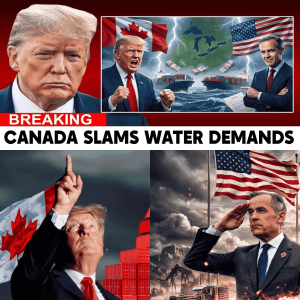
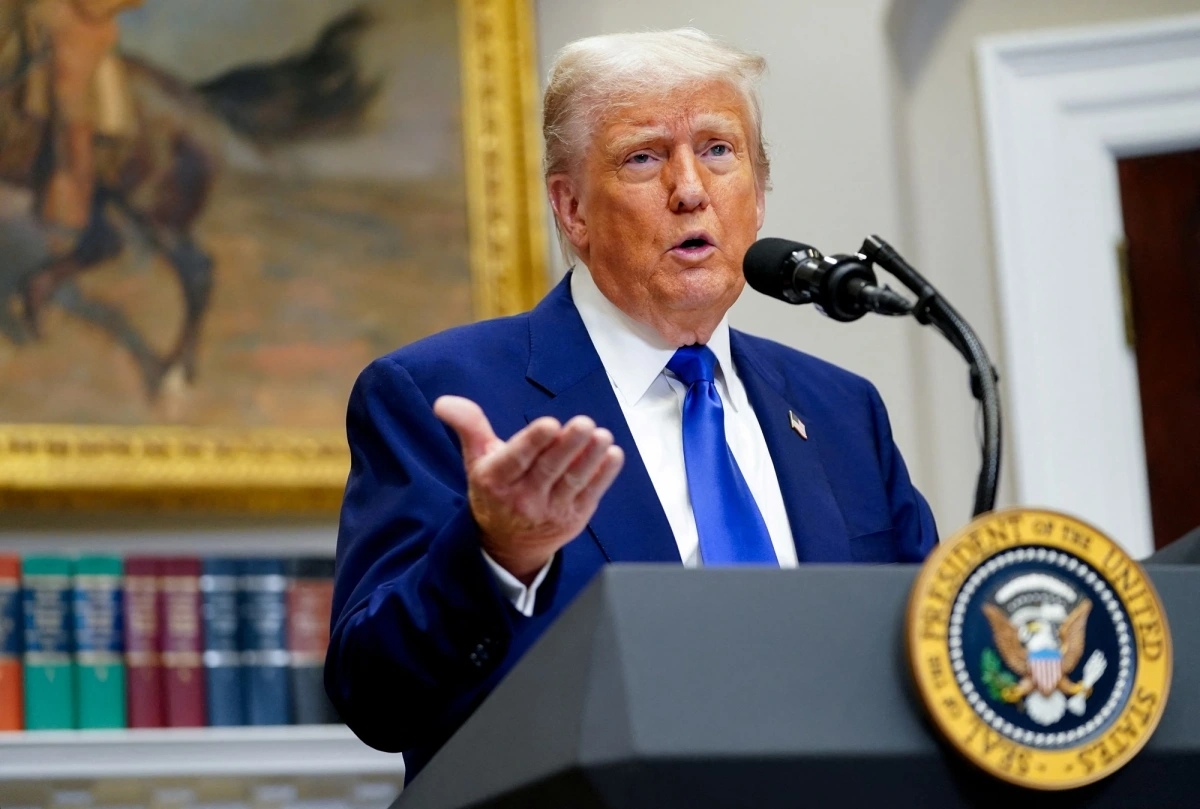
In an era increasingly defined by climate stress and resource scarcity, fresh water is quietly becoming one of the most strategic assets on Earth. That reality moved into the spotlight in 2026 when U.S. President Donald Trump publicly called for expanded American access to water from the Great Lakes system — a proposal that immediately met swift and strong resistance from Canada.
What might once have been a technical policy discussion quickly evolved into a high-stakes geopolitical debate involving national sovereignty, environmental stewardship, and the future of cross-border cooperation in North America.
Stretching across the border between the United States and Canada, the Great Lakes — Superior, Michigan, Huron, Erie, and Ontario — contain nearly one-fifth of the world’s surface fresh water. For more than a century, these lakes have symbolized cooperation between two nations that share the longest undefended border in the world.
However, as drought conditions intensify across large portions of the United States, the lakes are increasingly viewed not only as a shared natural treasure but also as a strategic reserve.
Across the American West and Southwest, reservoirs continue to shrink while groundwater supplies face growing pressure. Farmers in states such as Arizona and California are confronting stricter irrigation limits, while cities debate new restrictions to secure drinking water supplies.
In that context, Trump’s call for broader access to Great Lakes water has been framed by supporters as a bold solution to an escalating national challenge.
The political reaction, however, was immediate and intense.
Canadian officials did not treat the proposal as routine diplomacy. Instead, they viewed it as a potential risk to Canada’s sovereign authority over one of the country’s most valuable natural resources.
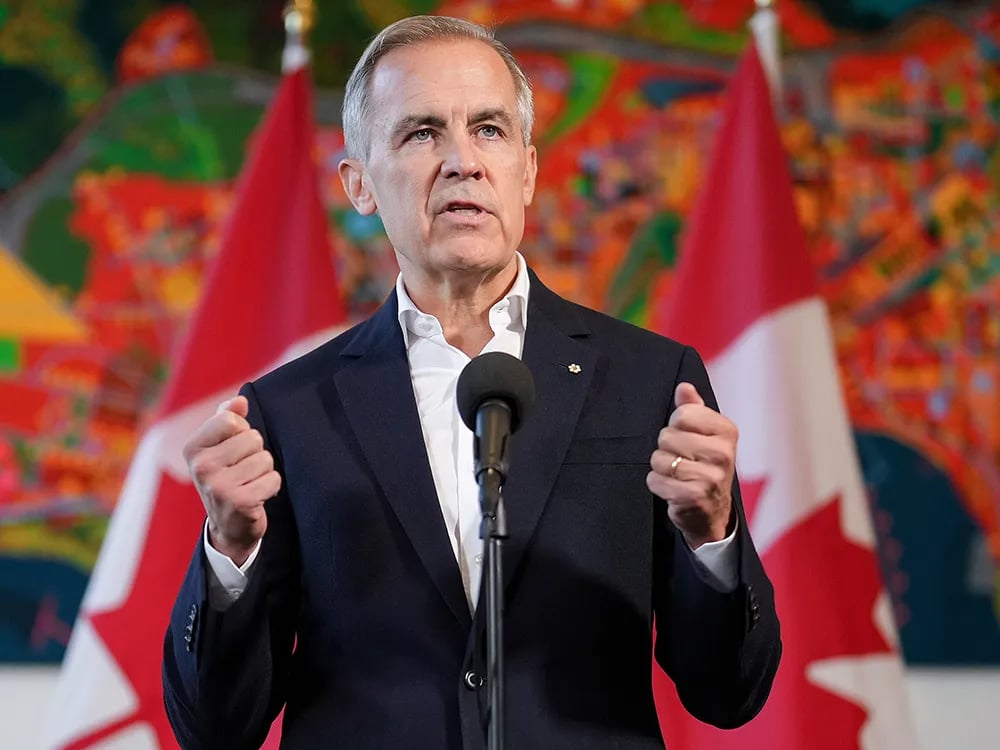
Canadian Prime Minister Mark Carney responded carefully but firmly. Rather than escalating tensions through inflammatory rhetoric, his government emphasized the legal framework that has governed the lakes for generations.
The foundation of that system is the Boundary Waters Treaty of 1909, administered by the International Joint Commission. The treaty ensures that shared waters cannot be altered or diverted without mutual agreement from both countries.
Additional protections were later established through the Great Lakes–St. Lawrence River Basin Water Resources Compact and its parallel Canadian agreement. These arrangements place strict limits on large-scale water diversions outside the basin, reflecting longstanding concerns about maintaining ecological balance.
Environmental experts warn that once large water diversions begin, restoring natural water levels could become extremely difficult. The lake system supports a complex ecosystem that underpins fisheries, tourism, and coastal communities on both sides of the border.
Canada controls roughly half of the shoreline, and provinces such as Ontario treat fresh water as a public trust embedded in environmental law and Indigenous rights.
By increasing investments in water monitoring, basin infrastructure, and environmental protection measures, Carney’s government has signaled that Canada intends to safeguard the lakes through legal protections rather than political confrontation.
The stakes are enormous.
The Great Lakes region represents an economic corridor worth approximately $890 billion, making it one of the most integrated industrial and commercial zones in the world. Major cities including Chicago, Detroit, Toronto, and Hamilton rely on stable water levels to sustain shipping, manufacturing, energy production, and municipal water supplies.
Ports throughout the basin move iron ore, grain, steel, and other commodities essential to North American industry. Any significant shift in water policy could ripple across the entire system.
Shipping channels could be affected by fluctuating lake levels. Insurance markets might reassess risks tied to ports and coastal infrastructure. Investors could reconsider long-term projects that depend on predictable water management.
Environmental organizations would almost certainly launch legal challenges, while Indigenous nations would demand consultation consistent with treaty rights and their centuries-old cultural relationships with the lakes.
For many communities, the issue is deeply personal.
Families in Michigan depend on the lakes for drinking water and recreation. Towns in Ontario rely on fisheries and tourism — industries that thrive only when ecological conditions remain stable. Meanwhile, farmers in drought-stricken American regions face real hardship and are urgently searching for solutions to sustain crops and rural economies.
This tension reflects a broader global reality: fresh water is rapidly becoming a strategic resource.
As climate change reshapes rainfall patterns and intensifies heat waves, countries with abundant water reserves may gain increasing geopolitical leverage. Economists note that water security now influences everything from agricultural exports and industrial investment to migration patterns and long-term economic stability.
Against this backdrop, the dispute between Trump and Carney carries symbolic significance beyond bilateral politics. It raises the question of whether two closely allied democracies can manage a shared life-sustaining resource under mounting environmental pressure without allowing cooperation to fracture.
For now, both governments appear aware that escalation would come with heavy economic and diplomatic costs. Trade tensions between Washington and Ottawa have already strained relations in recent years, and neither side wants water policy to trigger a broader diplomatic conflict.
Yet the debate underscores a growing truth of the climate era: scarcity changes political priorities.
The Great Lakes remain vast, calm, and indifferent to political speeches. But the policies shaping their future will determine how North America manages one of its most valuable natural resources in the decades ahead.
Whether the lakes remain a symbol of cooperation — or become a flashpoint in the politics of scarcity — may ultimately define the next chapter of U.S.–Canada relations.