BREAKING: Supreme Court Hears High-Stakes Campaign Finance Case as Marc Elias Warns of “Floodgates” for Big Money

Marc Elias, one of the most prominent election and democracy lawyers in the United States, has once again stepped onto the nation’s biggest legal stage. Fresh off his fifth appearance arguing before the U.S. Supreme Court, Elias is now at the center of a case that could dramatically reshape how political parties fund elections and how money flows through American democracy.
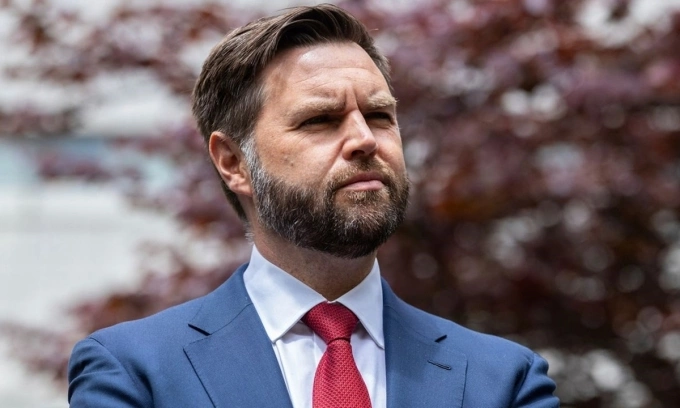
At issue is a long-standing federal limit on “coordinated party expenditures,” the rules that restrict how much political parties can directly spend to cover the costs of candidates’ campaigns. Republican House and Senate committees, joined by Vice President JD Vance, are challenging those limits, arguing they violate the Constitution. Elias, representing the Democratic Party, says the case is part of a decades-long Republican effort to dismantle campaign finance regulations piece by piece.

The stakes are enormous. These spending limits have existed since the 1970s and were last upheld by the Supreme Court in 2001. Yet the Court agreed to hear the case again, a move Elias interprets as a sign that at least some justices are open to revisiting — and possibly overturning — prior precedent. Notably, the Trump administration declined to defend the law, breaking with past Republican and Democratic administrations and forcing Democrats to step in.
Inside the courtroom, Elias says there were unexpected moments of concern from both liberal and conservative justices. Several questioned whether Republicans were attempting a “bait and switch,” having previously pointed to these limits as justification for striking down other campaign finance rules, only to now target the limits themselves. The justices pressed on what might come next if these restrictions fall — and whether any limits on political money would survive.
Elias warned the Court that striking down the law would not strengthen political parties, as Republicans claim, but weaken them. Instead of investing in long-term party infrastructure, parties would become little more than “paymasters,” writing checks to campaigns and attracting massive donations in the process. That shift, he argued, would accelerate the dominance of mega-donors and erode public trust in elections.
If the Court rules against Elias, the consequences could be swift and far-reaching. Campaign finance experts predict an explosion of money flowing into party committees, with individual donations reaching hundreds of thousands — even millions — of dollars. More importantly, Elias cautioned, once parties gain the right to coordinate freely, other actors like super PACs and wealthy individuals will demand the same, potentially collapsing the remaining guardrails of the system.
Despite acknowledging the uphill battle, Elias remains resolute. With more than 65 active cases nationwide and a record of unexpected wins before the Supreme Court, he says cynicism is a luxury democracy defenders cannot afford. His role, he argues, is to fight every day — in courtrooms, not just in headlines — for voting rights, fair elections, and laws passed by Congress.
A decision is expected before the end of the Court’s term in June, possibly sooner. Whether the ruling preserves the status quo or unleashes a new era of unregulated political spending, the outcome will shape American elections for years to come. As Elias made clear, this case is not just about campaign finance — it is about the future balance between democracy and money in U.S. politics.