Canada Has Decoded Trump’s Tariff Bluff — and Is Quietly Winning the Trade War
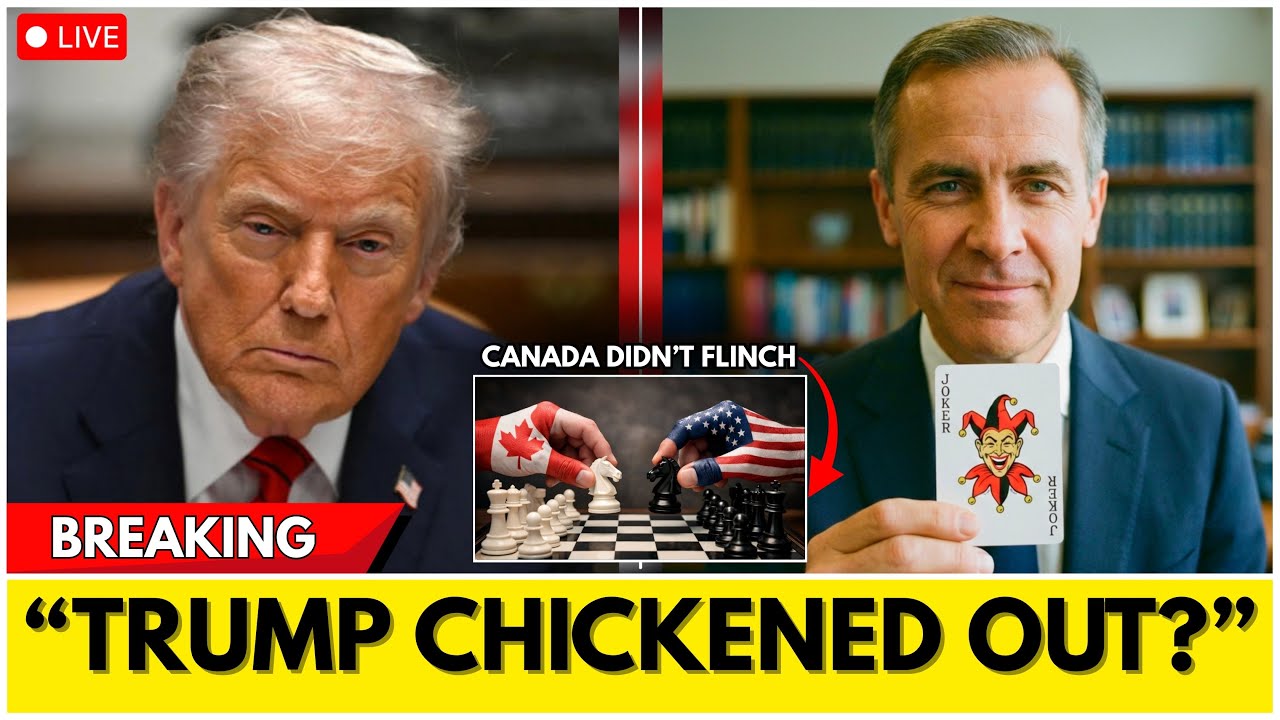
Trump Threatens. Canada Watches. The Threats Collapse.
Wall Street noticed it first and turned it into a trade: TACO — Trump Always Chickens Out.
Canada noticed something deeper.
Over the past year, every major tariff threat Donald Trump aimed at Canada has followed the same pattern:
-
Announced loudly
-
Amplified on social media
-
Then reversed, delayed, exempted, or quietly abandoned
Not once has a threat landed as promised.
Canada didn’t react emotionally. It didn’t negotiate from fear.
It learned the rule.
Trump’s tariff threats aren’t policy. They’re negotiation theater.
And once Canada understood that, the entire power dynamic flipped.
The Aircraft Tariff That Died in 24 Hours
The clearest example came Thursday night, January 29.
Trump posted on Truth Social threatening:
-
50% tariffs on all Canadian aircraft
-
Decertification of every Canadian-built plane
-
Directly targeting Bombardier Global Express jets
The justification?
Transport Canada hadn’t certified Gulfstream’s newest jets due to incomplete fuel icing safety tests—a real, documented safety issue.
Trump’s response was to threaten grounding 5,425 Canadian-built aircraft currently flying in U.S. airspace—planes operated by:
-
American Airlines
-
Delta
-
U.S. corporations
-
Private American owners
Friday morning, Bombardier stock dropped 9%.
Aviation lawyers were flooded with calls.
By Friday afternoon, the White House quietly told Reuters the threat would not apply to aircraft already operating in U.S. fleets.
In less than 24 hours:
-
“All aircraft decertified”
-
Became “only future aircraft”
That’s not trade policy.
That’s a social media bluff walking itself back before Monday.
And Canada knew it would.
Why the Threat Was Always Hollow
Bombardier:
-
Employs 3,000 workers in the U.S.
-
Operates 9 U.S. facilities
-
Uses 2,800 American suppliers across 47 states
-
Sources more than half of each jet’s value from U.S. manufacturing
The threat hurt American workers faster than it pressured Canada.
Canada didn’t panic.
Transport Minister Steve MacKinnon quietly coordinated with Bombardier leadership.
No emergency statements.
No concessions.
Because Canada already knew the ending.
The Pattern Started in 2024
Trump’s first major threat came before he even returned to office:
-
25% tariffs on all Canadian goods, justified by fentanyl trafficking and border security
The rollout was loud.
The reality was messy.
Exemptions multiplied:
-
USMCA-compliant goods exempted
-
Energy carved out
-
Agriculture modified
-
Adjustments every week
The economic impact steadily shrank.
But while Trump was announcing and retreating, Canada was moving.
Canada Used the Threats as Political Cover
Instead of retaliating, Canada did something smarter.
It launched:
-
Buy Canadian
-
Redirected $70 billion in federal procurement away from U.S. suppliers
-
Accelerated domestic supply chains
Not as punishment.
As strategy.
Canadian consumers followed organically:
-
Grocery shelves replaced U.S. brands
-
Domestic travel surged as Florida trips were canceled
-
Canadian wine displaced American imports
Every Trump threat became free advertising for independence.

July 2026: The Trade Agreement Review
When the USMCA comes up for review:
-
Trump wants concessions
-
Sectoral tariffs
-
Bilateral pressure
But he enters that negotiation having:
-
Threatened Canada repeatedly
-
Failed every single time
Canada enters with:
-
China agricultural markets
-
European energy partnerships
-
Asian export routes
-
$70B redirected domestically
-
Public support for independence
If Trump overreaches, Canada can trigger annual reviews and begin a managed decoupling.
Canadian voters will support it.
They’ve watched the threats collapse in real time.
Final Scorecard
Wall Street traded the TACO pattern.
Canada built a future.
Trump believed he was applying pressure.
In reality, he handed Canada:
-
Political cover
-
Time
-
Public support
-
Leverage
Every empty threat was a gift.
Canada collected them all.
Canada wins.