WASHINGTON — What began with soaring rhetoric and thunderous applause has turned into a thorny reckoning as critics question the numbers behind a much-hyped “DOGE” efficiency effort associated with Donald Trump and billionaire entrepreneur Elon Musk. Marketed as a radical fix to government waste and a fast track to savings measured in the trillions, the initiative is now facing mounting skepticism over outcomes that appear to diverge sharply from the pitch.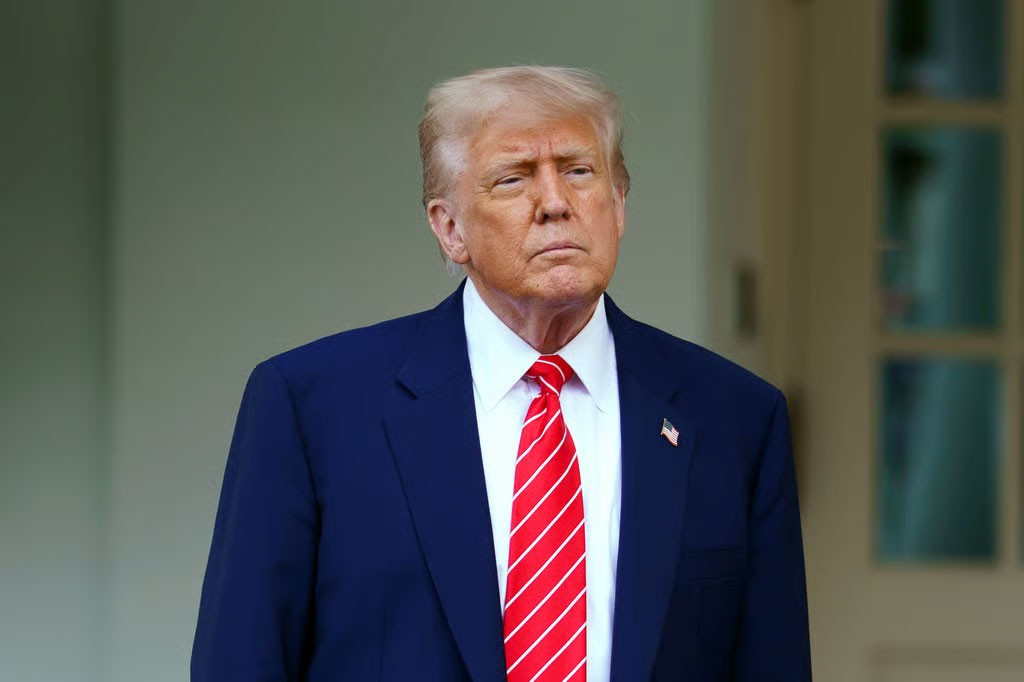
The doubts intensified this week after newly circulated analyses challenged the program’s headline claims. What supporters framed as a lean, tech-driven overhaul is being recast by critics as a costly misfire—one that coincided with job cuts, shifting targets, and spending that, by several measures, continued to rise. Social media lit up as charts and side-by-side comparisons spread, fueling a rapid narrative reversal.
At the heart of the dispute are competing interpretations of “efficiency.” Proponents argue the effort focused on speed and modernization, not just immediate budget reductions. Detractors counter that the public was promised concrete savings and streamlined operations—and that the results, so far, fall short. “You can’t sell a miracle cure and then redefine success after the fact,” said one budget analyst who reviewed the claims circulating online.
People familiar with internal discussions described a tense response as scrutiny grew. Talking points evolved quickly, according to those accounts, as initial projections were revised downward and emphasis shifted from dollar figures to longer-term potential. Several insiders, speaking on the condition of anonymity, said the recalibrations felt less like clarification and more like damage control.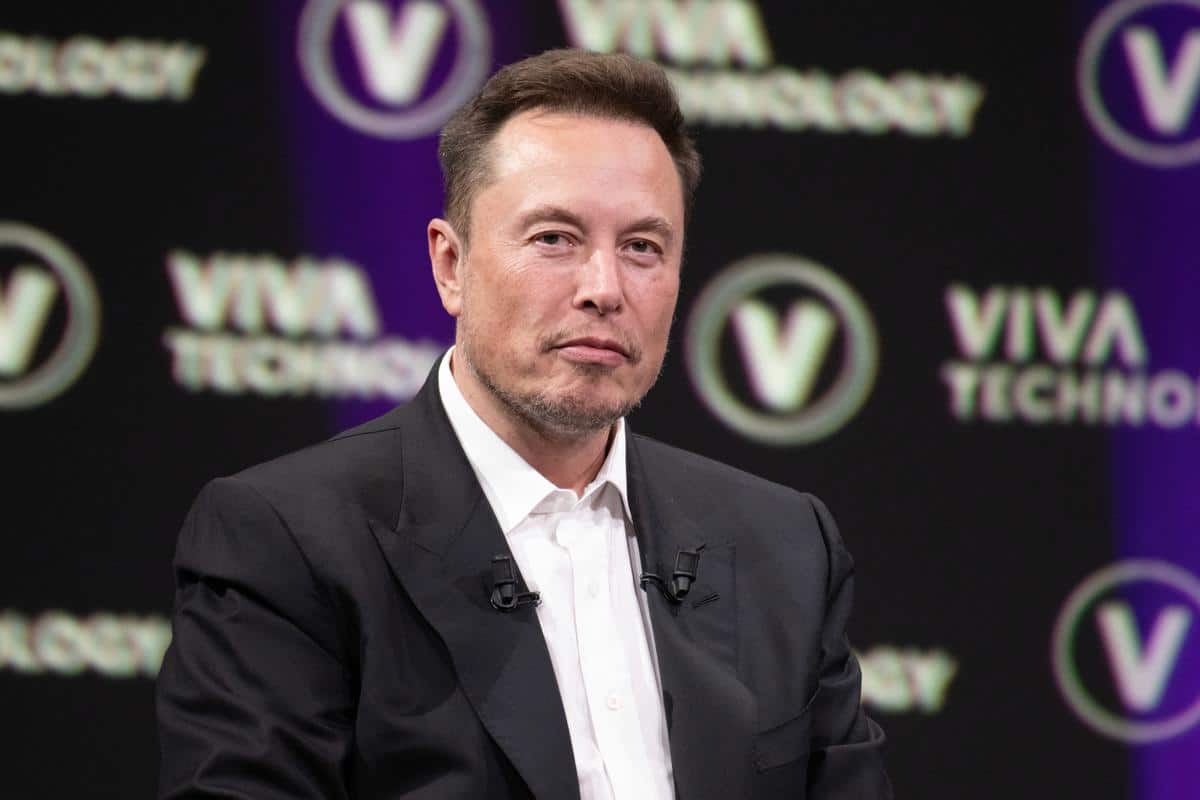
Watchdog groups and independent economists have piled on, dissecting assumptions and timelines. Some note that workforce reductions, while politically potent, do not automatically translate into savings—particularly if agencies backfill roles through contractors or face transition costs. Others question whether projected efficiencies were double-counted or reliant on optimistic adoption curves.
Supporters reject the criticism as politically motivated. Allies of Mr. Trump argue that entrenched bureaucracy resists disruption and that early turbulence was inevitable. Backers of Mr. Musk emphasize his track record of pushing ambitious goals, insisting that breakthroughs often follow periods of volatility. “Innovation isn’t tidy,” one supporter said. “Judging it too early misses the point.”
Still, the optics have shifted. Clips of commentators revisiting early promises—contrasted with updated figures—are trending across platforms. Comment sections have turned brutal, with skeptics asking who signed off on the projections and what guardrails were in place. The questions have taken on added urgency as 2026 approaches, when narratives about competence and credibility could carry electoral weight.
Political strategists say the episode underscores a broader risk of governance by spectacle. “Big ideas attract attention,” said one veteran strategist. “But when the math doesn’t match the message, the backlash can be swift—and sticky.” Even a perception of overreach, they note, can complicate fundraising, coalition-building, and public trust.
No official audit has yet settled the debate, and both camps are bracing for further revelations. Analysts caution against drawing final conclusions from partial data, while acknowledging that transparency will be essential to restoring confidence. Calls are growing for clearer benchmarks, independent verification, and a timeline that distinguishes aspiration from achievement.
For now, the story continues to evolve—less a single disclosure than a rolling examination of how bold promises collide with governing realities. Whether the “DOGE” experiment ultimately delivers measurable gains or becomes a case study in hype will depend on evidence still to come. But one thing is clear: the era of unchecked claims is giving way to demands for receipts, and the reckoning has only begun.