Why the U.S. Suddenly Needs Canada More Than Ever — A Quiet Power Shift Is Redefining North American Trade
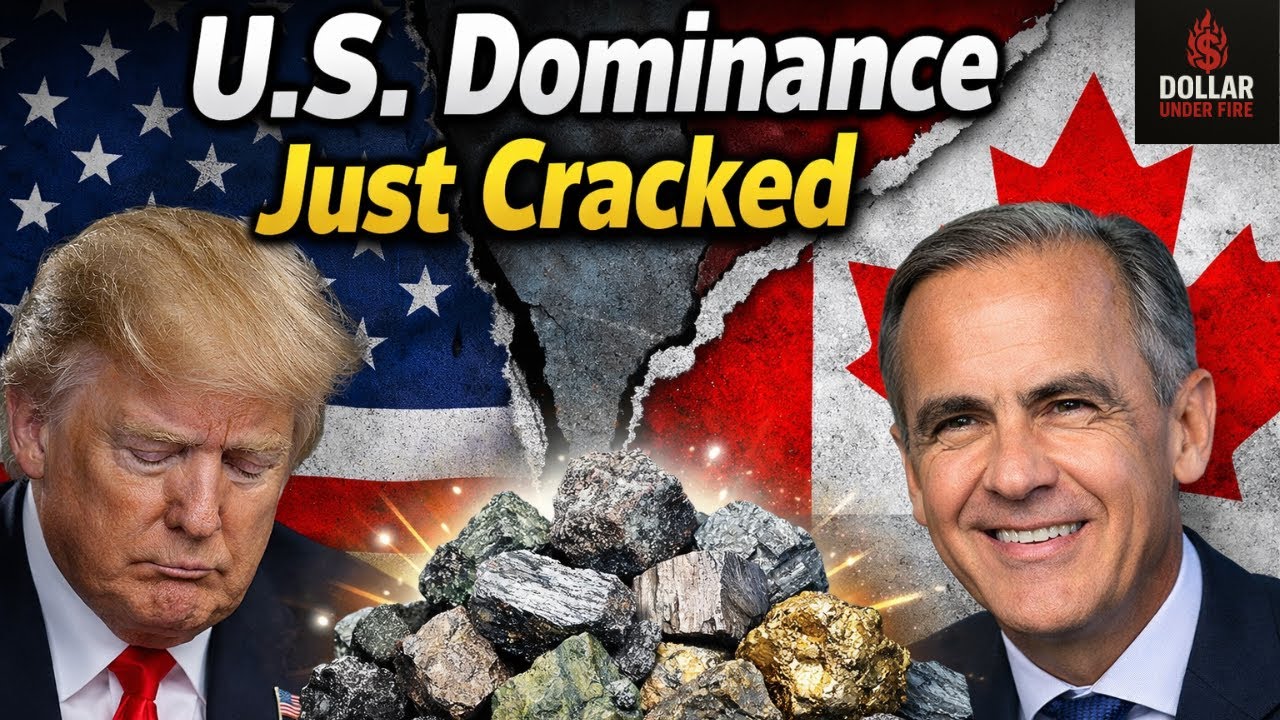
For years, Washington assumed Canada would eventually blink. That under pressure from tariffs, threats, and renegotiation tactics, Ottawa would once again show up defensive and ready to compromise. That assumption just collapsed. And it didn’t happen through confrontation, but through two calm, decisive words: not negotiable.
Those words marked the end of an era in U.S.–Canada relations. Canada is no longer negotiating from fear or habit. While Washington believed it was tightening leverage, Canada had already built alternatives. What followed revealed a deeper truth: pressure only works when the other side has nowhere else to go — and Canada does.
The demands coming from the U.S. exposed this shift clearly. Instead of focusing on core pillars like energy, steel, or infrastructure, negotiations centered on dairy access, digital service taxes, alcohol restrictions, and provincial procurement rules. It wasn’t a strategy of strength. It was a shopping list. And when a superpower obsesses over milk, streaming platforms, and bourbon, it signals vulnerability, not dominance.
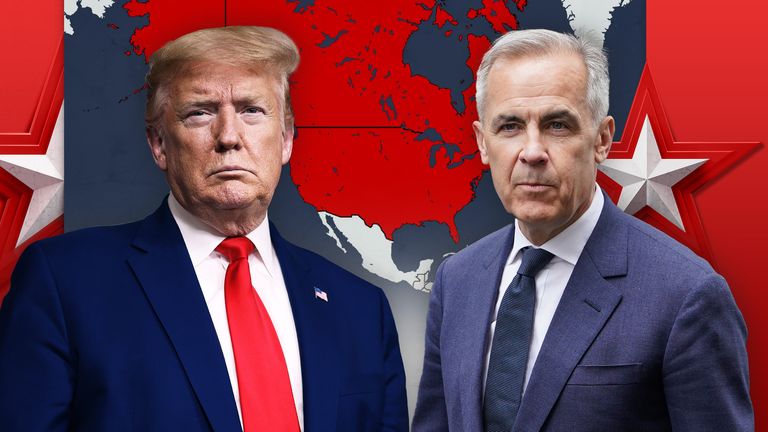
Canada’s response was firm and measured. Supply management was off the table. No caveats. No softening. In diplomacy, that kind of finality signals confidence. Rather than arguing over concessions, Canada reframed the conversation around what it already brings to the table: deeply integrated auto supply chains, steel and aluminum production, forestry products, and critical inputs that North American manufacturing cannot function without.
The aluminum example alone is devastatingly clear. Canada’s clean, hydro-powered aluminum exports save the U.S. the equivalent of four Hoover Dams worth of electricity. Replacing that supply would require massive new energy infrastructure — something that cannot be built quickly or cheaply. Meanwhile, Canada can sell that aluminum globally. Europe wants it. Asia wants it. The leverage is real.
Then there is the Ring of Fire. Northern Ontario holds one of the world’s largest untapped reserves of critical minerals essential for electric vehicles, advanced electronics, and defense systems. For decades, access to these resources was assumed by allies. That assumption is gone. Canada is now framing access as a choice, not an entitlement — with Indigenous partnership, national benefit, and global interest at the center.
What truly unsettled Washington is that Canada no longer depends on the U.S. as its only viable customer. Expanded ports on three oceans, strengthened Atlantic and Pacific shipping routes, Arctic gateways, and trade agreements across Europe, the UK, and the Indo-Pacific have quietly changed the math. Geography no longer equals dependency. Strategy does.
Even moments of friction — like the Reagan-themed ad that rattled U.S. negotiators — revealed Canada’s new posture. There was no panic, no internal fracture. Instead, a division of roles emerged: calm long-term strategy paired with blunt political pressure. Unity without uniformity. Washington didn’t face chaos. It faced patience.
This isn’t hostility. Canada isn’t slamming doors or burning bridges. It’s ending the assumption of automatic compliance. When Canada says “not negotiable,” it’s not posturing — it’s setting boundaries backed by real leverage. And that’s why the United States now needs Canada more than ever: not because of proximity, but because confidence has replaced fear, permanently shifting the balance of power.