A Presidential Rant, a Billion-Dollar Merger, and the Silence in Between
In an 18-minute Oval Office address that oscillated between grievance and self-congratulation, President T.r.u.m.p demanded public praise for an economic recovery many Americans say they cannot feel. The speech was loud, tightly scripted, and delivered with visible agitation. Yet what drew the sharpest scrutiny afterward was not what was said—but what was carefully left out.
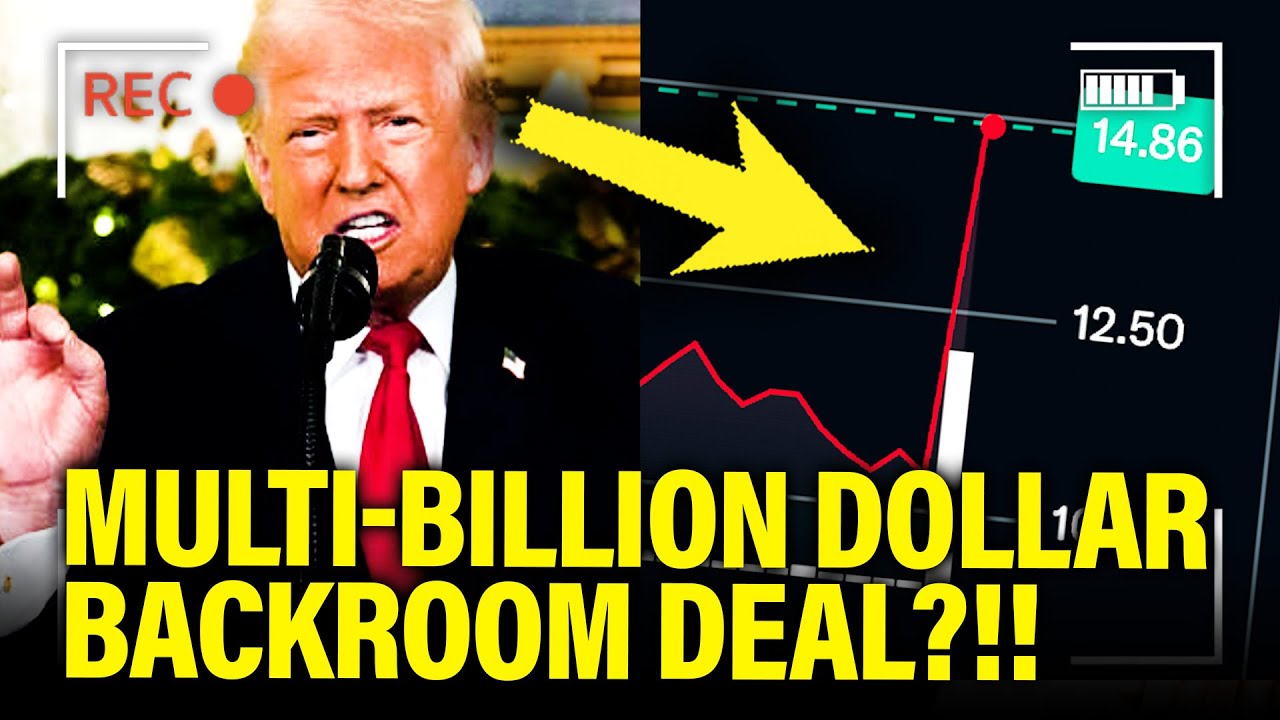
Just hours later, news broke of a multibillion-dollar corporate maneuver involving Trump Media & Technology Group, the parent company of Truth Social. The company is set to merge into a 50-50 joint venture with TAE Technologies, a nuclear fusion firm backed by Google’s parent Alphabet, Chevron, Goldman Sachs, and prominent family offices. The deal, expected to close in early 2026, could unlock enormous personal wealth for the T.r.u.m.p family at a moment when economic anxiety remains widespread.
The contrast was stark. In the speech, the president painted a picture of stabilized inflation, rising wages, secure borders, and an imminent “economic boom the likes of which the world has never seen.” Outside the White House bubble, Americans continue to confront high food prices, a volatile job market, and a stock market swinging on uncertainty. The omission of the impending merger raised immediate questions about transparency, priorities, and timing.
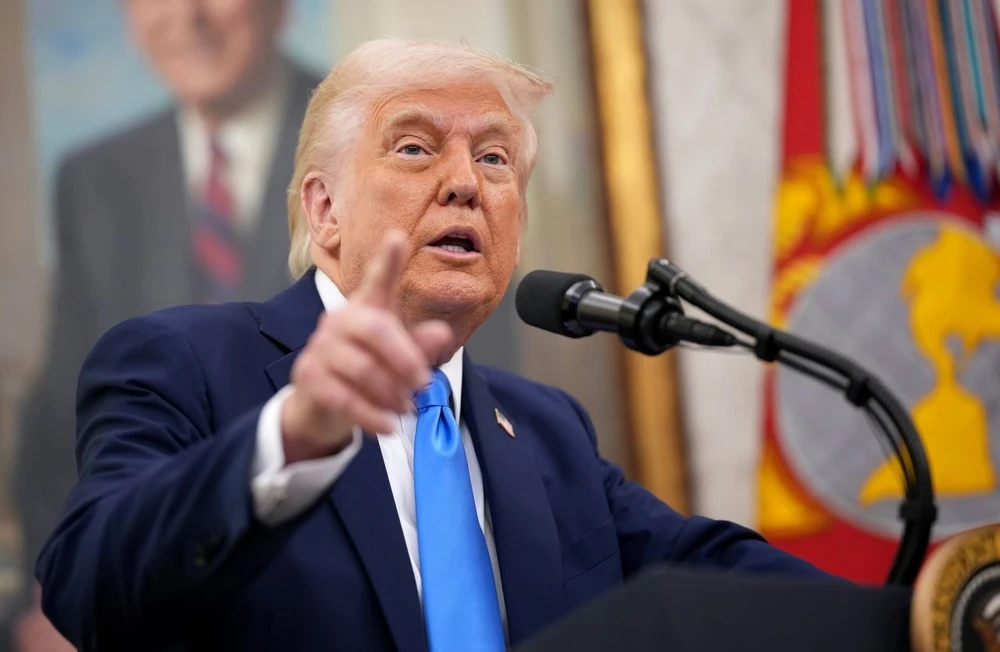
Critics argue the address functioned less as a policy update than as a distraction. The president’s insistence that the public “love” his economic stewardship, delivered with visible anger, coincided almost too neatly with the announcement of a deal that could be valued in the tens of billions of dollars. To skeptics, the sequencing felt deliberate: flood the airwaves with rhetoric, then quietly unveil the windfall.
At the center of the deal is TAE Technologies, a company pursuing nuclear fusion—long described as the holy grail of clean energy. Fusion promises massive power output with minimal environmental cost, and recent breakthroughs using laser-based technology have reignited investor enthusiasm. The appeal is not theoretical. Artificial intelligence, cryptocurrency mining, and data-hungry social media platforms are driving unprecedented demand for electricity. Traditional energy sources are straining to keep up.
This is where the merger becomes more than a business story. Alphabet’s backing of TAE reflects a broader Silicon Valley bet: that future dominance in AI depends on securing future energy. Fusion, if scalable, could feed the grid powering next-generation supercomputers. By linking Truth Social’s corporate shell with a fusion powerhouse, T.r.u.m.p’s media empire positions itself at the intersection of politics, technology, and energy infrastructure.
The joint venture will reportedly be overseen by Devin Nunes, the former congressman and current chief executive of Trump Media. Under the agreement, Trump Media is expected to contribute several hundred million dollars to balance the books, a sum that would be dwarfed by the long-term valuation upside if fusion commercialization succeeds. For the T.r.u.m.p family, the potential payoff is enormous.
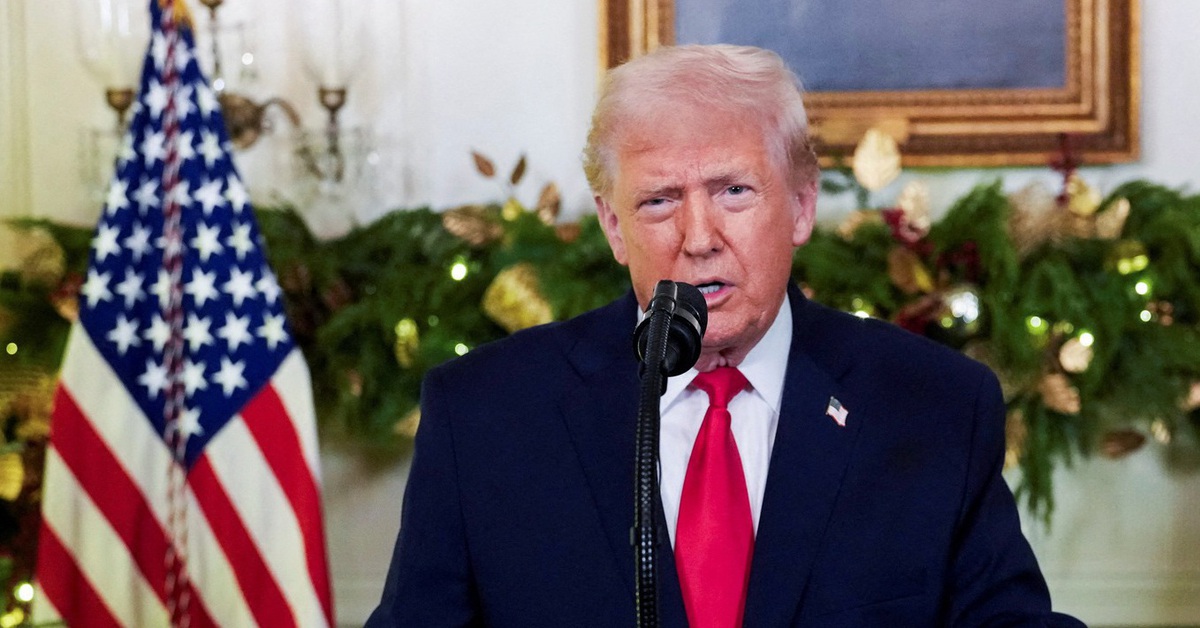
Ethically, the optics are fraught. While presidents are not prohibited from holding business interests, modern norms have emphasized distance between public office and private gain. The decision not to disclose the pending merger during a nationally televised economic address has fueled accusations that the administration is more focused on personal enrichment than public hardship.
The criticism extends beyond money. Observers note that T.r.u.m.p rarely engages directly with everyday Americans, moving instead between White House grounds and Trump-branded properties. Policy meetings are reportedly delegated, with figures like Stephen Miller shaping domestic and immigration policy and Russ Vought exerting influence over budgetary direction. To detractors, this reinforces a perception of an executive branch running on autopilot while the president attends to branding and balance sheets.
Supporters counter that fusion investment represents forward-thinking infrastructure development and that success would ultimately benefit the nation. But even some allies privately concede that the timing—and silence—were politically combustible.
What remains undeniable is the collision of narratives: a president insisting the economy is thriving, and a family business poised to reap historic gains through elite financial partnerships. In that gap between proclamation and disclosure, public trust is tested once again—and online, the reaction is fierce, with timelines lighting up as the internet continues to explode.