OTTAWA — For weeks, the sharp exchanges sounded like familiar political theater. But in recent days, officials in Canada have begun treating the rhetoric from Donald Trump with a new seriousness, prompting a discreet reassessment of contingency planning and alliance coordination, according to current and former officials briefed on the discussions.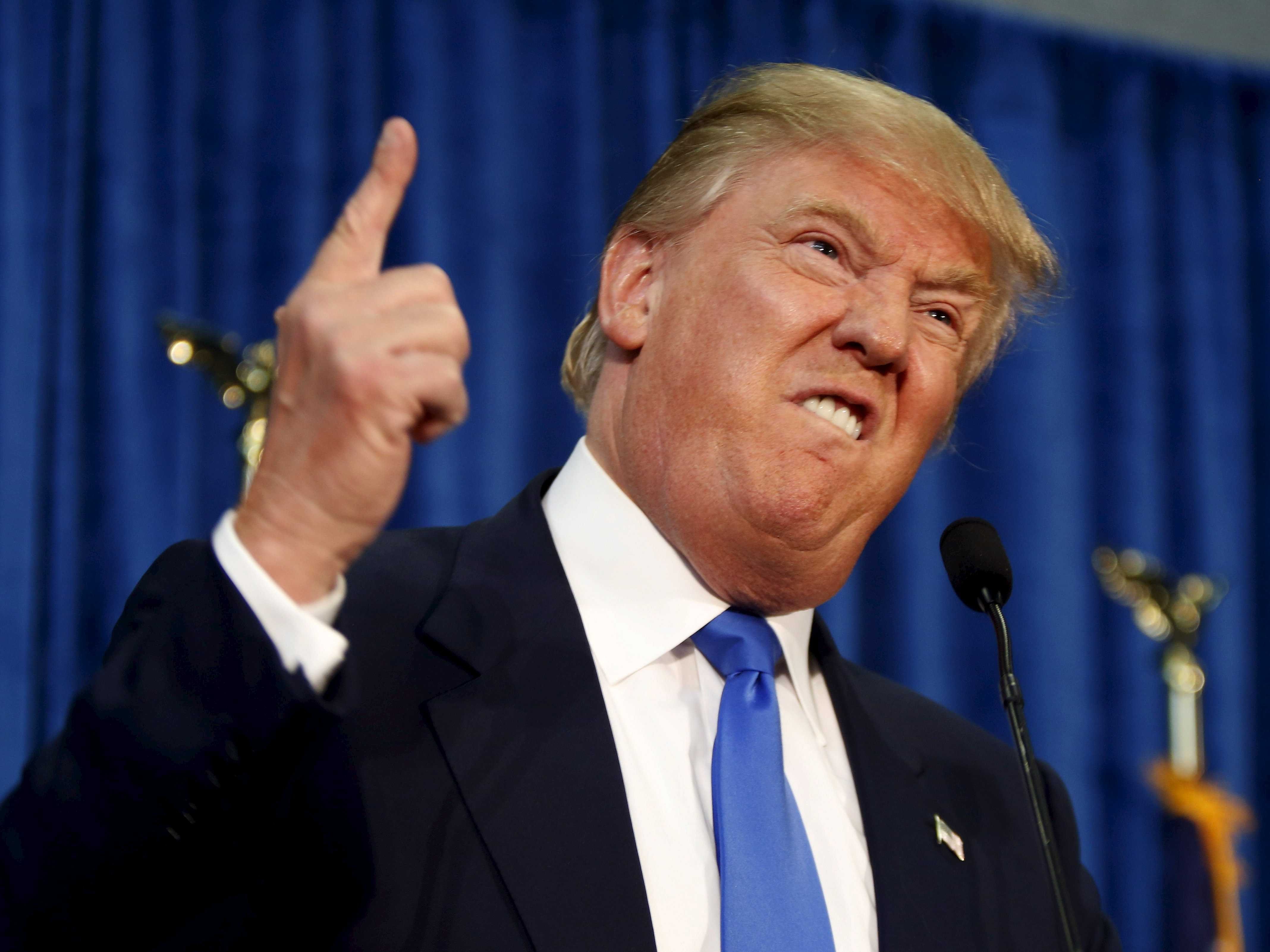
Publicly, Canadian leaders have projected calm, insisting that bilateral relations remain stable and that no immediate threat exists. Privately, however, officials say the tone has shifted from dismissal to vigilance, as remarks that once seemed like bluster are now being analyzed for intent and potential consequences.
“There’s no panic,” said one senior official, speaking on the condition of anonymity to discuss sensitive deliberations. “But there is a recognition that language matters — and that miscalculation between close partners carries real risks.”
Quiet Preparations, Public Restraint
The reassessment does not amount to mobilization for war, officials emphasized. Rather, it reflects a broader review of emergency preparedness, information resilience, and coordination with allies — steps governments routinely take amid heightened geopolitical uncertainty.
Within the Canadian Armed Forces, planners have revisited scenario exercises that include civil defense communications, infrastructure protection, and continuity of government. Civilian agencies have similarly reviewed crisis-response protocols, including how information would be shared with provinces and the public during periods of heightened tension.
Officials stressed that these measures are precautionary and defensive. “This is about readiness, not provocation,” said a former defense official familiar with the process.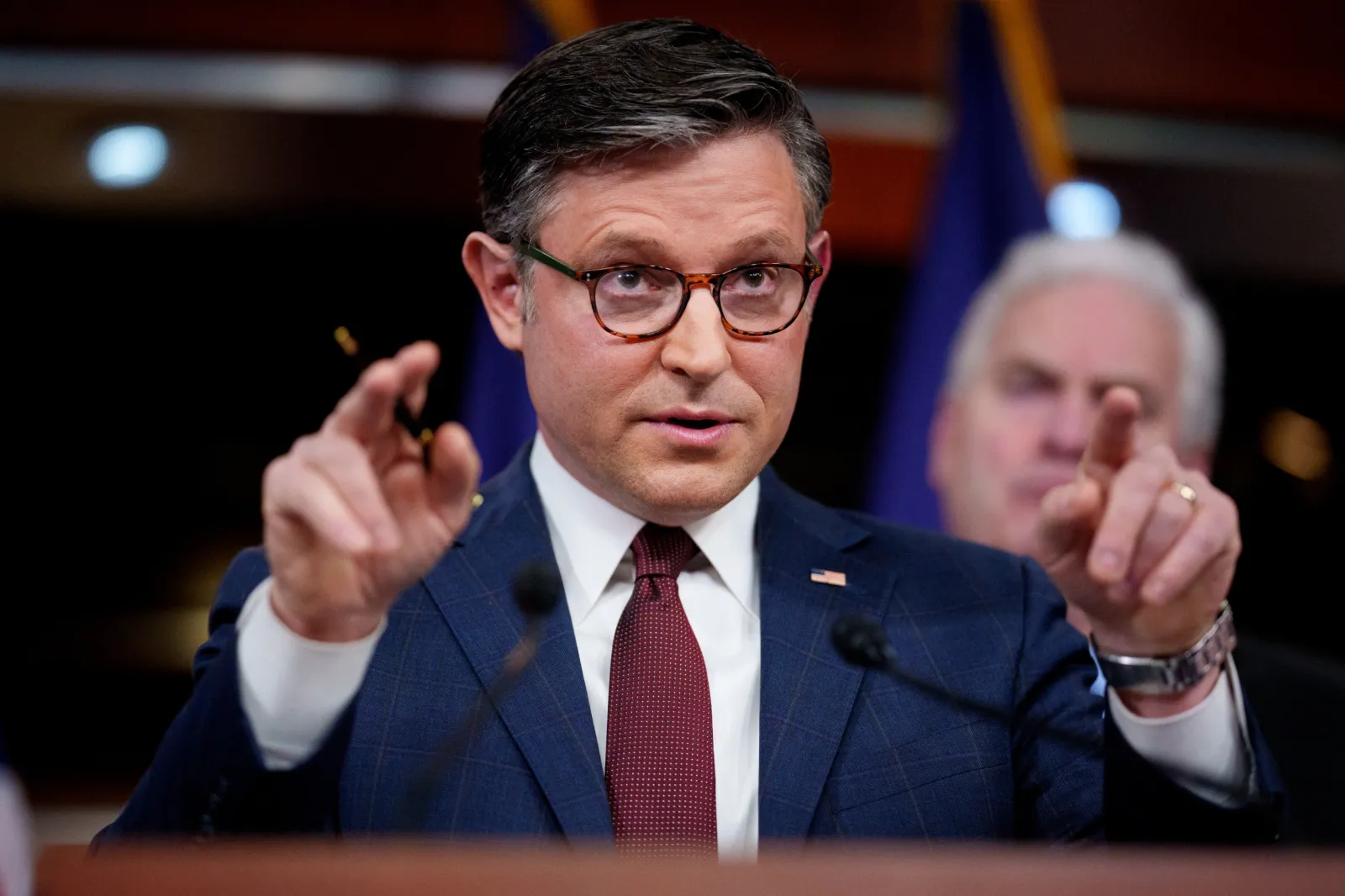
Alliance Coordination in Focus
Canada’s conversations with allies have also intensified, particularly within NATO and the Five Eyes intelligence partnership. Diplomats say the talks are aimed at ensuring shared situational awareness and avoiding misunderstandings — a priority underscored by recent global crises where rhetoric preceded rapid escalation.
Comparisons circulating online to past conflicts have been dismissed by officials as overdrawn. Still, analysts note that history shows how sustained verbal escalation can narrow diplomatic space, even among long-standing partners.
“Words can box leaders in,” said a North American security scholar. “When domestic politics reward escalation, off-ramps become harder to find.”
Social Media Fuels Anxiety
The shift has unfolded against a volatile media environment. Short clips and out-of-context quotes have spread rapidly across platforms, amplifying worst-case interpretations and prompting speculation about Canada’s intentions. Some posts have drawn parallels to strategies used by authoritarian leaders abroad — comparisons that Canadian officials say are misleading and unhelpful.
“The online discourse is outrunning reality,” said a government communications adviser. “Our challenge is to keep public confidence while not ignoring legitimate risks.”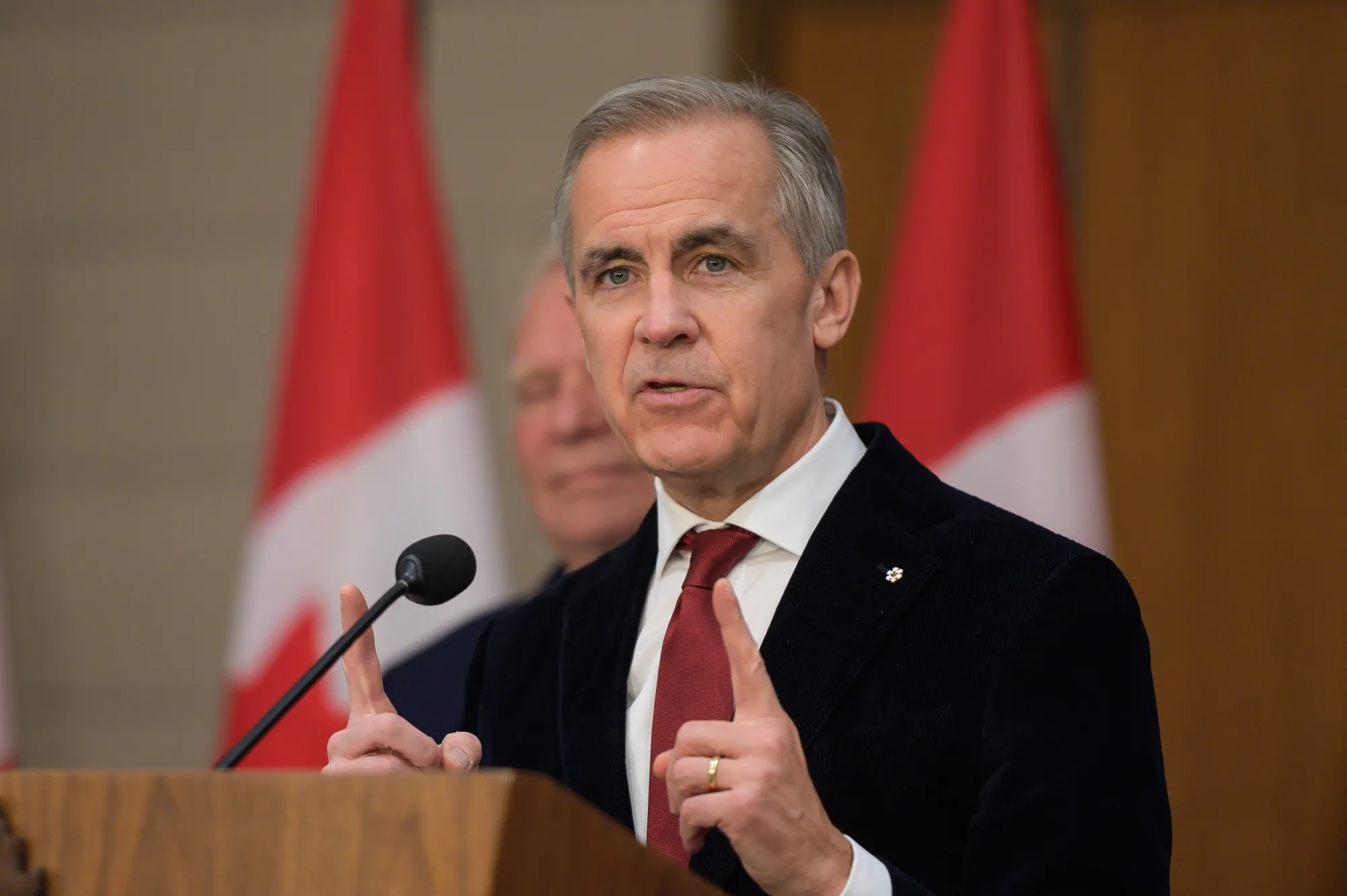
What Officials Are Saying — and Not Saying
Prime Ministerial aides have reiterated that Canada seeks stability and cooperation with the United States, its largest trading partner and closest security ally. Asked directly about contingency planning, a spokesperson said the government “regularly reviews preparedness across departments, as any responsible administration would,” and declined to comment on specifics.
American officials have not indicated any change in posture toward Canada. Still, observers note that ambiguity can itself be destabilizing, particularly when political incentives favor sharp rhetoric.
A Delicate Moment
Experts caution against reading the current review as a signal of impending confrontation. Instead, they frame it as a reminder of how quickly assumptions can shift when language hardens and trust erodes.
“Preparedness is not the same as expectation,” said a former diplomat. “But failing to prepare because something seems unthinkable is how countries get surprised.”
For now, Canada is threading a careful line: projecting calm to the public while quietly ensuring that systems, alliances, and communications would hold under stress. Whether the moment passes as another flare-up — or demands sustained attention — may depend less on military moves than on whether leaders on both sides choose de-escalation over applause lines.
As one official put it, “The goal is to make sure that words don’t become events.”