Fatal Shooting During Immigration Enforcement Sparks Protests in Minneapolis
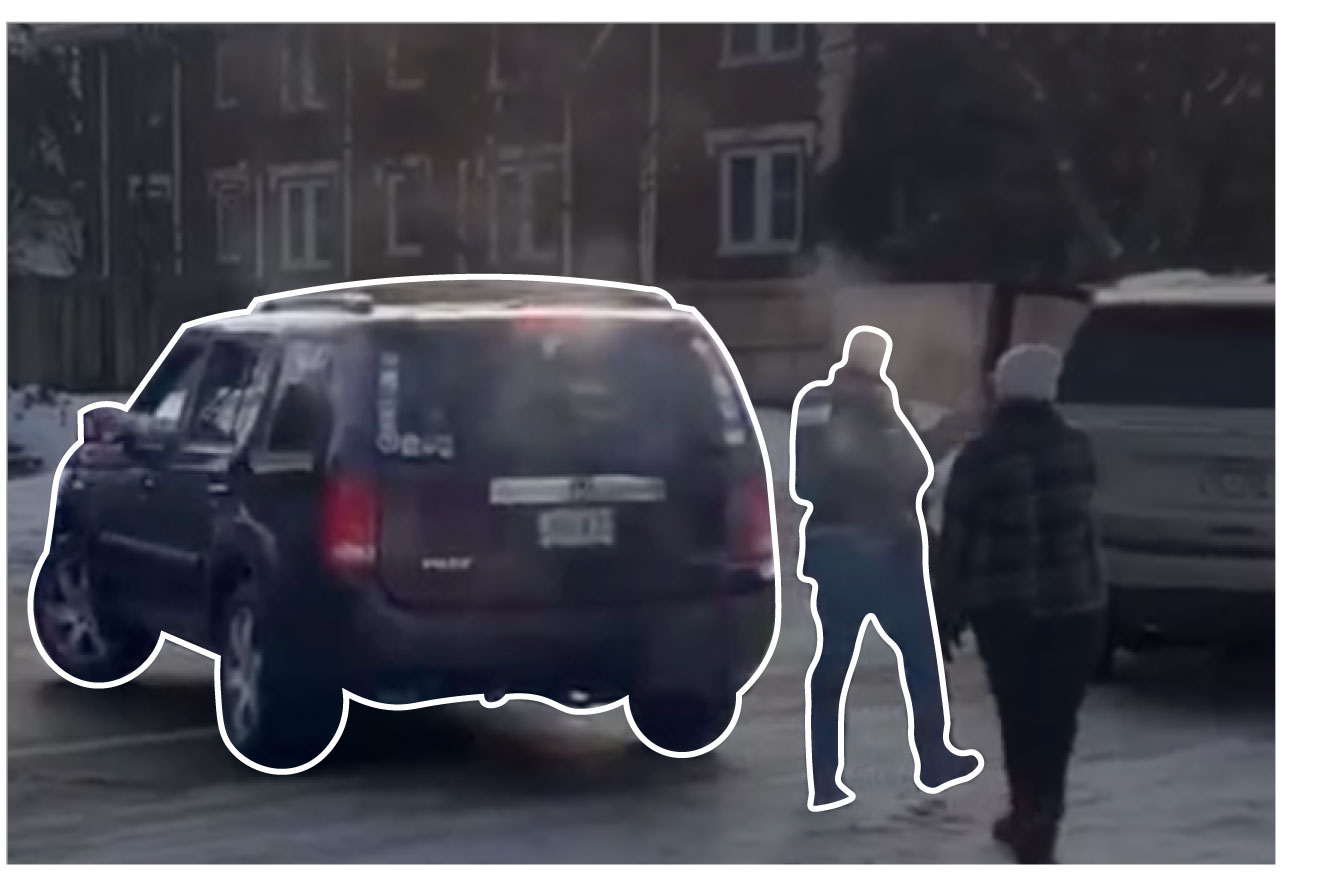
Minneapolis — A 37-year-old woman was fatally shot Tuesday afternoon during a federal immigration enforcement operation in South Minneapolis, an incident that quickly ignited protests, drew sharp rebukes from city officials, and prompted conflicting accounts from federal authorities and eyewitnesses.
The shooting occurred near the intersection of East 34th Street and Portland Avenue, an area where Immigration and Customs Enforcement officers were conducting what the Department of Homeland Security described as a targeted enforcement action. The woman, a United States citizen according to multiple local officials, was inside a vehicle at the time of the shooting. Her name had not been released by authorities as of Tuesday evening, pending notification of family members.
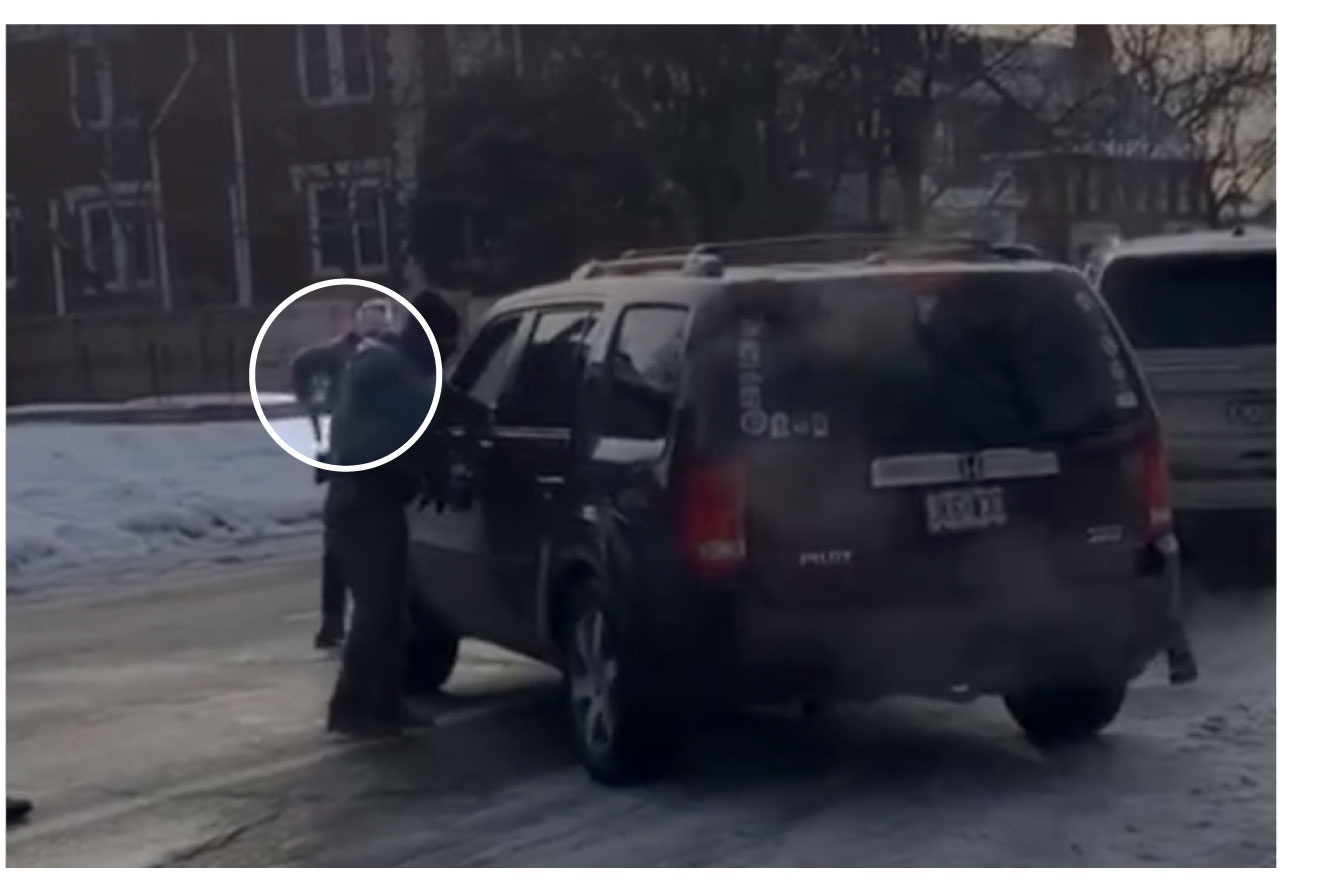
Video footage circulating widely on social media platforms including X, Instagram, and TikTok shows a chaotic scene: armed federal agents surrounding a vehicle, bystanders shouting, and moments later, gunfire. The videos do not clearly show the interior of the vehicle or the precise actions immediately preceding the shooting, but they have become central to public scrutiny of the incident.
Conflicting Accounts
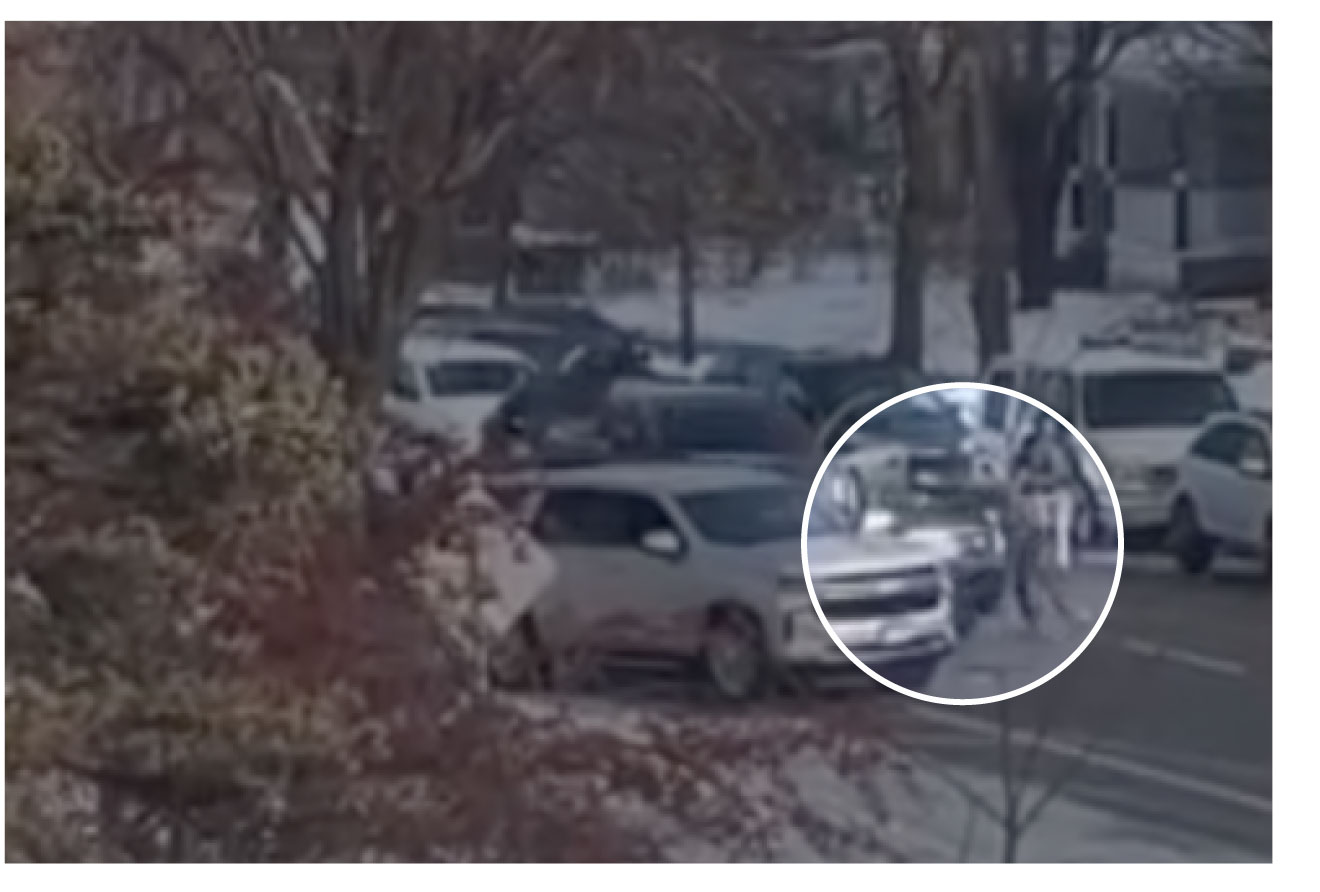
In a statement released hours after the shooting, Kristi Noem, the Secretary of Homeland Security, said the incident was an act of self-defense by an ICE officer responding to what she described as a “vehicular assault.”
According to Ms. Noem, officers were attempting to reposition their vehicles when the woman allegedly attempted to ram federal agents, prompting an officer to fire his weapon to protect himself and others. She characterized the incident as part of a broader pattern of threats against federal law enforcement and described such vehicle-related confrontations as “acts of domestic terrorism.”
Eyewitnesses and local officials strongly disputed that account.
Several bystanders interviewed by local media said the woman appeared to be attempting to leave the area after being told to move her car. In multiple videos, voices can be heard shouting at the driver to “get out” or “move,” followed almost immediately by gunfire. No weapon was visible in the vehicle, and Minneapolis police officials said they had no indication that the woman was armed.
Reaction From City Leaders
Mayor Jacob Frey of Minneapolis condemned the shooting in unusually blunt terms, calling the federal account “categorically false” after reviewing available video footage.
“Having seen the video myself, this was not self-defense,” Mr. Frey said at a press briefing. “This was a reckless use of force that resulted in the death of a civilian. ICE is not here to make our city safer.”
The mayor demanded that federal immigration agents cease operations within city limits, arguing that their presence had escalated tensions and undermined public safety.
Minnesota’s senior senator, Tina Smith, said she was seeking additional information and urged residents to remain cautious as protests spread throughout the city. “A U.S. citizen has apparently been shot by ICE in Minneapolis,” she wrote in a social media post. “The situation on the ground is volatile.”
Protests and Escalation
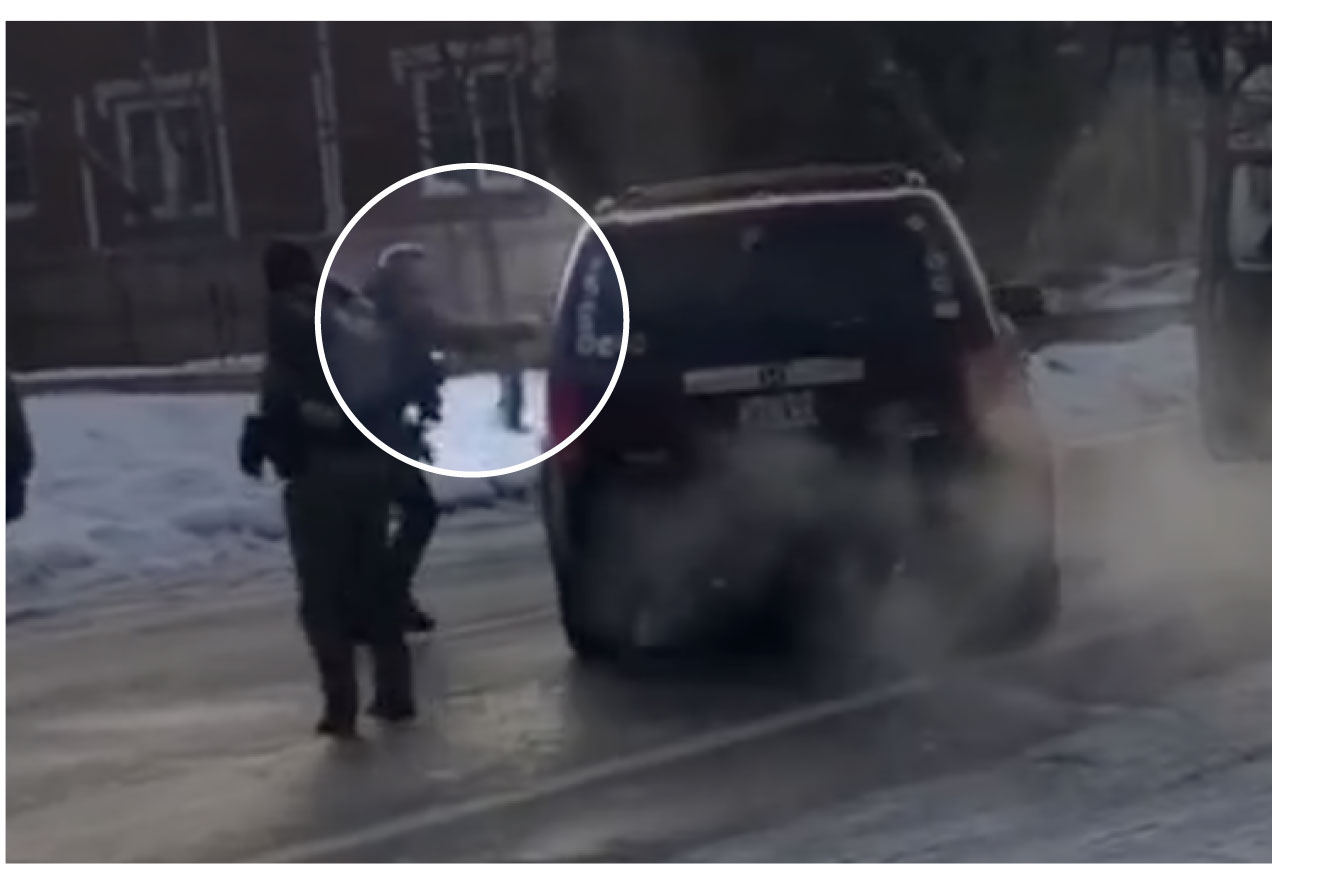
Within hours of the shooting, hundreds of protesters gathered near the site, chanting and confronting federal officers. Additional videos posted online show agents firing what appear to be less-lethal munitions to disperse crowds. Civil rights groups have long warned that such weapons, when used improperly, can cause serious injury or death.
The protests are the latest flashpoint in an increasingly tense relationship between federal immigration authorities and so-called “sanctuary cities,” including Minneapolis, which limits cooperation with ICE in many circumstances.
Earlier this week, federal officials announced the deployment of roughly 2,000 additional immigration and border enforcement personnel to Minnesota as part of a broader national crackdown. The announcement, accompanied by highly publicized appearances by senior officials, drew criticism from local leaders who said they had not been consulted.
Investigation Underway
The Department of Justice said Tuesday night that it had opened a review of the incident, which is standard procedure in cases involving fatal use of force by federal agents. It was not immediately clear whether the ICE officer involved had been placed on administrative leave.
Legal experts said the case could hinge on body-camera footage, radio communications, and forensic evidence that has not yet been made public.
“Any use of lethal force by law enforcement is judged on whether there was an imminent threat,” said Rachel Harmon, a professor at the University of Virginia School of Law who specializes in police accountability. “Video evidence will be crucial in determining whether that standard was met.”
Broader Implications
The shooting comes amid heightened national debate over immigration enforcement tactics under the Trump administration, which has expanded ICE operations in major metropolitan areas and emphasized aggressive enforcement.
Advocacy groups argue that the tactics have increased fear in immigrant communities and, increasingly, among citizens as well. “When operations are conducted in densely populated neighborhoods with little coordination with local authorities, the risk of tragedy rises dramatically,” said a spokesperson for the American Civil Liberties Union of Minnesota.
Federal officials, for their part, have defended the operations as necessary for public safety and have warned that interference with enforcement actions puts both officers and civilians at risk.
An Unsettled City
By nightfall, police barricades surrounded the intersection where the shooting occurred, candles and flowers marking the spot where the woman died. Protesters continued to gather nearby, demanding accountability and the release of all video evidence.
As investigators work to establish what happened in the moments before the fatal shots were fired, Minneapolis finds itself confronting painful questions about federal power, local authority, and the limits of force — questions that resonate far beyond one city block in South Minneapolis.
For now, much remains uncertain. What is clear is that the incident has deepened mistrust, intensified protests, and ensured that the actions of federal immigration authorities will face renewed scrutiny in the days ahead.