Canada didn’t “slowly drift” away from U.S. auto dominance — it snapped. And the numbers make the shift look less like a trend… and more like a takeover in plain sight.
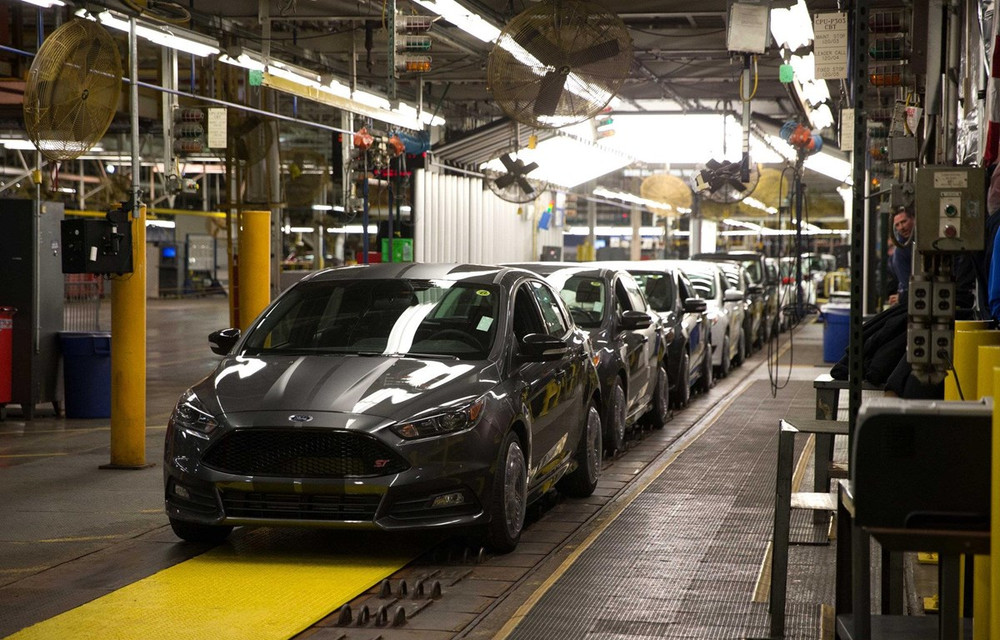
For decades, the script felt unbreakable: North America’s auto machine ran through Detroit, and Canada’s factories — especially across Ontario — were part of that DNA. If you wanted to understand Canadian vehicle production, you started with the Detroit Three and worked outward.
Now flip that script.
A decade of Canadian production data shows a jaw-dropping collapse in output — and an even more shocking collapse in who controls what’s left. In 2016, five automakers operating Canadian passenger-vehicle and light-duty truck plants assembled about 2.3 million vehicles. By 2025, that number was down to 1.2 million. That’s not a dip. That’s a near-halving of a national industrial engine.
But the real twist isn’t the total. It’s the power shift inside it.
In 2016, U.S.-based automakers accounted for 56% of Canada’s vehicle production. By 2025, they were down to 23% — while Japan-based automakers surged from 44% to 77%. The report calls this the biggest structural shift in Canada’s auto industry since the mid-1980s — and it reads like a warning label for anyone still living in the “Detroit runs everything” era.
Here’s the detail that hits like a punch: by 2024 and 2025, Honda and Toyota each built more vehicles in Canada than Ford, GM, and Stellantis combined. Not “close.” Not “competitive.” More than the three icons put together.
And it’s not just metal and machines — it’s people.
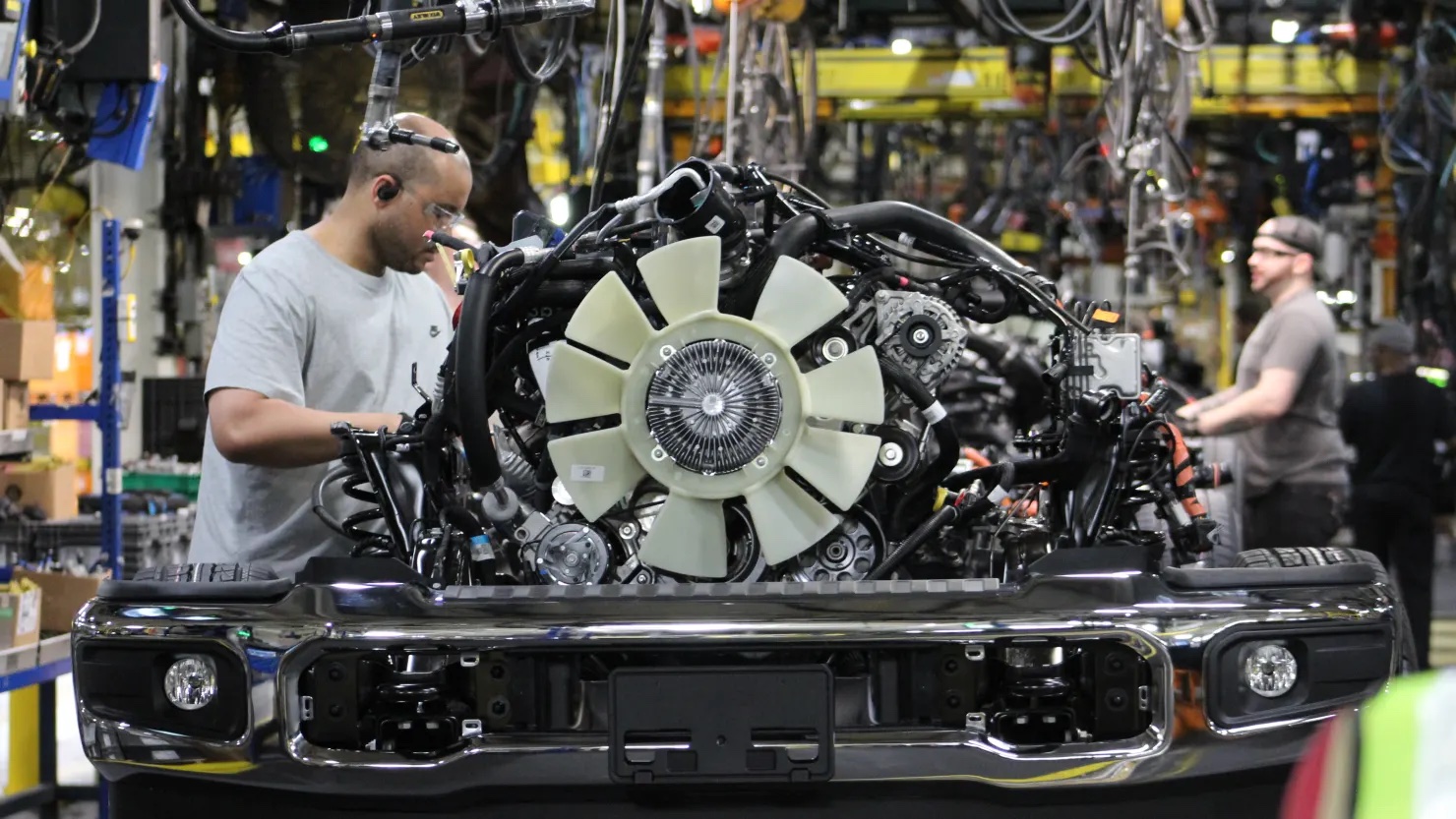
Assembly-plant employment fell from 32,700 workers (2015) to 23,732 (2024). Even more symbolic, the workforce balance inverted: U.S.-based automakers went from 60% of assembly employment (2015) to 38% (2024). When the people move, the center of gravity moves with them.
So what happened?
Part of it is philosophy — the cold difference between “quarterly profit center” thinking and “decades-long production network” thinking. Japan-based plants in Canada stayed steadier, keeping volume and stability while U.S.-based plants faced idling, underutilization, and repeated disruptions — the kind of churn that scares suppliers, drains communities, and breaks momentum.
Then came the pressure-cooker layer: tariffs and trade shocks that punish the most integrated supply chains first. The auto ecosystem isn’t built on national pride — it’s built on parts crossing borders again and again. When policy injects sudden friction, the biggest losers can be the companies most tied to the North American “all-in-one” manufacturing model.
And the pain is not theoretical. One industry report notes GM took a $1.1B operating-profit hit in Q2 2025 tied to tariff exposure, with warnings of billions more.
Now zoom out — because the next threat isn’t coming from Detroit or Tokyo. It’s coming from Shenzhen.
BYD’s sales surge has turned into a global alarm bell: the company logged over 4.27 million “new energy vehicle” sales in 2024 (a category that includes EVs and plug-in hybrids), flexing a scale that can bulldoze price points and rewrite markets.
That’s the nightmare scenario for an industry already destabilized: while legacy power shifts from American to Japanese control inside Canada, a Chinese giant with brutal scale economics stalks the edges of the market, daring regulators and consumers to choose between protection and affordability.
This is the part nobody wants to say out loud: Canada’s auto story isn’t just a production decline — it’s a reallocation of trust. Who keeps plants running? Who invests steadily? Who looks like they’ll still be here in ten years? Those answers shape purchasing, policy, and corporate decisions long before the public notices.
And by the time the headlines catch up, the takeover is already complete.