Canada Weighs China’s “Golden Deal” as Ottawa Faces a Defining Trade Reckoning
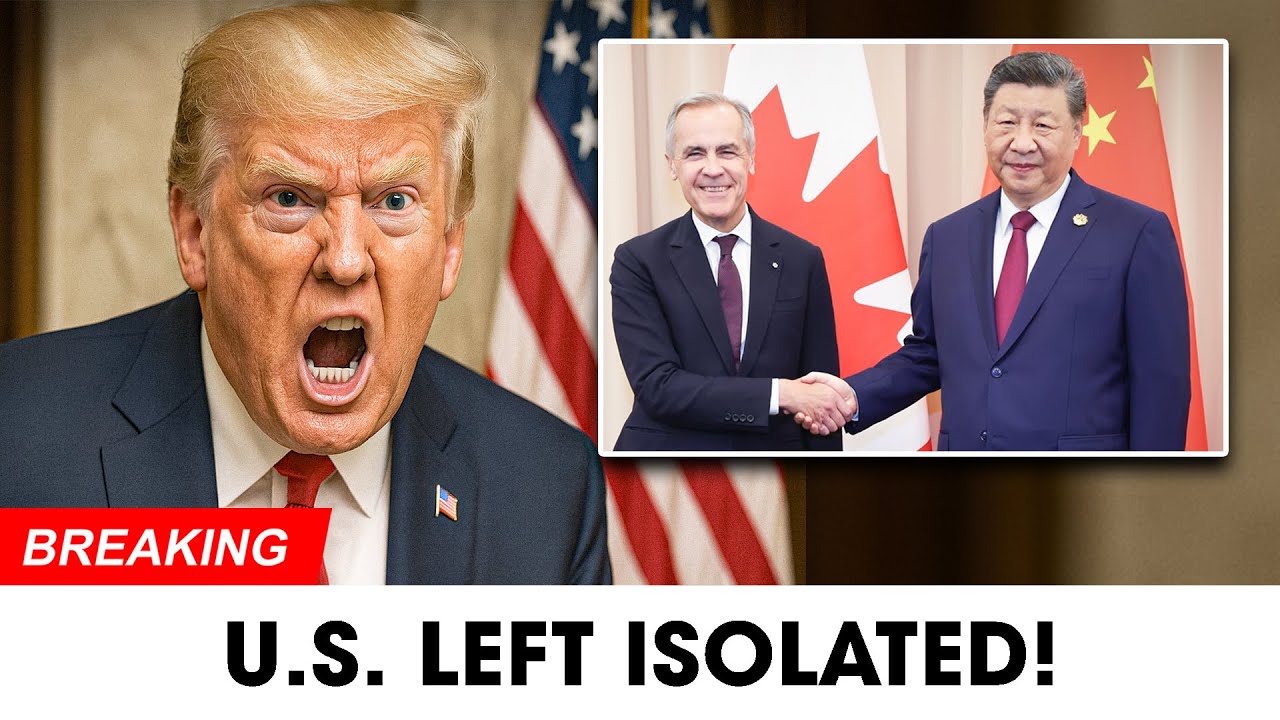
Canada’s long-frozen relationship with China may be entering a dramatic new phase after Beijing quietly floated what insiders describe as a “golden deal,” an offer that could reopen billions of dollars in agricultural trade almost overnight. According to senior officials, China has proposed scrapping all tariffs on Canadian farm products if Ottawa agrees to lift its 100% ban on Chinese electric vehicles, a move that has sent shock waves through political, agricultural, and diplomatic circles in Canada and triggered unease in Washington.
The proposal arrives at a moment of acute strain for Western Canada. Prairie farmers have endured months of collapsing prices, overflowing grain silos, and shuttered processing plants after China imposed punitive tariffs on canola, pork, and seafood. Canola exports alone, once worth nearly $5 billion annually, have plunged by more than 70%, leaving rural communities from Saskatchewan to Manitoba struggling to stay afloat. For many producers, Beijing’s offer looks less like a geopolitical maneuver and more like a lifeline.

Yet the origins of the crisis lie not in agriculture but in geopolitics. When Donald Trump returned to the White House, Ottawa aligned itself closely with Washington’s hard line on China, imposing sweeping tariffs on Chinese electric vehicles despite having little domestic EV manufacturing to protect. The decision was widely seen as a gesture of North American solidarity. The retaliation, however, landed squarely on Canada’s farm belt, not on the industrial heartland those tariffs were meant to defend.
China’s response was swift and targeted: nearly 76% tariffs on raw canola seed, 100% duties on canola oil and meal, and additional sanctions on pork and seafood. The message was unmistakable. Remove the EV tariffs, and agricultural trade resumes. Reject the offer, and the door to the world’s second-largest market stays shut. Prairie premiers have been blunt in their advice to Ottawa, urging the federal government to accept the deal and let farmers sell again before irreparable damage is done.
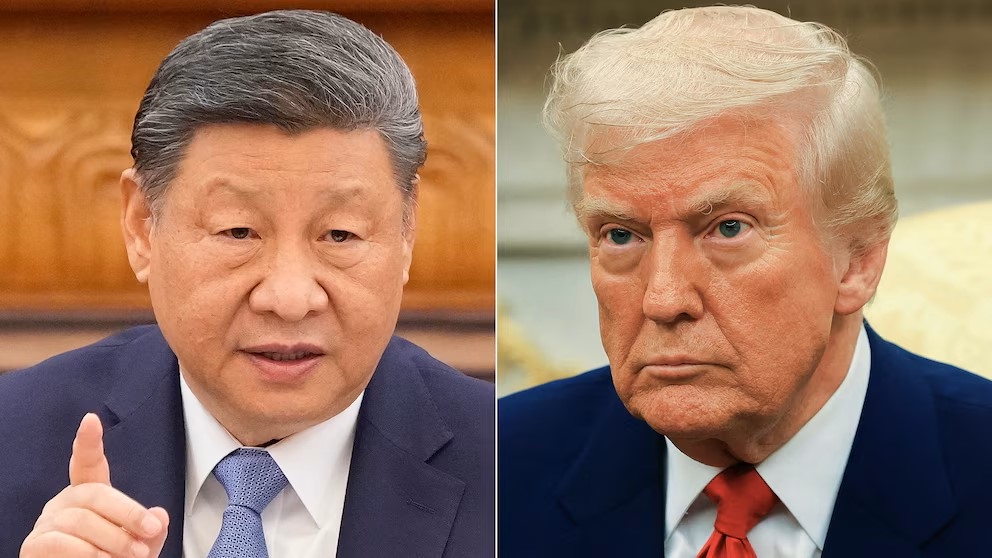
Inside Parliament, the debate has exposed deep national fault lines. Supporters of the deal argue that it would reassert Canada’s economic sovereignty and end a self-inflicted trade wound driven by U.S. priorities rather than Canadian interests. Critics counter that Beijing’s proposal amounts to economic coercion designed to divide the country, pitting Western farmers against Ontario’s powerful auto sector and testing Canada’s commitment to its closest ally.
Prime Minister Mark Carney now faces an unenviable choice. Ontario’s automotive industry, concentrated in politically decisive ridings, fears that lifting EV tariffs would unleash a wave of cheaper, technologically advanced Chinese vehicles, threatening tens of thousands of unionized jobs. Ontario Premier Doug Ford has called any rollback “economic suicide.” But in the West, patience is running out, as young farmers contemplate leaving their communities and credit tightens across rural economies.
The international context only sharpens the dilemma. China has all but abandoned U.S. soybeans, once its largest agricultural import, leaving American ports idle and costing U.S. farmers billions of dollars a year as Brazil captures most of that market. In that vacuum, Canada could reclaim its role as a reliable supplier, strengthening its position in global food security at a time when trust and predictability matter as much as price.
At its core, China’s so-called golden deal forces Canada to confront a larger strategic question: how much economic pain is Ottawa willing to absorb to preserve alignment with Washington, and where does national interest begin to outweigh alliance politics? The canola dispute has evolved into a test of Canada’s autonomy in a polarized global economy, with implications far beyond a single crop or sector.
Whatever decision Ottawa makes will reverberate for years. Accepting the deal could revive prairie economies and signal a more independent trade posture, but at the risk of angering the United States and unsettling domestic industry. Rejecting it may preserve alliance optics while deepening regional alienation and economic loss. For Canada, this is no longer just a trade negotiation. It is a defining moment about identity, balance, and how the country navigates power between rival giants in an increasingly fractured world.