Before Facing Trump, Zelenskyy Makes a Strategic Stop in Canada — And It Speaks Volumes
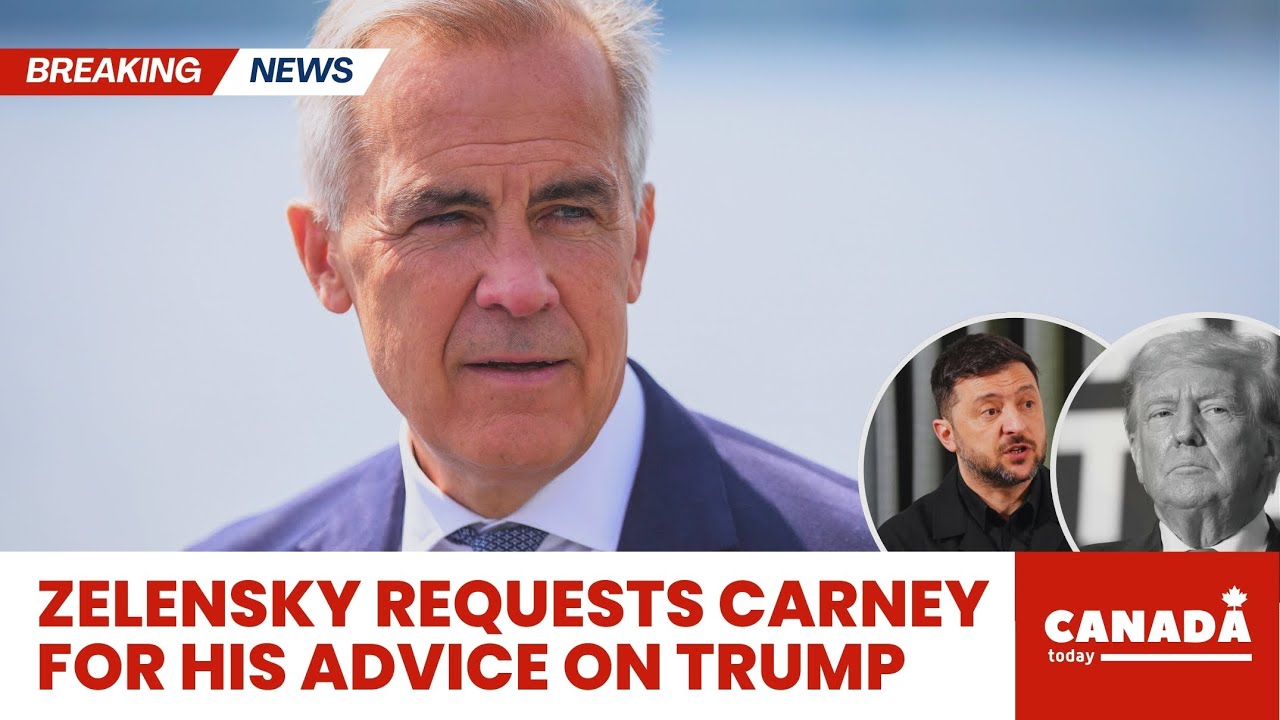
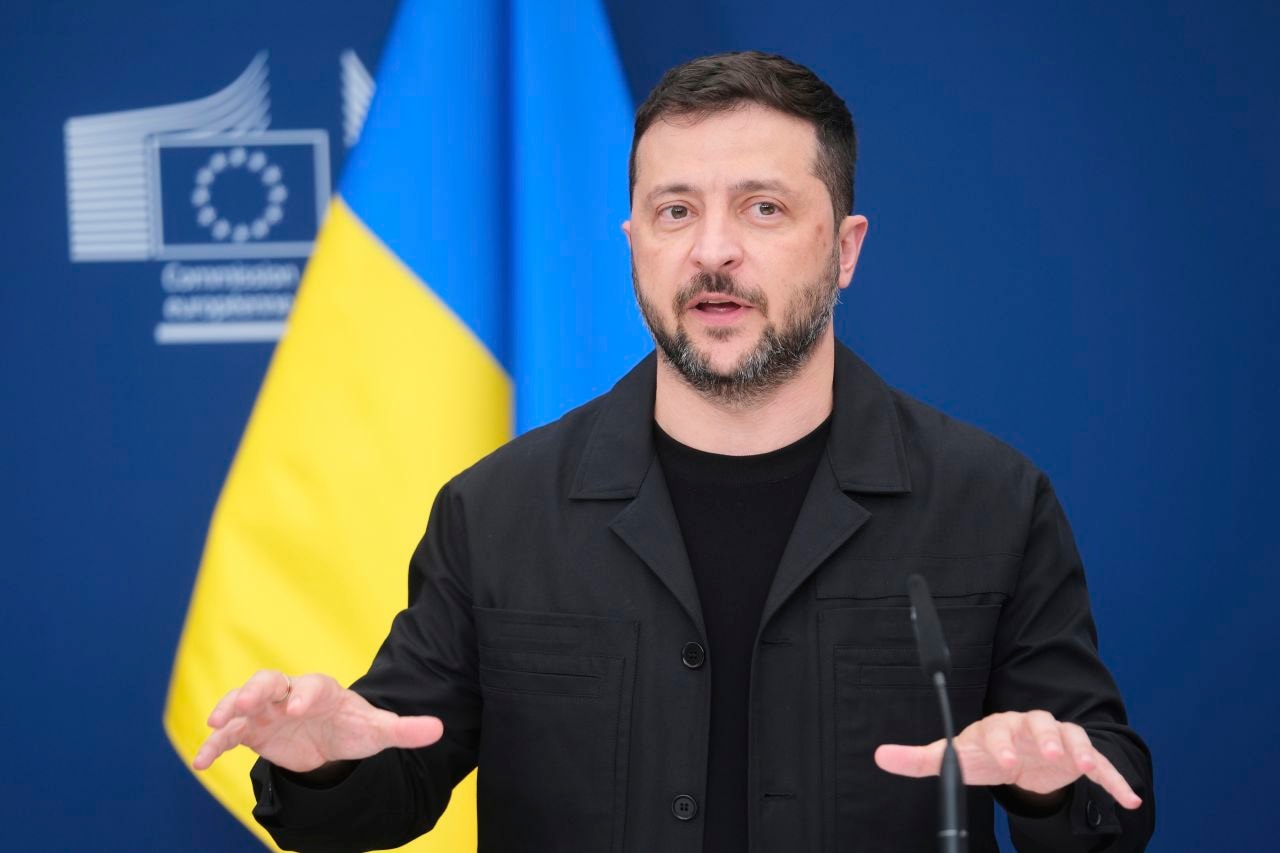
Ukrainian President Volodymyr Zelenskyy is preparing for one of the most consequential meetings of his presidency: a face-to-face encounter with Donald Trump in Florida that could shape the future of Ukraine, Russia, and European security. Yet before stepping into that high-pressure room, Zelenskyy made a deliberate and highly calculated move — he stopped in Halifax to meet Canadian Prime Minister Mark Carney. In the world of diplomacy, such detours are never accidental. This one sent a clear message.
At a moment when every word, gesture, and alliance matters, Zelenskyy chose not Washington, Brussels, or NATO headquarters, but Canada. Specifically, he chose Mark Carney — a leader increasingly viewed as a steady hand in times of global crisis. The visit underscored that Canada’s role in the Ukraine conflict is no longer peripheral. Under Carney, Ottawa is emerging as a quiet but influential center of diplomatic gravity, a place where strategy is refined before history is made.
Carney’s appeal lies not in theatrical politics, but in credibility. World leaders see in him a rare combination of economic expertise, crisis management experience, and political restraint. Crucially, he is also perceived as someone who understands Donald Trump’s negotiating style — the pressure tactics, the transactional framing, and the emphasis on perceived strength. For a leader like Zelenskyy, preparing to face Trump’s unpredictability, that insight is invaluable.
Standing beside Zelenskyy, Carney delivered a message that was calm, precise, and unmistakably firm. He reaffirmed Canada’s unwavering support for Ukraine, announcing an additional $2.5 billion in economic assistance designed to unlock further financing from the IMF, World Bank, and European development institutions. He spoke of peace, but not peace built on illusion. Any lasting settlement, Carney emphasized, requires a willing Russia — something recent attacks on Kyiv have once again called into question.
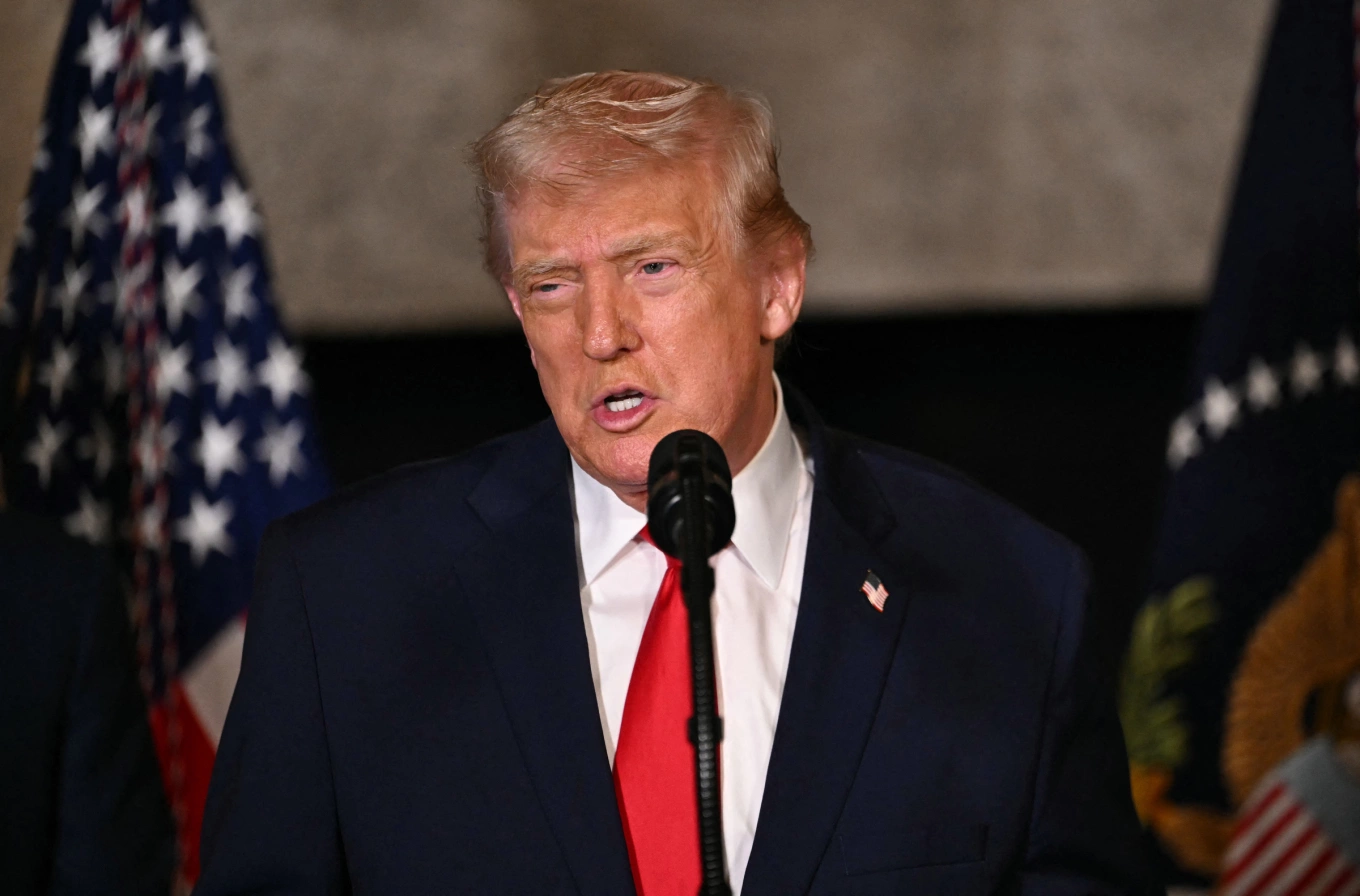
Zelenskyy’s response revealed why this meeting mattered so deeply. His words carried gratitude, but also urgency. He detailed the scale of Russia’s latest assault — hundreds of drones and missiles — and made clear that diplomacy without strong defense is a dangerous fantasy. What Ukraine needs, he stressed, is sustained pressure on Russia and meaningful military and economic support. His tone suggested not a leader seeking sympathy, but one aligning strategy before a pivotal negotiation.
What unfolded in Halifax was not a photo opportunity, but real diplomacy. Zelenskyy listened closely as Carney spoke, absorbing not just policy commitments but the framing itself — language clearly designed to resonate beyond Canada, including in Washington. These were signals, carefully calibrated, aimed at shaping how Ukraine’s position would be perceived when Zelenskyy sits across from Trump.

The symbolism is hard to ignore. A president heading into a defining conversation does not seek counsel lightly. By choosing Carney first, Zelenskyy signaled that Ukraine is neither isolated nor desperate. It is supported by allies with credibility, resources, and global influence. Canada, once seen as a supporting actor, is asserting itself as a trusted partner whose voice carries weight in the highest diplomatic circles.
Halifax, then, was not a footnote. It was a strategic prelude. It showed that Canada matters, that Mark Carney matters, and that Zelenskyy understands where real leverage lies. In an era of volatile geopolitics and fragile alliances, quiet leadership can shape outcomes just as powerfully as loud declarations. Before the world turns its attention to Florida, it should take note of what happened in Canada — because that conversation may echo far beyond the room where Trump and Zelenskyy finally meet.