CBC Presses Mark Carney in Tough Interview — His Calm, Strategic Confidence Sends a Powerful Message
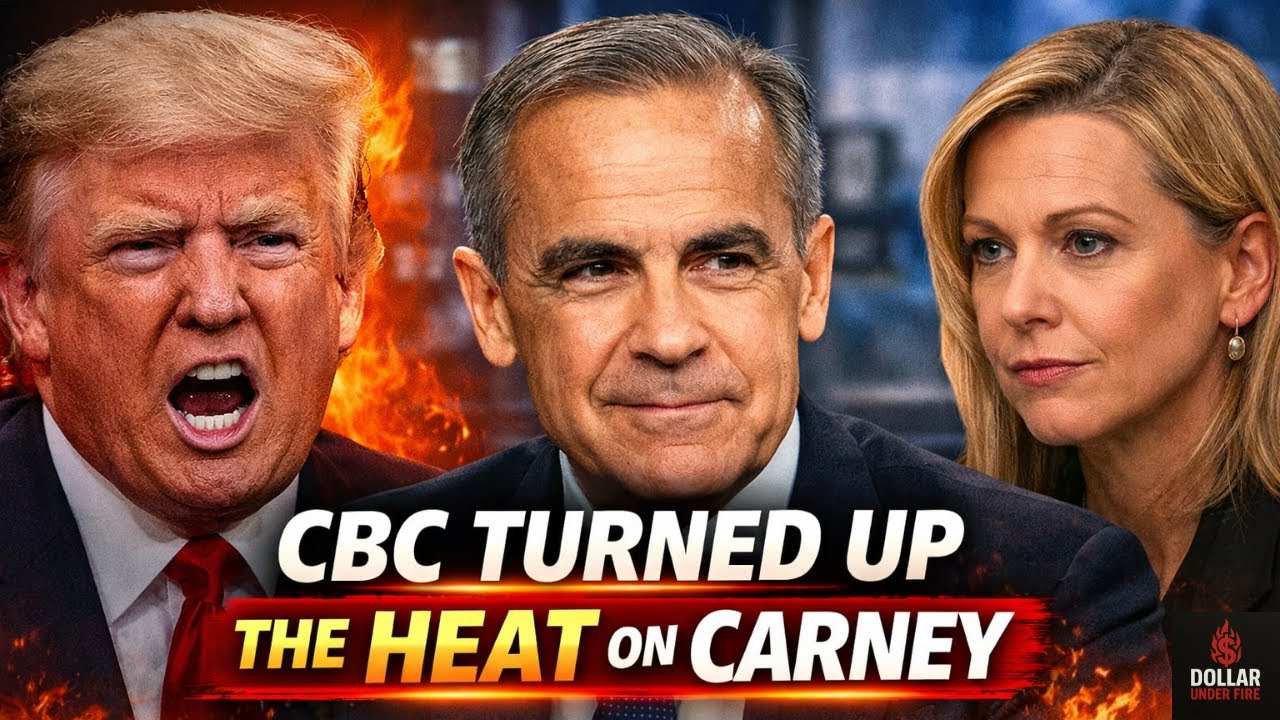
Mark Carney’s year-end interview with CBC was anything but comfortable. There were no soft landings, no rehearsed talking points, and no effort to ease him into the discussion. From the opening moments, the focus was sharp and confrontational, centering on Donald Trump, looming tariffs, and whether Canada is truly prepared for renewed economic instability.
Rather than deflect or soften his tone, Carney surprised critics by doing the opposite. He remained composed, measured, and unmistakably confident. As CBC pressed harder on trade risks and U.S. unpredictability, Carney did not dramatize the threat. Instead, he framed the moment as one of strategy, insisting that Canada must think long-term rather than react emotionally.
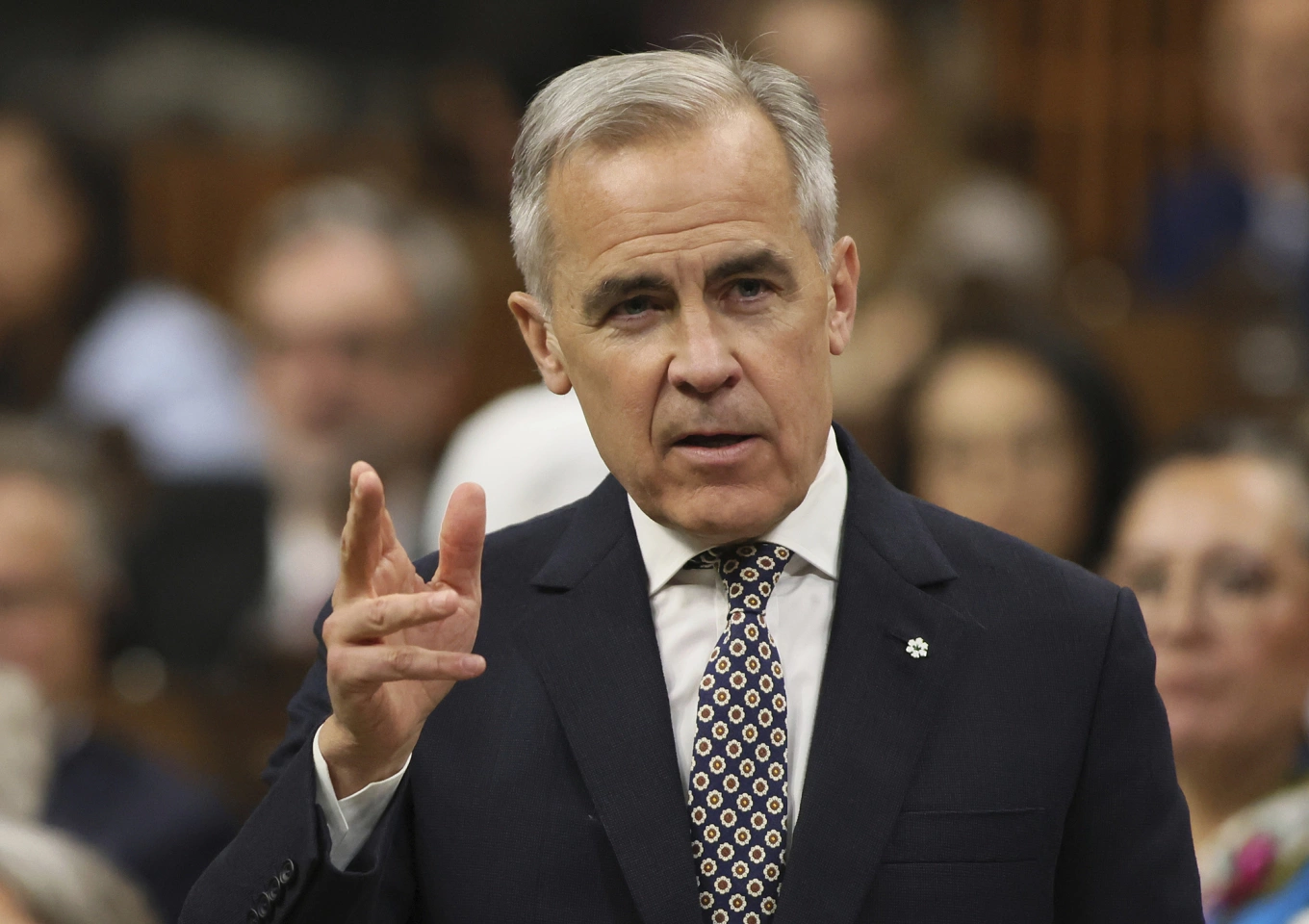
A pivotal moment came when Carney reframed the U.S.–Canada relationship as a choice for Washington itself. He asked whether the United States wants stability in North American supply chains — from autos to steel and aerospace — or chaos that benefits global competitors like China. Without accusing or threatening, he exposed a contradiction many policymakers avoid confronting.
CBC then challenged Carney on China, citing his past warnings that Beijing represents Canada’s greatest security threat. Carney dismantled the apparent contradiction with a blunt principle: dependence is weakness. He acknowledged that Canada relied too heavily on the United States for decades and made clear that era is over. Diversification, not abandonment, is now the goal.
When asked whether Donald Trump represents the biggest threat heading into 2026, Carney refused to center Canada’s future on one individual. Negotiations may be tense, he admitted, but Canada’s real leverage lies in strengthening its economy at home, expanding global trade ties, and reducing vulnerability to external shocks.
The most aggressive challenge came when CBC accused Canada of backing down — pausing retaliatory tariffs, shelving the digital services tax, and issuing apologies. Carney responded by flipping the narrative. Canada, he argued, is stronger than it was nine months ago because it stopped performing for headlines and started building real economic capacity and negotiating leverage.
Carney’s most cutting line landed quietly but decisively: you cannot control Donald Trump, but you can control Canada. Strength, he said, is not measured by volume or confrontation, but by preparation, resilience, and insulation from chaos. That philosophy separated reactionary politics from strategic leadership.
By the end of the interview, what began as an interrogation became a revealing portrait of governance. Carney offered no drama and no viral sound bites — only discipline, consistency, and direction. In a world defined by volatility, his message was clear: calm is not weakness. It is leverage, and Canada is positioning itself accordingly.