By late this week, a political dispute that once seemed confined to sharp words and diplomatic posturing had hardened into something far more serious. Several European officials, speaking with unusual bluntness, publicly described the United States under former President Donald Trump as a “systemic adversary,” a phrase more commonly reserved for strategic rivals such as Russia or China. The language marked one of the most striking rhetorical breaks between Washington and its traditional allies in decades.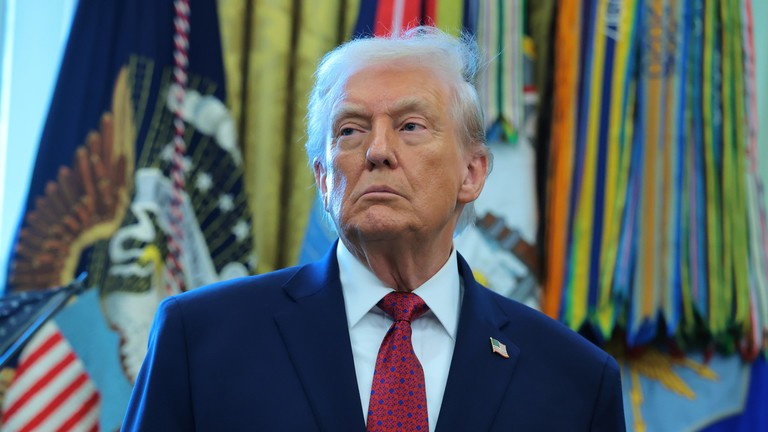
The comments followed a series of escalating confrontations that began quietly but intensified rapidly. According to European diplomats familiar with the discussions, private meetings among senior defense and foreign policy officials in recent weeks revealed deep frustration over what they see as Washington’s increasingly unilateral posture. While official statements were carefully calibrated, those present at the talks said the tone behind closed doors was far sharper, with some officials warning that the transatlantic relationship had entered a “dangerous new phase.”
At the center of the dispute is a broader concern about predictability and trust. European leaders have grown alarmed by renewed threats of sanctions, aggressive trade language, and what they view as a willingness by Mr. Trump to leverage security guarantees for political or economic concessions. “This is no longer just about policy disagreements,” said one senior European official, who requested anonymity to speak candidly. “It is about whether the United States still sees its allies as partners rather than pressure points.”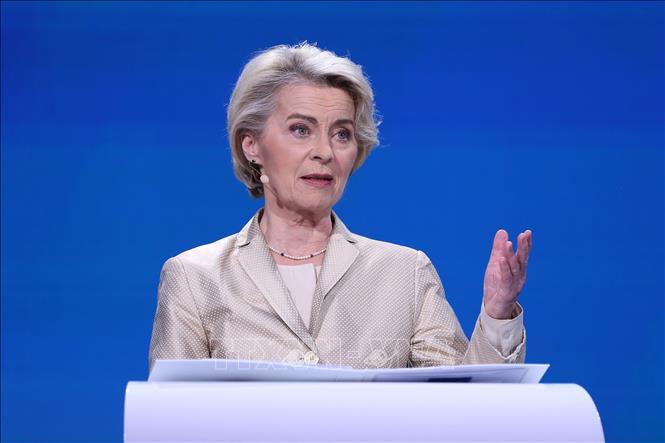
One issue that has reignited tensions is the resurfacing of American interest in Greenland, a strategically vital Arctic territory rich in rare earth minerals and critical shipping routes. While Denmark has long dismissed any suggestion of a transfer of sovereignty, renewed comments from figures close to Mr. Trump have unsettled officials in Copenhagen and beyond. In private briefings, European defense planners have warned that increased great-power competition in the Arctic could easily become a flashpoint, particularly as climate change opens new sea lanes and resource opportunities.
Publicly, European governments have tried to strike a measured tone. Leaders in Paris and Berlin emphasized that the United States remains a key ally and that NATO commitments still stand. Yet the unusually stark language used by a senior French military official this week suggested how strained the relationship has become. By describing Washington as a “systemic adversary,” he appeared to signal that Europe must now plan for scenarios once considered unthinkable.
The United States State Department rejected the characterization, calling it “inflammatory and inaccurate.” In a statement, officials insisted that transatlantic cooperation remains essential to global security and accused European leaders of overreacting to campaign rhetoric. Allies of Mr. Trump, meanwhile, argued that Europe has grown too dependent on American security guarantees and should shoulder more responsibility for its own defense.
Still, the fallout has been swift. European Union officials confirmed that discussions are underway about new defensive cooperation frameworks designed to reduce reliance on U.S. systems. While no formal sanctions against American officials have been announced, several governments are reportedly considering reciprocal travel restrictions in response to recent U.S. measures targeting European figures.
The dispute has also ignited a storm online. Clips of speeches, leaked remarks, and sharp exchanges have spread rapidly across social media platforms, fueling speculation about a broader geopolitical realignment. Analysts caution, however, that viral outrage can obscure more than it reveals. “What we’re seeing is a clash of narratives amplified by digital media,” said a transatlantic relations expert at a Washington think tank. “But beneath that is a real strategic debate about power, trust, and the future of alliances.”
For now, diplomats on both sides say they are working to contain the damage. Back-channel communications continue, and several European leaders are expected to seek direct talks with Washington in the coming weeks. Yet many acknowledge that even if tensions cool, something fundamental has shifted.
The question hanging over capitals from Brussels to Washington is no longer whether relations can return to the status quo, but whether the old assumptions that defined the postwar alliance still apply at all.