Trump’s Claim of a “Fake” Epstein Letter Backfires, Igniting Fresh Questions About DOJ Credibility
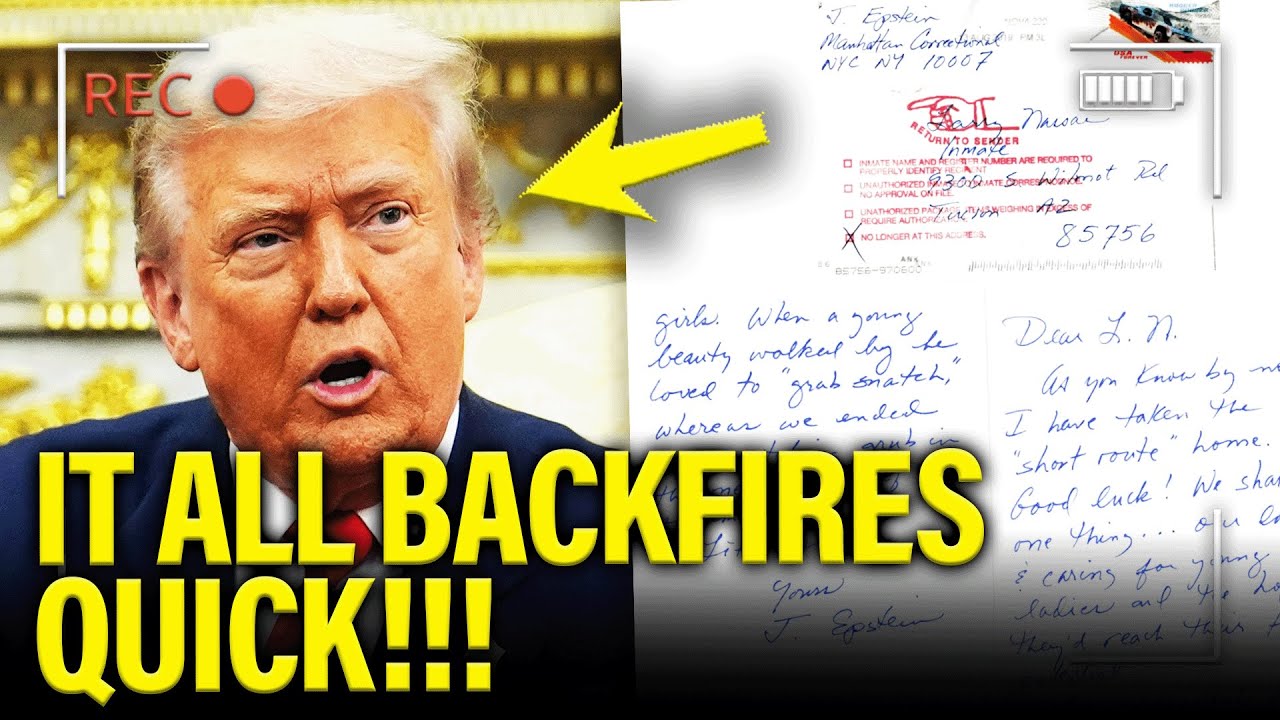
A claim meant to shut down scrutiny has instead reignited it. Donald Trump’s allies and the Justice Department now insist a controversial letter linked to Jeffrey Epstein is fake, but the timing and handling of that assertion have triggered a new wave of backlash, suspicion, and outrage from journalists, legal experts, and survivors.
The letter in question, allegedly sent by Epstein to convicted abuser Larry Nassar, surfaced in previously released Epstein files. Its contents were disturbing, referencing sexual abuse and implying presidential awareness. Reporters who covered the document were careful not to authenticate it, noting it had been flagged for forensic handwriting analysis years ago, with no public results ever released.
That context is now central to the controversy. Critics argue that if federal authorities believed the letter was fake, they should never have released it alongside thousands of legitimate records without clarification. The DOJ’s explanation only came after public reporting drew attention to the document, raising questions about why it remained in official files for years.
Survivors of Epstein’s abuse reacted with anger and alarm. Advocacy voices say the presence of allegedly fake documents inside a case involving child sexual exploitation is deeply troubling. If false records were intentionally created or knowingly released, they argue, it represents a betrayal of survivors and a corruption of justice that demands accountability.
Legal analysts have also expressed disbelief at the DOJ’s handling of the matter. Former prosecutors noted that authenticating a single document would have taken minimal time and resources, especially given the sensitivity of the Epstein case. The failure to do so before release has been described as either staggering incompetence or deliberate obfuscation.

The controversy is compounded by broader concerns over selective disclosure. Observers point out that the document dump contained extensive references to Bill Clinton while producing little new material related to Trump, a statistical imbalance critics say defies chance and further undermines public trust in the process.
At the heart of the backlash is credibility. Once the DOJ labels a document fake after releasing it, the public is left questioning the integrity of the entire archive. Journalists warn that this confusion risks discrediting real evidence and retraumatizing survivors who have waited years for transparency.
Instead of closing the book, the “fake letter” claim has opened a larger one. Calls are growing for the release of the handwriting analysis, a full accounting of how the document entered the files, and clear standards for future disclosures. Until those questions are answered, the Epstein records—and the government agencies handling them—remain under an even darker cloud.