WASHINGTON — An emergency federal hearing has been scheduled that could halt one of the most controversial White House projects in modern history: a sweeping ballroom construction plan championed by Donald Trump that critics say may have crossed both legal and constitutional lines. What began as a quiet administrative dispute has rapidly escalated into a high-stakes confrontation over executive authority, historic preservation, and the limits of presidential power.
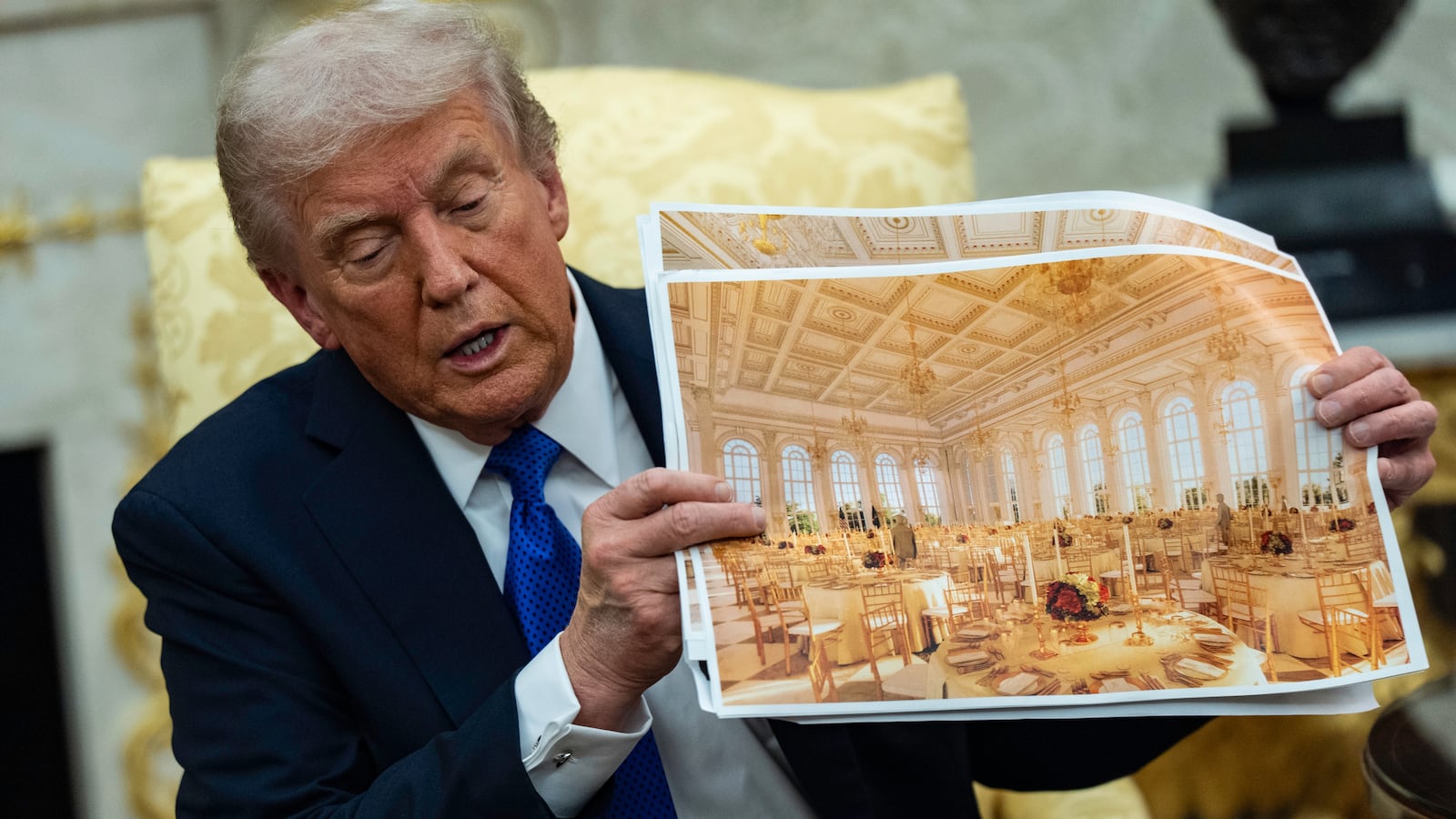
According to court filings, the hearing was triggered after preservation advocates and former government officials filed an injunction request arguing that the proposed construction violates long-standing federal preservation statutes governing the White House complex. The plaintiffs contend that the project, described as a large-scale ballroom intended for official and semi-private events, was approved through executive channels without the legally required review process.
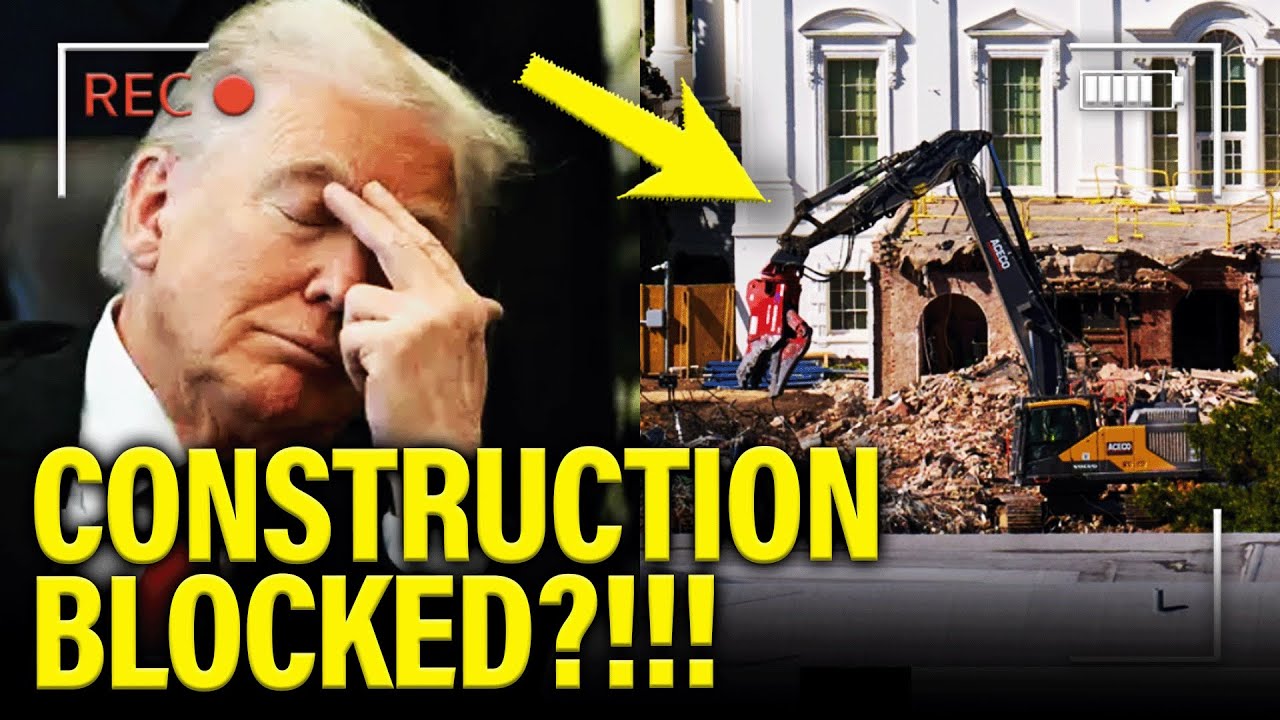
At the heart of the case is a fundamental question: who has ultimate authority over alterations to the nation’s most symbolically significant public building?
A Project That Sparked Immediate Alarm
Supporters of the ballroom have framed it as a “legacy enhancement,” arguing that the White House lacks sufficient space for large formal events and that previous administrations quietly explored similar expansions. But opponents say the scale, speed, and secrecy of the current plan set it apart.
“This is not about aesthetics,” said one former National Park Service official familiar with the dispute. “It’s about whether preservation law applies equally to everyone — including a president.”
The White House is subject to multiple layers of legal protection, including historic preservation requirements designed to prevent unilateral or politically motivated alterations. Plaintiffs argue that bypassing those safeguards sets a dangerous precedent, effectively allowing any administration to reshape national symbols without oversight.

Executive Power vs. Preservation Law
Legal experts say the emergency nature of the hearing reflects the court’s concern that construction could advance beyond a point of no return before the underlying legal questions are resolved.
“When courts schedule emergency hearings like this, it’s usually because there’s a credible risk of irreversible harm,” said a constitutional law professor. “In this case, the harm would be permanent alteration to a protected historic site.”
The administration, according to filings, argues that the president has broad discretion over the use and modification of the White House, citing executive authority and historical practice. Government attorneys have reportedly asserted that the project falls within internal operational control and does not require external approval.
That argument is expected to face intense scrutiny in court.
Why the Stakes Are So High
Beyond the physical structure itself, the case has taken on outsized significance because it touches on unresolved tensions between executive privilege and statutory limits. Preservation laws were designed precisely to prevent powerful actors from making unilateral decisions about national landmarks, regardless of intent.
Critics warn that if the administration prevails, the ruling could weaken preservation protections nationwide.
“If the White House can be altered without review, then no historic site is truly protected,” said one attorney involved in the challenge.
Members of Congress have also taken notice. Several lawmakers have called for briefings on how the project was approved and whether federal agencies were pressured to sign off without proper analysis. While no formal investigation has been announced, aides say oversight discussions are underway.
A Politically Charged Backdrop
The timing of the hearing adds to its volatility. With political tensions already high, the ballroom dispute has become a proxy battle over transparency, norms, and institutional restraint. Supporters of Trump have dismissed the lawsuit as partisan obstruction, accusing critics of weaponizing preservation law to block a presidential initiative.
Opponents counter that the issue would be the same regardless of who occupies the Oval Office.
“This isn’t anti-Trump or pro-Trump,” one preservation advocate said. “This is about the rule of law.”
What Happens Next
The emergency hearing will determine whether construction must be paused while the case proceeds. If the judge grants the injunction, the project could be frozen for months — or indefinitely. If not, work could continue even as legal challenges move forward, raising the risk that courts may later rule on a structure that already exists.
Either outcome is likely to reverberate far beyond the West Wing.
As one former federal judge observed, “Cases like this aren’t really about bricks and mortar. They’re about whether power is constrained by law, or whether law bends to power.”
With the hearing looming and tensions rising, the clash over the Trump ballroom has evolved into something far larger than a construction dispute. It is now a defining test of executive authority, institutional limits, and who ultimately decides the fate of America’s most iconic public building.