JUST IN: EUROPE SAYS ENOUGH — WORLD CUP 2026 SPIRALS AS POLITICS SWALLOW FIFA
With just months before kickoff, the FIFA World Cup 2026 is facing an unprecedented political storm. Designed as the biggest tournament in football history — 48 teams, 104 matches, and host cities across the United States, Canada, and Mexico — the event is now being debated less as a sporting celebration and more as a geopolitical flashpoint. Calls for boycotts, parliamentary debates, and public petitions across Europe have transformed World Cup 2026 into a referendum on the limits between sport and state power.
Pressure first erupted in the Netherlands, where more than 150,000 citizens signed a petition urging their national team to stay home. Similar unease has surfaced in Germany and the United Kingdom, with lawmakers openly questioning whether participation would signal implicit approval of U.S. political actions. While national football federations have largely resisted boycott demands, the scale of public engagement reveals how deeply political concerns have penetrated football culture — a space traditionally insulated from foreign policy.
At the center of the controversy is the role of the United States under Donald Trump, whose administration has been closely intertwined with tournament preparations. A White House task force chaired by Trump, visa enforcement concerns, tariff threats against European allies, and high-profile military actions abroad have fueled fears that the World Cup could become a stage for political messaging rather than neutral competition. For many critics, the optics matter as much as the policies themselves.
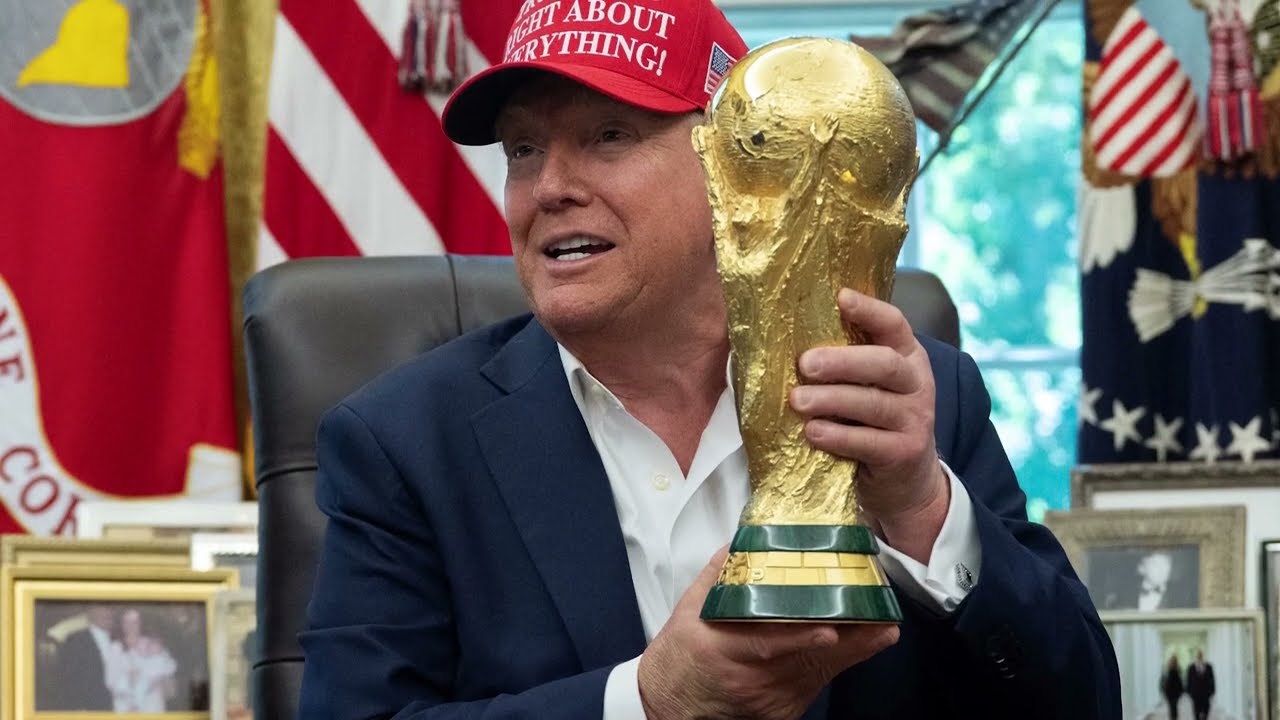
Those concerns intensified as FIFA leadership appeared increasingly aligned with Washington. Gianni Infantino has made multiple public appearances alongside U.S. officials, opened a FIFA office in Trump Tower, and confirmed that Trump will personally present the World Cup trophy in July 2026. Symbolic moments — from political ceremonies overlapping football events to controversial awards — have reinforced the perception that institutional distance between FIFA and state power has narrowed dramatically.
Meanwhile, co-hosts Canada and Mexico find themselves navigating diplomatic strain alongside logistical preparation. Canadian Prime Minister Mark Carney has been forced to respond to provocative rhetoric from Washington even as his country prepares to welcome the world. Mexico has raised parallel concerns following warnings of potential unilateral action. Together, these tensions undermine the image of continental unity that the tournament was meant to showcase.
Despite FIFA’s insistence that a full boycott remains unlikely — given massive financial commitments, sponsorship deals, and infrastructure investments — the damage may already be done. World Cup 2026 will be judged not only by goals, attendance, or revenue, but by whether it can preserve credibility as a global sporting event amid rising political pressure. As the opening whistle approaches, one question looms larger than any lineup or tactical debate: can football still claim neutrality when the world’s most powerful stage is this politically charged?