TRUMP BLINDSIDED as Canada FLIPS 15% Tariff Strategy — DOUG FORD & MARK CARNEY Lead Calculated Response
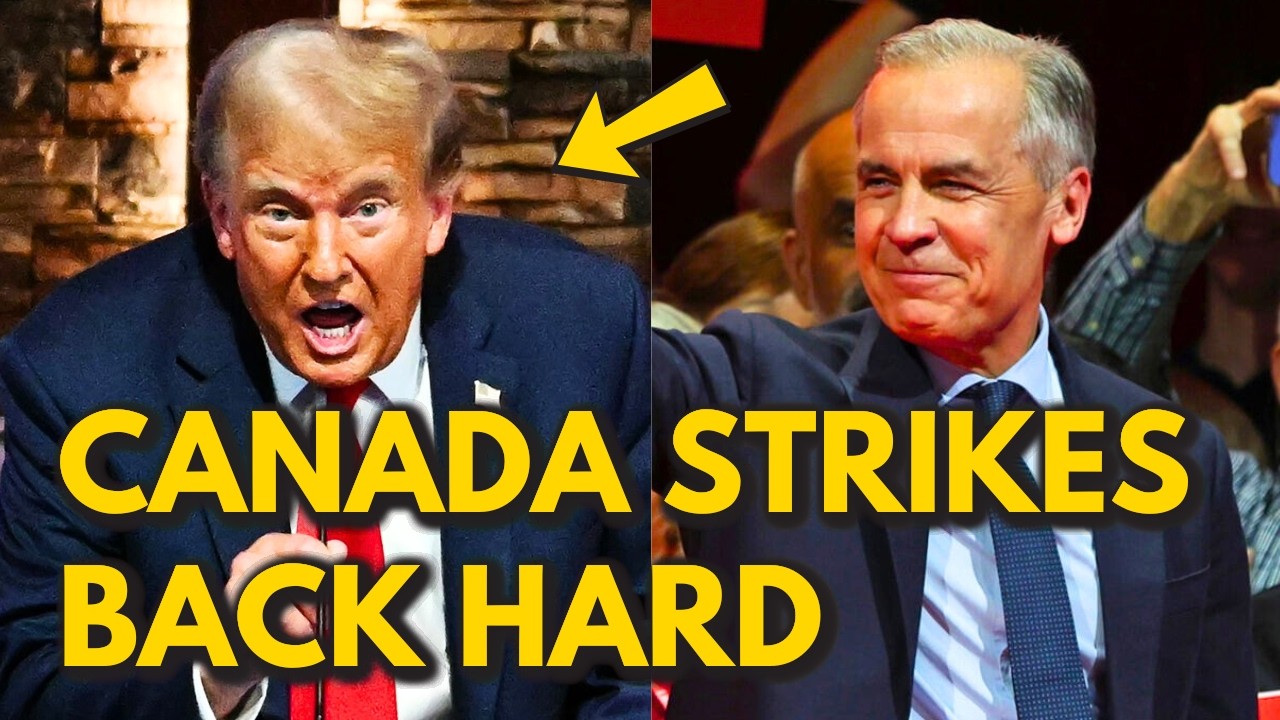
In the escalating trade tensions between the United States and Canada, President Donald Trump has proposed a sweeping 15% global tariff that could reshape North American supply chains. Canadian leaders, including Ontario Premier Doug Ford and Prime Minister Mark Carney, have opted for a measured approach, emphasizing domestic strengthening over hasty negotiations. This strategy involves reducing regulatory hurdles, accelerating infrastructure projects, and securing critical minerals to bolster Canada’s economy. By framing these tariffs as potential taxes on American consumers, Canada aims to highlight the mutual costs involved. As political fractures emerge in Washington amid midterm calculations, the move raises questions about long-term bilateral relations and economic stability.
Background on the Tariff Dispute
The roots of this trade conflict trace back to President Trump’s announcements in early 2025, where he signaled intentions to impose broad tariffs on imports to protect U.S. manufacturing. Initially set at 10% following a Supreme Court ruling that limited his authority on emergency tariffs, Trump escalated to a 15% global rate, affecting partners worldwide, including Canada. This policy builds on previous actions, such as doubled tariffs on Canadian steel and aluminum, which were briefly imposed and then rescinded after negotiations. The tariffs are positioned as a response to perceived unfair trade practices, but they have sparked retaliatory measures from Canada, including a 25% surcharge on electricity exports to U.S. states like Michigan, Minnesota, and New York.
Trump’s strategy also includes specific hikes, such as 25% on Canadian automobiles, which Prime Minister Carney described as a “direct attack” on Canada’s economy. These moves have been framed by the U.S. administration as necessary for national security and economic revitalization, but critics argue they could inflate consumer prices and disrupt integrated supply chains. The dispute has historical echoes in past trade wars, yet the current scale, involving a potential 15% blanket tariff, amplifies risks for both nations’ intertwined economies.
Canada’s Calculated Response
Rather than rushing into concessions, Canada has adopted what officials term an “economic war” posture, prioritizing internal reforms to weather the storm. This includes cutting red tape to streamline business operations, fast-tracking infrastructure developments, and ensuring control over critical minerals essential for industries like electric vehicles and technology. By reframing tariffs as burdens on American buyers—potentially raising U.S. grocery and manufacturing costs—Canadian leaders seek to shift public opinion south of the border.
This patient strategy leverages timing, anticipating U.S. midterm elections where trade policies could become divisive. Initiatives like a CA$2 billion strategic response fund aim to safeguard jobs in affected sectors, such as autos and metals. Additionally, actions like Ontario’s anti-tariff advertising campaign, which featured historical figures advocating free trade, underscored Canada’s commitment to dialogue while standing firm. Although this ad prompted Trump to halt talks temporarily, it highlighted Canada’s willingness to use public messaging as a tool.
Key Roles of Doug Ford and Mark Carney
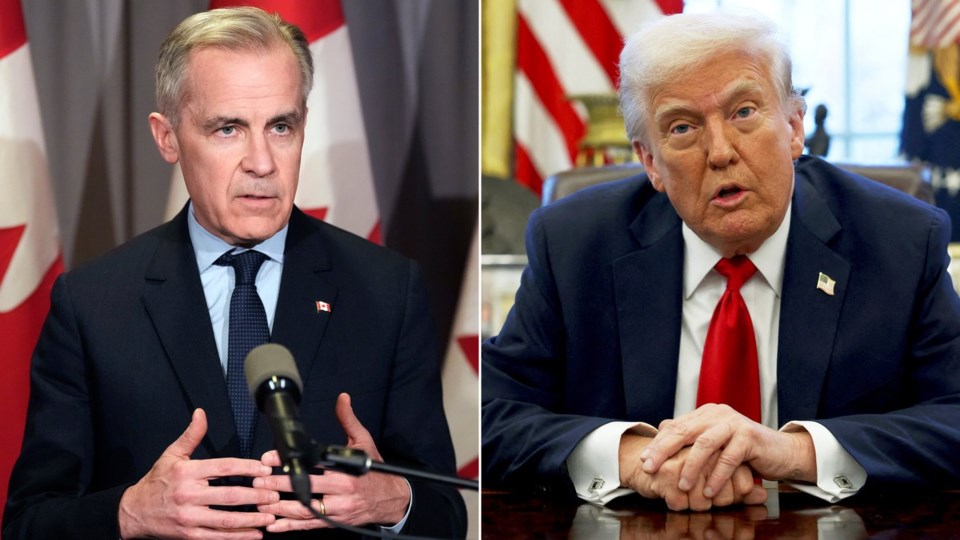
Ontario Premier Doug Ford has been at the forefront, describing the situation as an “economic war” and insisting that no deal is better than a bad one. His imposition of electricity surcharges directly countered U.S. tariffs, leading to quick resolutions in some cases. Ford’s approach emphasizes protecting provincial interests, particularly in manufacturing hubs, and he has expressed eagerness for U.S. midterms to potentially alter dynamics.
Prime Minister Mark Carney, a former Bank of Canada governor with global financial expertise, brings a diplomatic yet resolute tone. He has apologized for elements like the anti-tariff ad while firmly defending Canadian workers. Carney advised Ford against running the controversial campaign and has engaged directly with Trump, including at international summits. His leadership focuses on long-term resilience, such as securing mineral supplies and promoting economic diversification.
Potential Economic Impacts
The proposed 15% tariff could significantly affect cross-border jobs, with estimates suggesting disruptions in supply chains worth billions. In the U.S., higher import costs might elevate grocery prices and strain manufacturing in states reliant on Canadian inputs. For Canada, while short-term pain is anticipated, strategies like infrastructure acceleration could foster growth in green technologies and mining.
Broader effects include shifts in travel patterns, with Canadians avoiding U.S. destinations due to tensions, impacting tourism economies. Analysts predict potential GDP slowdowns if unresolved, though mutual dependencies under USMCA may encourage eventual compromises.
Political Ramifications in Washington
Washington’s political landscape shows fractures, with some Republicans questioning tariff extents amid Supreme Court constraints. Midterm elections loom as a factor, where voter concerns over inflation could influence outcomes. Trump’s bold rhetoric, including quips about Canada as a “51st state,” adds to the drama but may alienate allies.
Outlook for US-Canada Relations
As both sides navigate this impasse, Canada’s wait-and-see tactic might prove advantageous if U.S. domestic pressures mount. Ongoing discussions, including Ford’s planned U.S. visits, signal pathways to resolution. The situation underscores the delicate balance of international trade, where strategic patience could redefine power dynamics. Whether this leads to a stronger partnership or prolonged friction remains to be seen, but the stakes for North American prosperity are undeniably high.