Why Europe Let Canada In — And Quietly Shut America Out of Its Defense Inner Circle
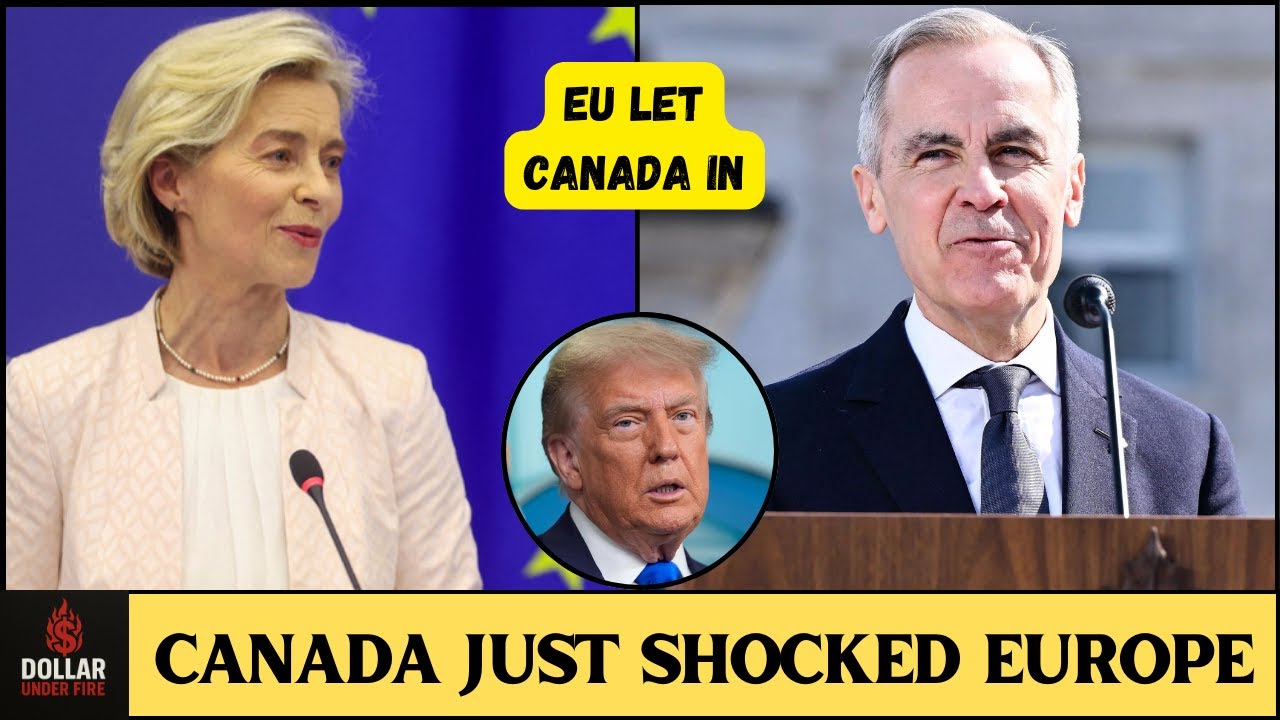
Canada has crossed a line few believed Europe would ever open to a non-European power. Without fanfare or Washington’s blessing, Ottawa was admitted into Europe’s inner defense-financing circle, gaining direct access to the industrial engine driving the continent’s rapid rearmament. This was not symbolism. It was power, money, and long-term influence.
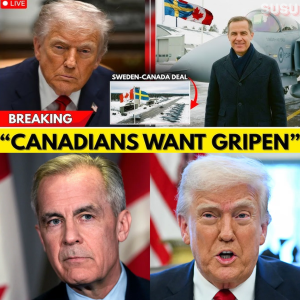
By formally joining the EU’s Security Action for Europe (SAFE) framework, Canada became the first and only non-European country granted full participation in Europe’s €50-billion defense financing system. SAFE determines who builds Europe’s missiles, drones, air defenses, and military systems for the next 30 to 45 years. The United States, the United Kingdom, and Australia were all left outside.

Europe’s decision was not about loyalty or history. It was about predictability. Defense programs funded through SAFE are designed to last decades, supported by EU-backed loans with long repayment timelines. Europe wanted partners it could trust not to reverse policy, impose export bans, or tear up agreements after a single election cycle.
Canada fit that requirement precisely. European officials viewed Ottawa as politically stable, commercially reliable, and consistent in honoring long-term commitments. Unlike other major powers, Canada has not weaponized trade, threatened allies, or injected volatility into defense partnerships, making it a rare low-risk partner in an unstable world.

Industrial capability sealed the deal. Canadian defense firms operate deep inside the global supply chain, producing essential but low-visibility systems such as sensors, secure communications, drones, robotics, specialty steel, and aerospace components. These are the force multipliers modern militaries depend on, and Europe urgently needs to diversify access to them.
SAFE’s structure accelerates that shift. Instead of fragmented national budgets, the EU borrows collectively using its top-tier credit rating, guaranteeing long-term financing upfront. That certainty allows factories to scale immediately and locks suppliers into production pipelines that are extremely difficult to replace once established.
For Canada, this creates leverage it has never had before. While the United States remains a key partner, SAFE rebalances the relationship by giving Ottawa real alternatives. No longer dependent on a single defense ecosystem, Canada now negotiates from strength, not necessity, as it embeds itself inside Europe’s long-term military planning.
This move was quiet by design, but its consequences are lasting. Canada did not demand entry into Europe’s defense system; it earned it. By securing a seat where future military and industrial decisions are made, Canada has repositioned itself as a strategic power broker. In today’s fractured world, that kind of quiet influence may be the most durable power of all.