Trump, Judge Cannon, and the DOJ: New Corruption Allegations Shake the U.S. Justice System
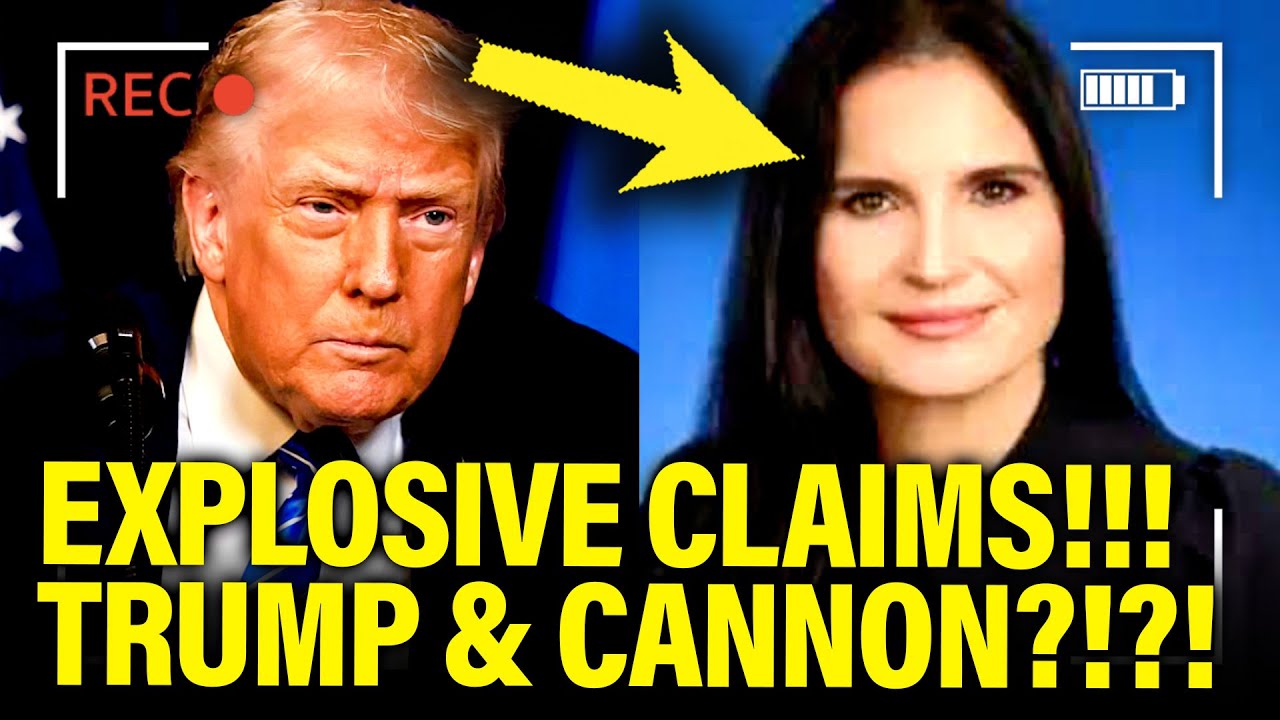
A fresh corruption scandal is engulfing Donald Trump’s inner legal orbit after explosive allegations surfaced accusing the Department of Justice of deliberately steering a criminal investigation toward a judge widely viewed as favorable to Trump. At the center of the controversy are U.S. District Judge Aileen Cannon, Attorney General Pam Bondi, and a Trump-appointed federal prosecutor in Florida.
The accusations come from a 16-page letter sent by lawyers for former CIA Director John Brennan to Chief Judge Cecilia Altonaga of the Southern District of Florida. The letter alleges that senior DOJ officials are manipulating grand jury procedures and venue selection to funnel any potential prosecution of Brennan to Judge Cannon’s courtroom in Fort Pierce—a venue with only one sitting judge.

According to the filing, multiple independent U.S. attorney offices, including those in the Eastern Districts of Pennsylvania and Virginia, previously declined to pursue charges against Brennan. Only after Trump allies gained influence inside the DOJ did the investigation reemerge, now under Miami-based prosecutor Jason Reding Quiñones, who is described as politically connected to Bondi and prominent Trump allies.
The letter stops short of directly accusing Judge Cannon of corruption but details a pattern of prior rulings that, in the authors’ words, could “reasonably cause prosecutors to believe” her courtroom would be accommodating. Those rulings include decisions that favored Trump in the Mar-a-Lago classified documents case, such as intervening during an active investigation and later blocking disclosures tied to the case.
Legal experts say the most damaging allegation is judge shopping—a practice considered corrosive to judicial independence when carried out by prosecutors. Brennan’s attorneys argue that routing the case to Fort Pierce serves no legitimate purpose, as Brennan has no connection to the district, while other courthouses in South Florida offer numerous judges and established grand jury venues.
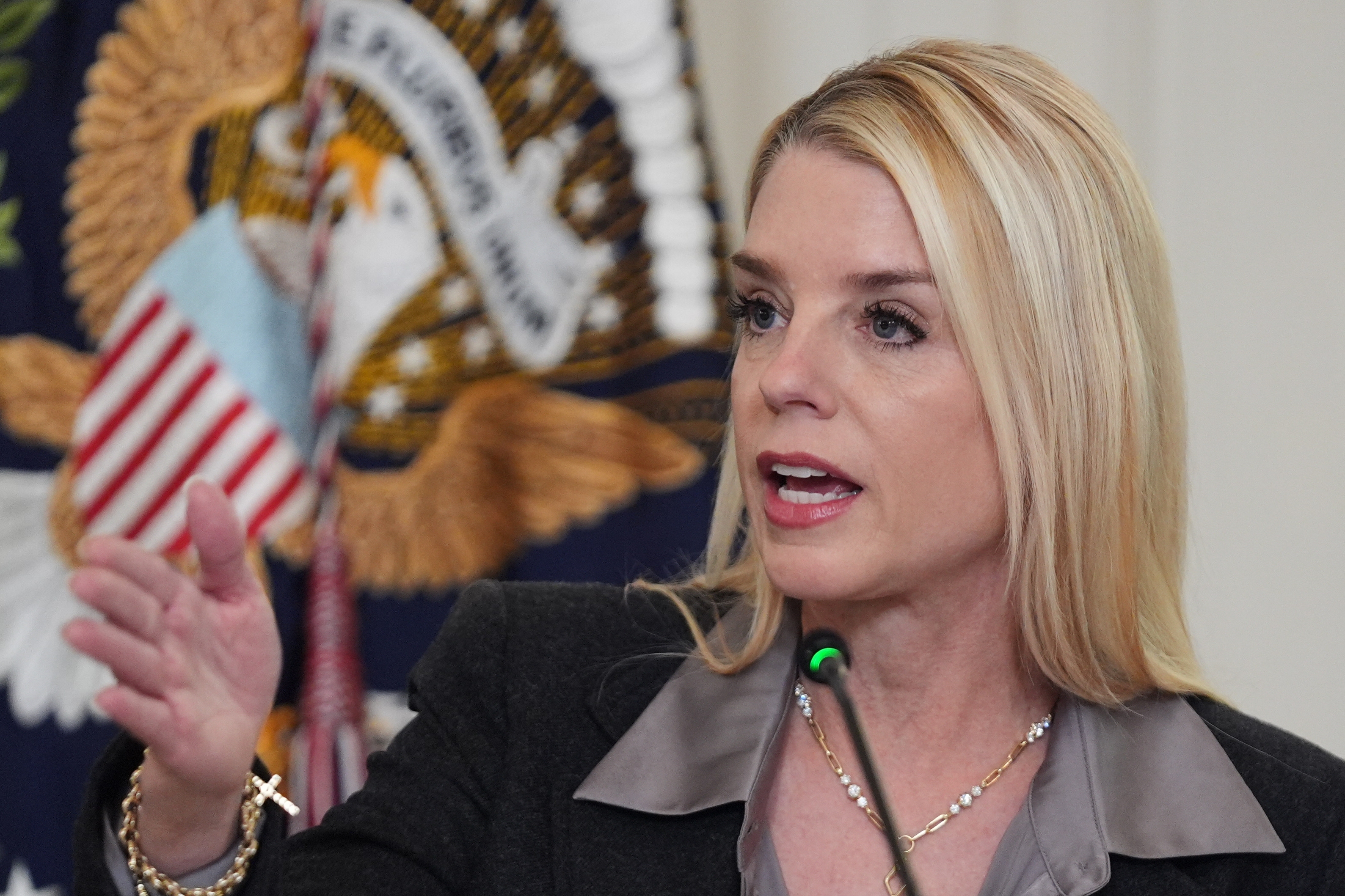
The controversy intensified when Pam Bondi publicly criticized Brennan and his lawyers in the media, calling them “bad actors” while Brennan is allegedly the target of an active grand jury investigation. Legal analysts warn such statements may violate grand jury secrecy rules and professional ethics, potentially strengthening claims of prosecutorial misconduct.
Complicating matters further is the statute of limitations. Most alleged conduct tied to Brennan dates back to 2016 or 2020, far beyond the typical five-year limit for federal crimes. The letter argues that reviving these claims underscores the political nature of the effort rather than a legitimate law enforcement purpose.
Taken together, the allegations paint a troubling picture of a justice system under political strain, where prosecutorial power, judicial assignment, and public messaging appear increasingly entangled. As Judge Altonaga weighs whether to intervene, the case has become a flashpoint for broader concerns about the rule of law—and whether America’s courts are being quietly reshaped to serve political ends.