In a stunning economic and diplomatic rupture that has sent shockwaves through North American trade relations, Prime Minister Mark Carney has executed a bold, calculated pivot, sealing a landmark agreement with China that dramatically slashes tariffs on Chinese electric vehicles while unlocking billions in relief for Canadian agriculture. The move, announced after high-stakes talks in Beijing with President Xi Jinping, effectively bypasses the aggressive tariff pressures from Washington, collapsing long-held U.S. leverage overnight and reshaping global supply chains in ways that leave American industries reeling.
The deal, struck on January 16, 2026, marks Carney’s most consequential foreign policy achievement since assuming the premiership. Canada has agreed to reduce its 100% tariff on Chinese EVs — imposed in 2024 in alignment with U.S. policy — to just 6.1% under most-favored-nation terms, with an initial annual quota of up to 49,000 vehicles. In exchange, China commits to slashing combined tariffs on Canadian canola seed from approximately 84-85% to around 15% by March 1, 2026, while lifting duties on canola meal, lobsters, crabs, peas, and other products through at least the end of the year. Canadian officials estimate the agricultural relief alone will unleash nearly $3 billion in export opportunities, reviving a sector battered by retaliatory measures that caused a 10.4% drop in China’s imports of Canadian goods in 2025.
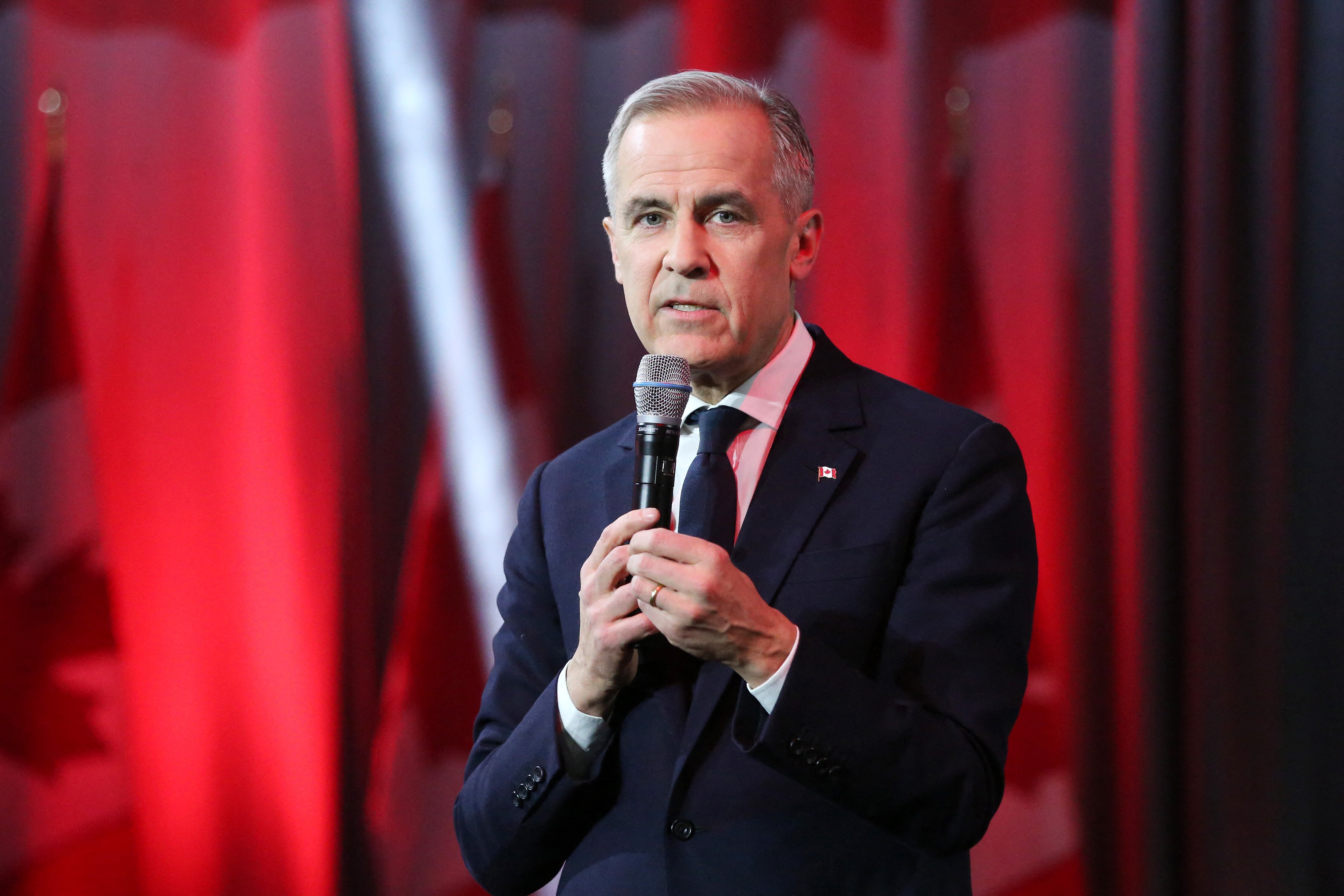
This overnight transformation has plunged U.S. policymakers and auto executives into chaos. For years, the integrated North American auto ecosystem relied on synchronized barriers against subsidized Chinese imports to protect domestic manufacturing. Now, with compliant, low-cost Chinese EVs poised to enter Canada at rock-bottom duties — many targeted under $35,000 to capture the affordable segment — the pressure on American borders intensifies. Proximity alone creates a backdoor: vehicles assembled or distributed through Canadian channels could flood comparisons, erode pricing power, and force U.S. factories into frantic adaptations or layoffs. Industry voices in Detroit and Washington scream of betrayal, warning of job losses and weakened leverage in upcoming USMCA reviews.
Carney, the former Bank of England governor turned prime minister, has framed the pact not as defiance but as pragmatic realism in a fractured world. “We take the world as it is, not as we wish it to be,” he declared, emphasizing diversification away from overreliance on the U.S. amid unpredictable tariffs on steel, aluminum, lumber, and autos. The agreement builds on sequential moves: energy and forestry pacts signed earlier in the visit, visa facilitations, and promises of joint ventures in clean tech and EV supply chains. Chinese firms like BYD now eye Canadian manufacturing footholds, promising local jobs while shifting dependency dynamics southward.

The backlash has been ferocious. Ontario Premier Doug Ford erupted in fury, branding the deal an “economic catastrophe” that invites a flood of cheap imports without guaranteed investments, potentially devastating the province’s auto heartland. Conservative critics accuse Carney of flip-flopping from labeling China a security threat to forging a “strategic partnership.” Yet provincial leaders in canola-heavy regions like Alberta and Saskatchewan welcomed the agricultural lifeline, highlighting how U.S.-style pressure tactics had backfired, closing markets and inflicting self-harm on allied economies.
This crisis exposes deeper fractures. What began as tit-for-tat over EV subsidies has evolved into a broader realignment. Canada’s maneuver removes choke points that once amplified U.S. influence, proving alternatives exist when threats become routine. Factories won’t relocate on rhetoric alone; capital chases stability, access, and predictable rules. As Chinese EVs gain a durable North American entry point and Canadian farmers regain billions in lost revenue, the old leverage evaporates — quietly but permanently.
The ripple effects are only beginning. U.S. retaliation risks self-inflicted wounds, hitting intertwined supply chains already in motion. Adaptation, not escalation, may prove the only viable path. In this new era, coercion loses its edge when options multiply, and Canada has just demonstrated that truth on the global stage.