By XAMXAM
WASHINGTON — Anxiety, not loyalty, is becoming the defining emotion inside Donald J. Trump’s White House. According to accounts from journalists with long access to Trump’s orbit, senior aides and advisers are quietly preparing for a possible collapse, weighing how and when to distance themselves as the Epstein scandal resurfaces with renewed force.

The concern is not limited to legal exposure. It is about momentum — or rather, the loss of it. Mr. Trump’s second term has unfolded under a cloud of controversy, but in recent weeks that cloud has darkened into something more ominous. Allies who once believed his political instincts were unbreakable are now questioning whether he has lost what one observer called “reflex control”: the ability to restrain himself, course-correct, or recognize danger before it becomes unavoidable.
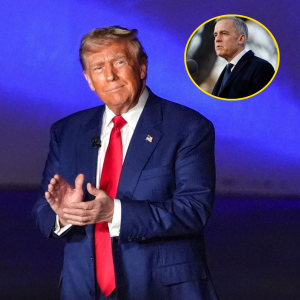
That perception has been fueled by a string of erratic public appearances. In a recent prime-time address, the president veered from policy grievances to personal vendettas, speaking rapidly, stumbling over words, and lingering on topics that left even sympathetic viewers uneasy. For aides tasked with containing damage, the speech confirmed what some already feared: that there is no longer a functional internal brake system.
Michael Wolff, a chronicler of Trump’s rise and presidency, has reported that members of the inner circle are now planning for “after Trump.” Not publicly, and not in unison, but privately and pragmatically. In Washington, this kind of preparation is often the clearest sign that faith has eroded. Loyalty endures until self-preservation takes over.
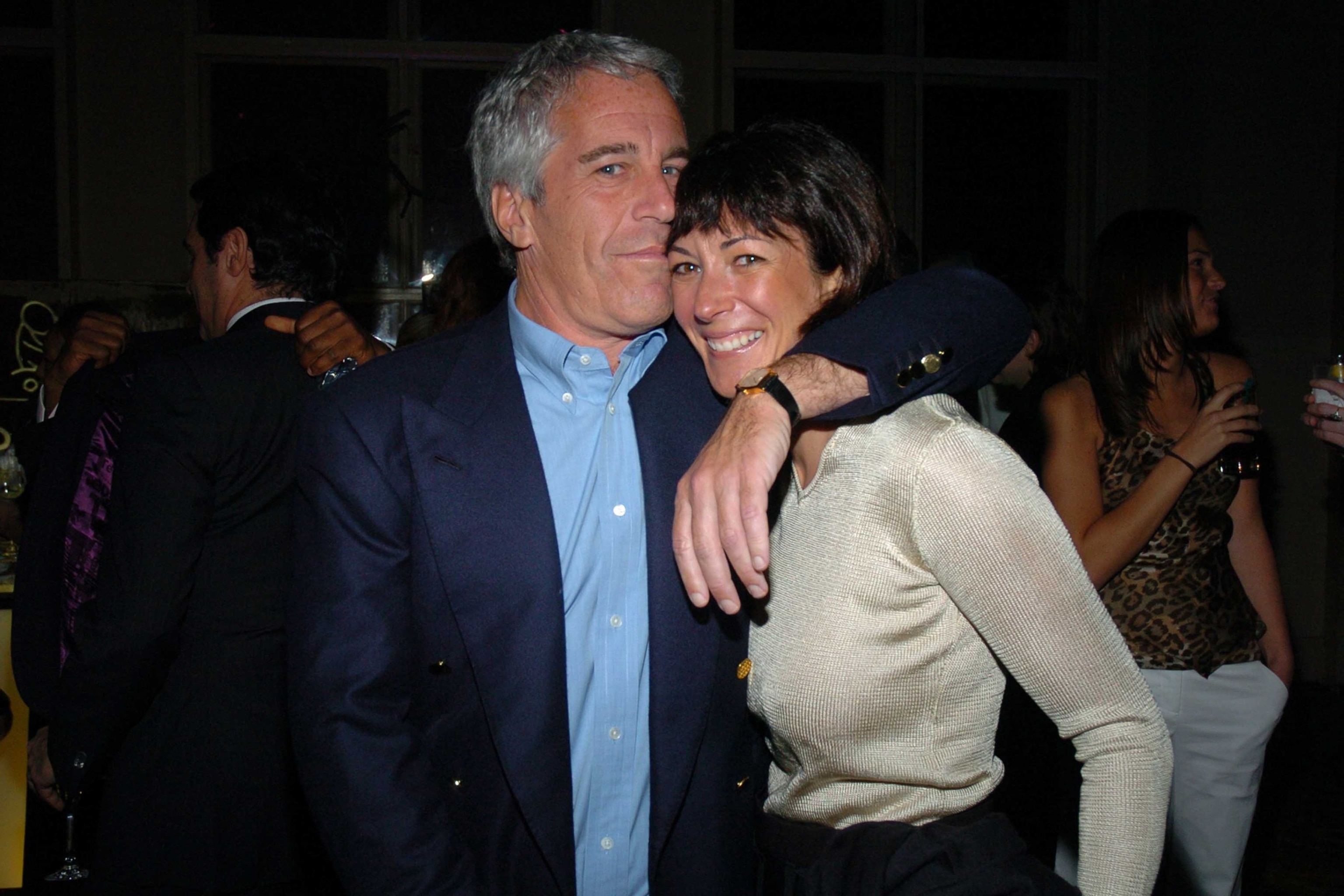
The Epstein issue has accelerated that shift. For years, Trump’s defenders dismissed scrutiny of his past relationship with Jeffrey Epstein as politically motivated or inconsequential. Now, with renewed attention on Justice Department handling of Epstein-related materials, those dismissals are no longer holding. The redaction of Trump’s name from documents that previously included it, followed by the unexplained removal and later restoration of photographs, has raised uncomfortable questions — not only about what is in the files, but about why such visible interventions were made at all.

For Trump’s aides, the problem is not merely whether wrongdoing can be proven. It is the appearance of protection. In politics, perception can be as damaging as fact, and the impression that federal institutions are bending to shield the president has inflamed critics while unnerving supporters who worry about blowback.
Inside the West Wing, this has created a quiet but unmistakable recalculation. Advisers who once saw proximity to Trump as an asset now see it as a liability that could follow them long after he leaves office. The same instinct that once bound them to him — ambition — is now pushing them to consider escape routes.
There is also a deeper unease, whispered rather than stated. Some aides have expressed concern about Trump’s mental and physical stamina, noting changes in speech patterns, fixation on grievances, and a growing inability to filter impulse from action. No formal diagnosis has been offered, and none is likely. But politics does not require certainty to act on fear.
The result is a White House increasingly hollowed out by silence. Few are willing to challenge the president directly. Fewer still are willing to contradict him in public. Instead, aides manage around him, minimize exposure, and quietly update résumés. The absence of confrontation should not be mistaken for confidence.
Trump’s supporters insist that reports of an unraveling are exaggerated, the product of hostile media and embittered former insiders. They argue that his base remains loyal and that his defiance is a sign of strength. Yet even some sympathetic Republicans privately concede that something has shifted. The president no longer dominates the political conversation; he reacts to it.
In the end, what may undo Trump is not a single scandal but accumulation — of investigations, of controversies, of moments that suggest instability rather than command. For those around him, the calculation is cold and familiar. Power is finite. Associations endure.
When insiders begin preparing for a future without the person at the center, the end is rarely immediate — but it is rarely far off either. In Washington, exits are often planned long before they are announced. And right now, behind closed doors, many appear to be checking the map.