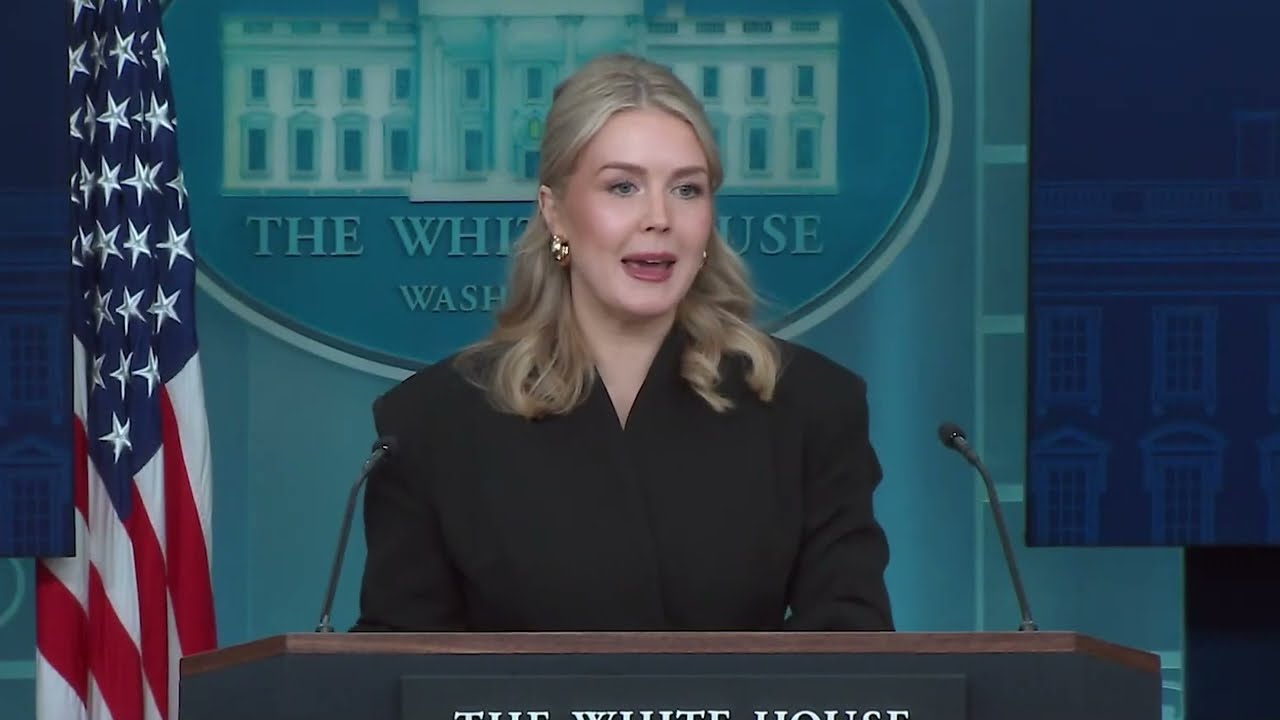
WASHINGTON — A routine White House press briefing erupted into a sharp media confrontation Thursday as Press Secretary Karoline Leavitt delivered a blistering rebuke of CNN and its chief White House correspondent, Kaitlan Collins, accusing the network of shielding former President Joe Biden from tough scrutiny during his time in office. What unfolded was not merely a tense exchange between a press secretary and a reporter, but a broader indictment of mainstream media credibility that instantly ricocheted across political media.
The flashpoint came when Collins questioned the administration about economic messaging, prompting Leavitt to pivot sharply to what she described as CNN’s “selective outrage” and “historical amnesia.” According to Leavitt, the network had repeatedly failed to press Biden on deteriorating economic indicators while he was president—rising inflation, eroding purchasing power, and mounting consumer debt—only to adopt a far more aggressive posture now.
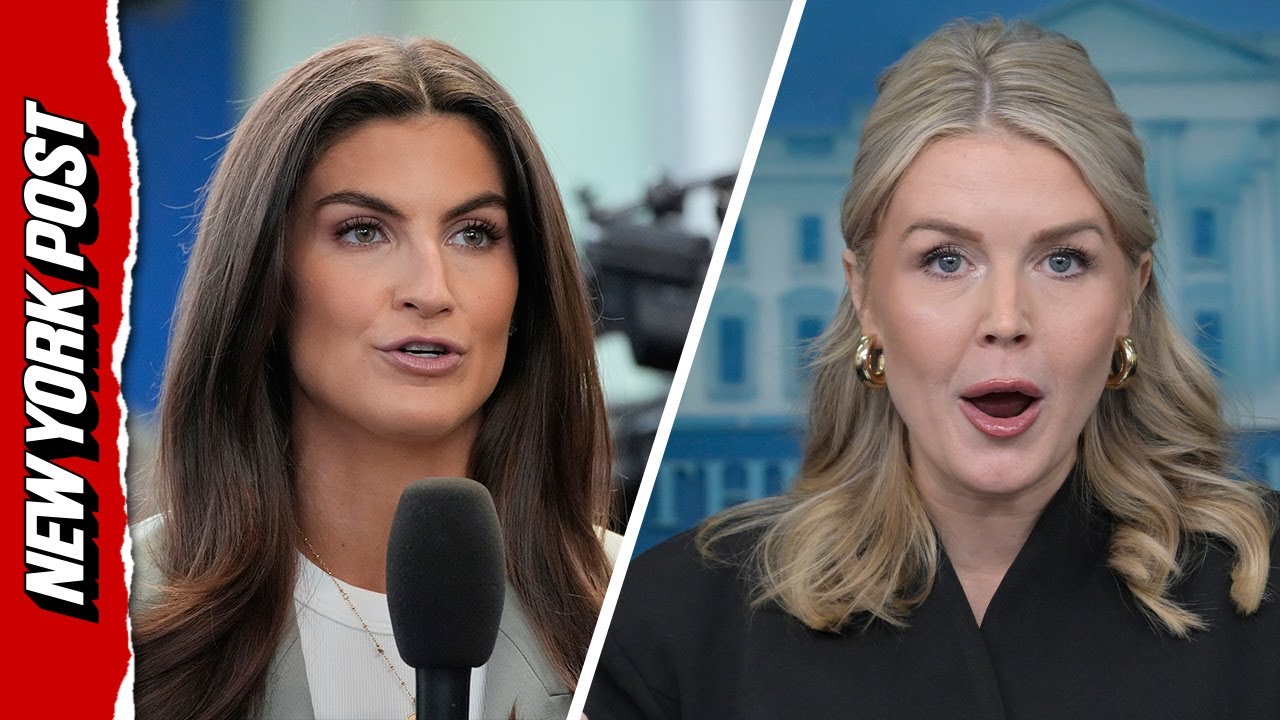
“Where was this intensity when American families were being crushed by inflation?” Leavitt asked, her tone firm and unyielding. “Where were the follow-ups, the fact-checks, the nightly panels demanding accountability from President Biden?”
The room fell momentarily quiet as reporters processed the unusually direct criticism. Collins attempted to redirect the exchange back to policy, but Leavitt did not retreat. Instead, she broadened the critique, framing CNN’s coverage as emblematic of a deeper problem in political journalism: a reluctance to challenge power consistently when it aligns with ideological comfort.
A Second Strike
The confrontation did not end there. Later in the briefing, Collins asked Leavitt about comments made by the president regarding the potential sale of CNN and whether the administration would support forcing a change in ownership. The question was framed cautiously, but Leavitt seized the moment to reinforce her earlier point.
“I think the president’s comments yesterday about the sale of CNN and new leadership is evidenced by my exchange with a CNN reporter in this room,” Leavitt said, gesturing toward Collins. The implication was unmistakable: that the network’s editorial culture, not just individual reporting decisions, is at the heart of the administration’s concerns.
While Leavitt stopped short of endorsing any direct government action against the network—a move that would raise immediate First Amendment alarms—her remarks fueled speculation about an escalating war between the White House and legacy media outlets. Within minutes, clips of the exchange flooded social media, with supporters praising Leavitt for “saying what everyone is thinking” and critics accusing her of attempting to intimidate the press.
Media Bias Back in the Spotlight
The clash arrives at a moment when public trust in national media is already fragile. Polls consistently show declining confidence in major news organizations, particularly among conservative and independent voters who believe coverage has been uneven and ideologically slanted. Leavitt’s attack tapped directly into that sentiment, portraying CNN not as a neutral arbiter of facts but as an active participant in shaping political narratives.
Administration allies argue that Leavitt’s comments reflect a long-overdue recalibration of the White House press operation—one that is less deferential and more confrontational toward outlets perceived as hostile or inconsistent. “This isn’t about silencing the press,” one senior official said privately. “It’s about demanding the same level of scrutiny for everyone.”
CNN, for its part, has not issued a formal response to Leavitt’s remarks. Network insiders, speaking on background, dismissed the exchange as political theater and defended Collins as a tough, experienced reporter who has challenged presidents of both parties. Still, the silence from CNN leadership has only intensified online speculation about internal debates over tone, access, and audience trust.
A Defining Moment?
For Leavitt, the moment may mark a defining chapter in her tenure as press secretary. Known for her aggressive defense of the administration, she has increasingly framed her role not just as a messenger, but as a counterweight to what she describes as entrenched media narratives.
For Collins and CNN, the episode underscores the increasingly adversarial environment facing mainstream outlets in Washington. Press briefings, once governed by a predictable rhythm of questions and answers, are now arenas for ideological combat, where credibility itself is on trial.
As the dust settles, one thing is clear: this was not just a heated back-and-forth. It was a signal flare in a broader struggle over who gets to define reality in American politics. And if Thursday’s exchange is any indication, that struggle is only intensifying.