From Diplomatic Freeze to Strategic Reset: Mark Carney’s India Visit Signals Canada’s Global Repositioning
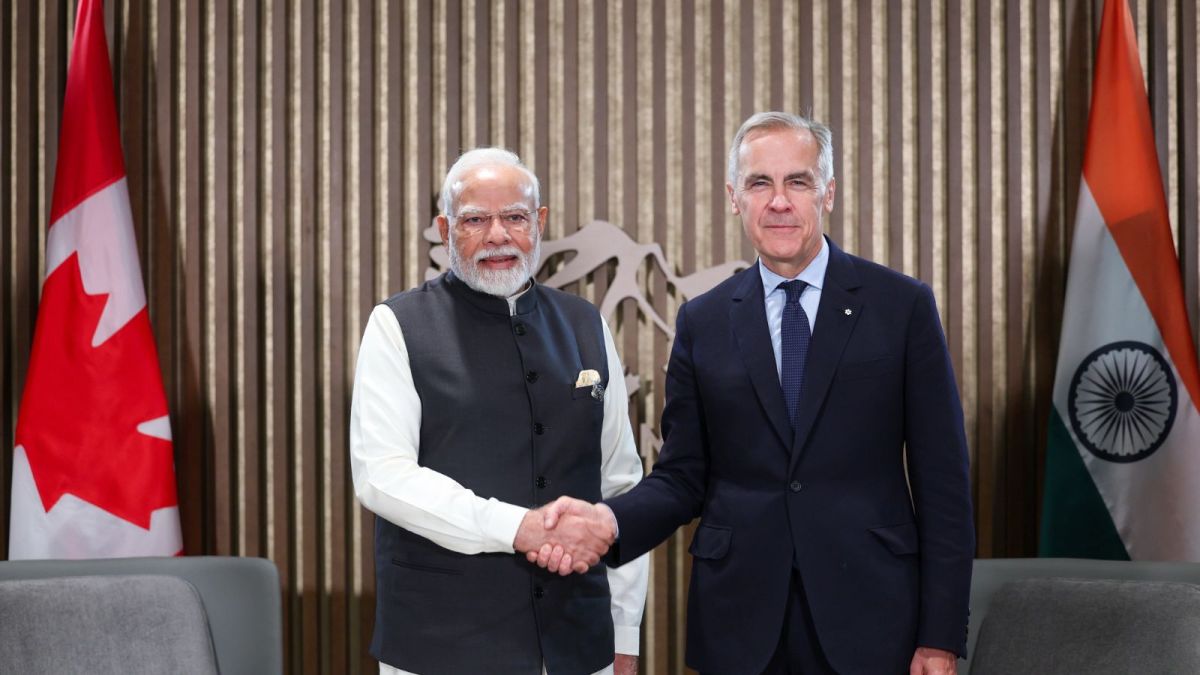
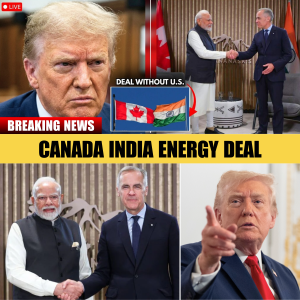
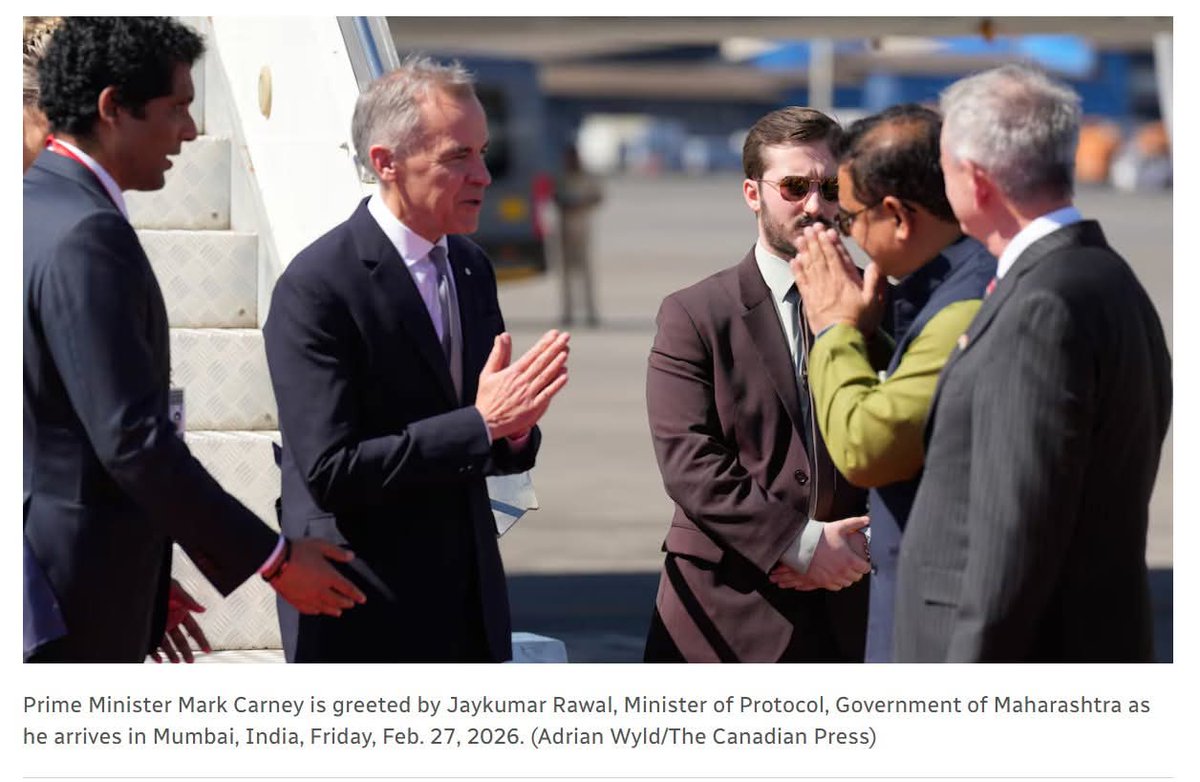
When Prime Minister Mark Carney stepped off the plane in Mumbai this week, accompanied by his wife and greeted with handshakes and ceremony, the moment carried the careful choreography of diplomacy. But it also carried something more consequential: the unmistakable signs of a geopolitical recalibration.
Only a year ago, such a visit would have been politically fraught. Relations between Canada and India had deteriorated sharply after Ottawa publicly accused New Delhi of involvement in a violent crime on Canadian soil — allegations that India forcefully rejected. Diplomatic expulsions followed. Public rhetoric hardened. Trade discussions stalled.
Now, the images tell a different story.
Carney’s trip marks the first visit by a Canadian prime minister since relations began to thaw. Officially, it is framed as a step toward restoring bilateral ties. Strategically, however, it reflects a broader shift in Canada’s economic posture — one shaped in no small part by renewed trade tensions with the United States under President Donald Trump.
Diversification as Doctrine
The subtext of the visit is difficult to ignore. As Washington escalated tariff threats and embraced an increasingly transactional trade posture, Ottawa moved to insulate itself. Rather than respond with counter-escalation, Carney emphasized diversification: expanding energy infrastructure, deepening ties with Europe and the Indo-Pacific, and accelerating trade discussions with emerging markets.
India sits at the center of that effort.
One of the world’s fastest-growing major economies, India’s appetite for energy is immense. It is a country expanding its nuclear fleet, increasing natural gas consumption, and seeking reliable long-term suppliers of oil, liquefied natural gas and uranium. Canada, with vast reserves of each, presents an attractive partner.
Energy discussions were central to the visit. Indian officials have signaled openness to long-term uranium supply agreements — potentially locking in Canada as a key contributor to India’s nuclear energy ambitions. Talks also advanced around LNG exports and broader cooperation in critical minerals.
Energy, in this context, is not merely commerce. It is leverage.
If India becomes a major long-term customer of Canadian energy, Ottawa’s dependence on the American market diminishes. For decades, the United States has absorbed the overwhelming majority of Canadian oil and gas exports. That concentration has amplified Washington’s negotiating power during moments of trade tension. Diversification, by contrast, creates optionality — and optionality reduces vulnerability.
Repairing, but Not Forgetting
The visit does not erase the disputes that preceded it. Security concerns remain under active discussion. Canadian officials have not withdrawn their earlier allegations, and Indian authorities have not conceded ground. Yet both governments appear to have concluded that strategic interests outweigh continued estrangement.
India, too, is navigating an era of economic unpredictability. Its own relationship with Washington has been marked by periods of tariff friction and policy uncertainty. In Ottawa, New Delhi may see a partner similarly intent on hedging against overdependence.
There is also an economic urgency to the reset. Canada remains the only G7 country without a preferential trade agreement with India, even as the United Kingdom and the European Union have moved to strengthen commercial ties. Negotiations toward a comprehensive economic partnership agreement are expected to resume in earnest following this visit.
Optics and Substance
Carney’s recent speech in Davos — widely noted in Indian and Australian policy circles — emphasized economic resilience, institutional stability and the importance of rules-based trade. The tone contrasted sharply with the volatility that has characterized global tariff politics in recent years.
For India, which has long sought to balance strategic autonomy with global integration, Canada’s approach may hold appeal. A stable, predictable partner with abundant energy resources and advanced financial and technological sectors aligns with New Delhi’s own diversification strategy.
Yet challenges remain. Domestic political considerations in both countries will shape the pace and scope of cooperation. In Canada, security concerns cannot be dismissed lightly. In India, sensitivities over sovereignty and diaspora politics continue to influence public discourse.
Beyond Mumbai
Ultimately, the significance of Carney’s visit lies less in ceremonial warmth than in structural implications. If energy agreements materialize and trade talks advance, Canada’s economic map could look markedly different within a decade. Indo-Pacific markets would occupy a larger share of export flows. American leverage, while still formidable, would face new constraints.
For Washington, the message is subtle but clear: allies seeking resilience will pursue it, even if that means expanding beyond traditional alignments.
For Ottawa, the calculation is equally pragmatic. In a world defined by shifting trade blocs and strategic competition, dependence is risk. Diversification is insurance.
As Carney departed Mumbai, the question was not whether relations had been repaired — though they have, to a degree. It was whether this reset marks the beginning of a durable partnership reshaping Canada’s global orientation.
If the energy deals proceed and trade negotiations gain momentum, historians may look back on this week not simply as a diplomatic thaw, but as the moment Canada stepped more decisively onto a multipolar stage.