Canada’s Fighter Crossroads: Sovereignty, Security and the Gripen Question
OTTAWA — For decades, Canada’s fighter jet debates followed a familiar script: technical assessments, industrial offsets and, hovering in the background, the quiet gravitational pull of the United States. But in early 2026, that script appears to be fraying.
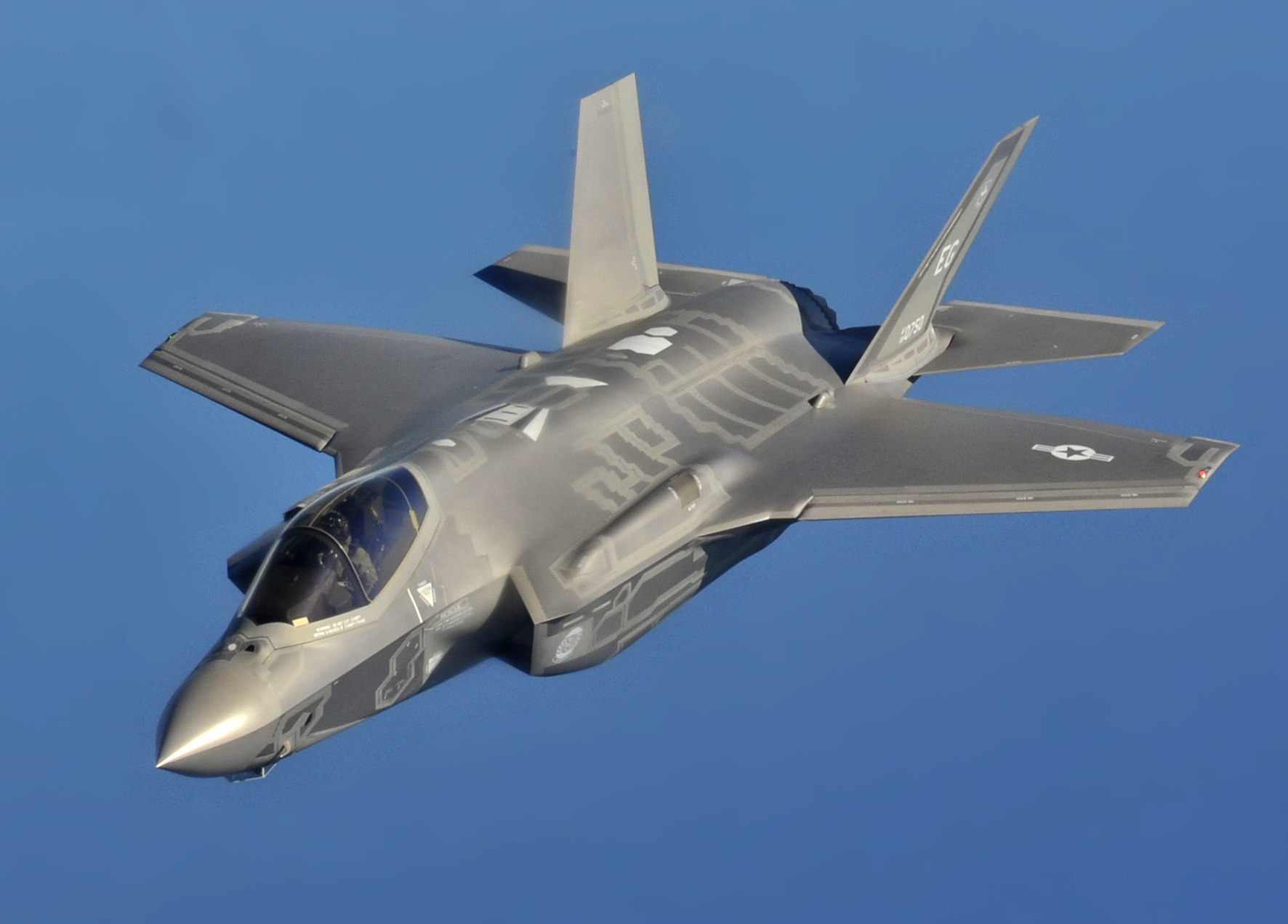
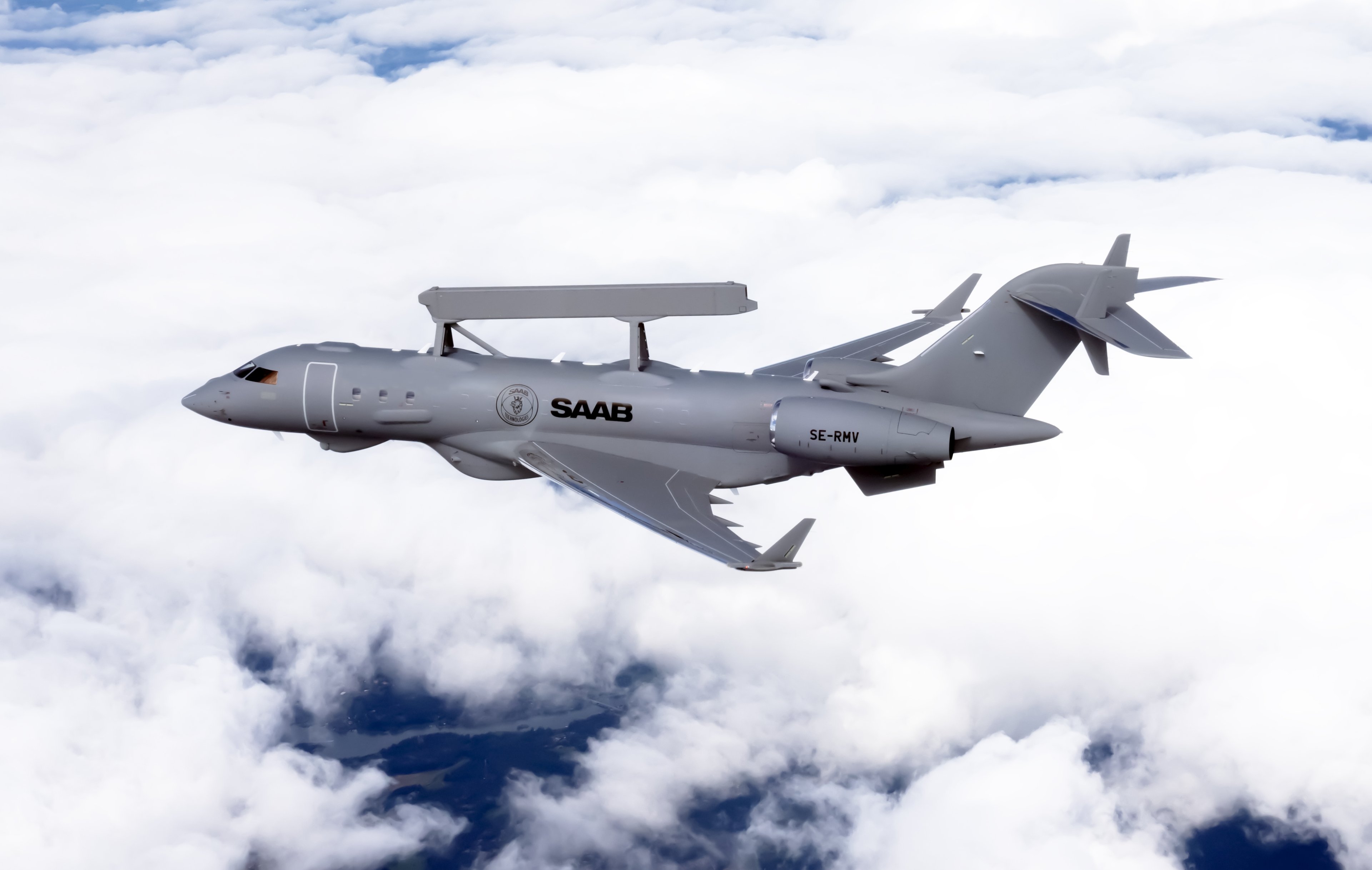
At the center of the latest tension is a renewed proposal from Saab offering 72 Gripen E fighters and six GlobalEye airborne early warning aircraft, assembled and maintained in Canada, along with a promise of more than 12,000 domestic jobs. The pitch has reopened a question many believed settled in 2021, when Ottawa selected the F-35 Lightning II from Lockheed Martin after a lengthy competition.
On paper, the earlier decision seemed decisive. The Royal Canadian Air Force concluded that the F-35 met 95 percent of its stated requirements, while the Gripen E met just 33 percent. The numbers suggested a landslide.
Yet numbers, like aircraft, are built on design choices.
Canada’s defense posture is uniquely demanding. With nearly 10 million square kilometers of territory — much of it Arctic — the country must patrol vast distances where air bases are sparse and winter temperatures plunge below minus 40 degrees Celsius. It must also fulfill obligations to NORAD, the joint United States–Canada air defense command established during the Cold War and now modernizing in response to renewed great-power competition.
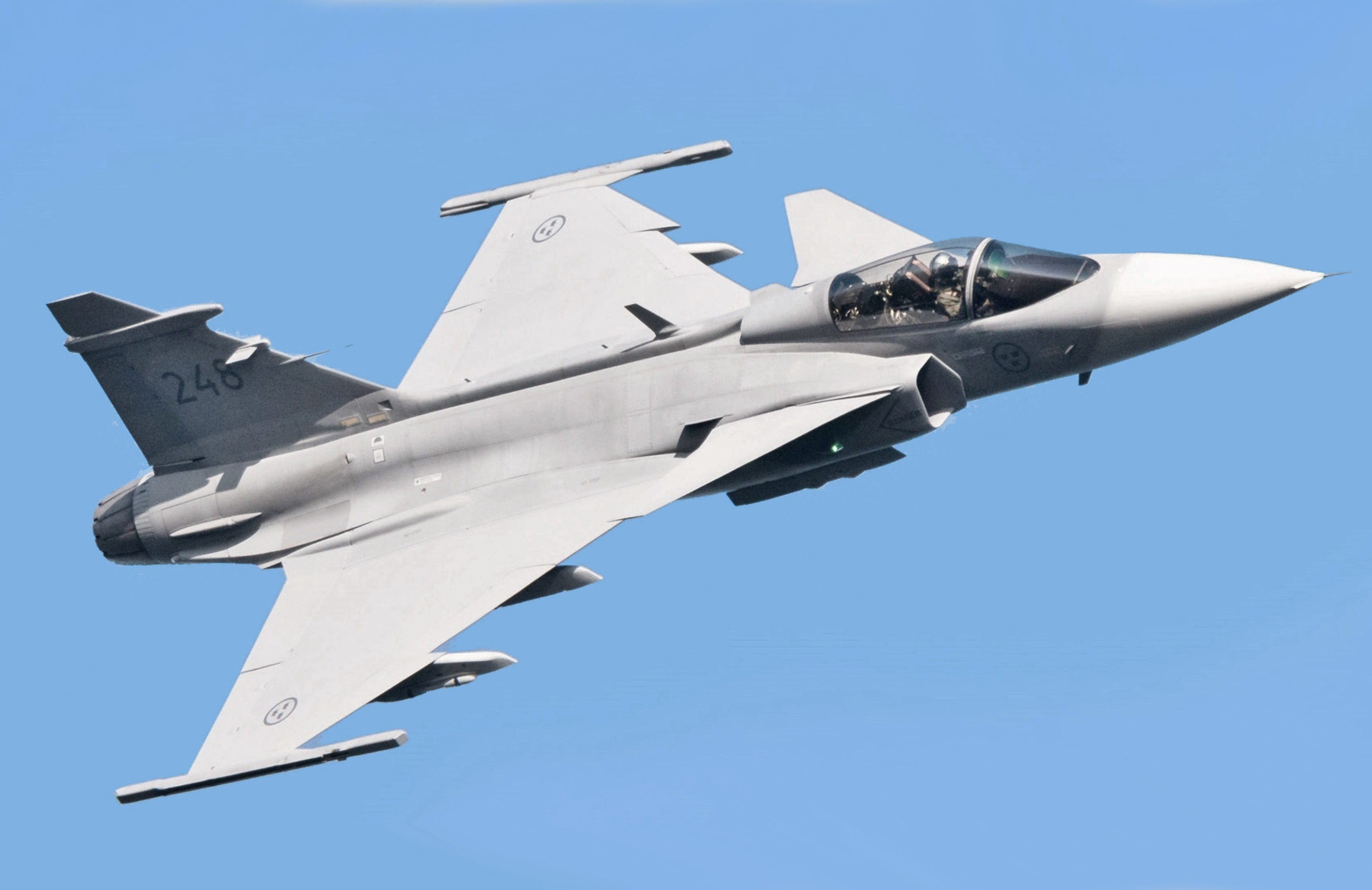
The F-35 was engineered from the outset to integrate seamlessly into the American defense ecosystem. Its stealth profile, sensor fusion and software-driven upgrades are designed for long-term interoperability within U.S.-led networks. In a future defined by data-sharing and multi-domain operations, that integration carries weight.
But critics argue that the 2021 evaluation may have privileged that integration above all else. If full compatibility with American systems is the most heavily weighted criterion, they say, the American aircraft will inevitably rise to the top.
The Gripen E represents a different philosophy. Developed by Sweden — long militarily nonaligned during the Cold War — it was built around resilience. It can operate from short, austere runways, including stretches of highway. It requires relatively small maintenance crews and has lower operating costs than many of its competitors. Supporters say that flexibility is not a luxury in the Arctic; it is a necessity.
They also point to the aircraft’s electronic warfare capabilities and its integration of the European Meteor missile, arguing that survivability in modern conflict may hinge as much on jamming and networked coordination as on stealth coatings.
The debate is not purely technical. It is industrial and geopolitical.
Saab’s offer to assemble aircraft in Canada comes at a moment when Ottawa is rethinking its exposure to foreign supply chains. The promise of thousands of domestic jobs — and the development of sovereign maintenance capabilities — resonates in a country seeking greater strategic autonomy.
Washington, for its part, has signaled concern. American officials have warned that abandoning the F-35 program could complicate cooperation within NORAD. For some Canadian policymakers, the implication is clear: defense procurement cannot be separated from alliance politics.
There are practical constraints as well. Canada has already signed contracts related to the F-35 and invested political capital in the program. Reversing course would carry financial and diplomatic costs.
A compromise occasionally surfaces in policy discussions: a mixed fleet. The F-35 could serve in missions requiring deep integration with American forces, while the Gripen could focus on Arctic sovereignty patrols, where operating flexibility and cost efficiency are paramount.
Yet operating two fighter types would demand parallel training pipelines, maintenance systems and supply chains. For an air force with a limited number of combat pilots and technicians, duplication could strain resources.
Underlying the dispute is a broader strategic question. Should Canada anchor its airpower almost entirely within the American system, betting that collective security will remain robust and aligned with Canadian interests? Or should it diversify, accepting friction in pursuit of greater autonomy?
In truth, the choice may not be binary. Canada’s geography ensures that it will remain bound to the United States in continental defense. But geography also demands capabilities tailored to Canadian conditions.
The decision Ottawa ultimately makes will signal more than a preference between two aircraft. It will reveal how Canada defines sovereignty in an era when security partnerships are both indispensable and constraining.
For now, the jets remain proposals and projections. But the debate they have ignited — about independence, alliance and the price of both — is likely to outlast any single procurement cycle.