A Midnight Release Rekindles Washington’s Long Shadow
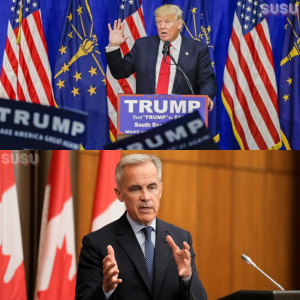
It began, as many modern political storms do, with a late-night release that ricocheted across screens before dawn. Documents described by associates of former President Bill Clinton as newly organized materials connected to the Jeffrey Epstein case appeared online, instantly reviving a controversy that has hovered at the edges of American public life for nearly a decade. What made the moment combustible was not simply the subject matter, but the timing: the materials were framed by critics as casting renewed light on figures who once moved comfortably through Epstein’s social orbit, including the sitting president, Donald Trump.
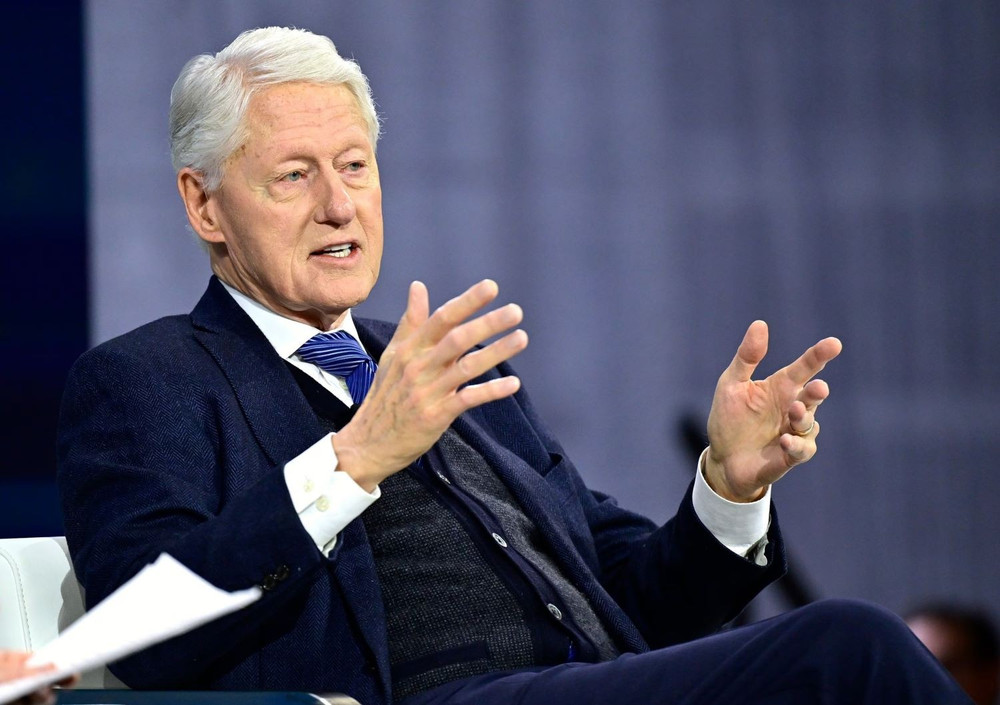
Within hours, the reaction in Washington was less about what the documents definitively proved—very little was clear—and more about what they suggested. Supporters of the president dismissed the release as political theater, noting that photographs and references circulating publicly have long lacked context or substantiation. Others argued that the moment underscored a deeper issue: the persistent gap between promises of transparency and the reality of how information tied to powerful individuals is disclosed, delayed, or quietly buried.
For Mr. Trump, the episode reopened an old vulnerability. As a candidate, he once spoke openly about declassifying files connected to Epstein, a pledge that energized supporters who believed the case symbolized elite impunity. As president, his tone has been notably different. Asked recently about renewed attention to Epstein, Mr. Trump downplayed the significance of photographs and acquaintances, emphasizing that Epstein was a social presence in Palm Beach and New York who “knew everybody.” The contrast has not gone unnoticed, particularly among critics who argue that the shift reflects the weight of office—and the risks of full disclosure.
Democrats, meanwhile, have seized on the moment with unusual strategic discipline. Rather than releasing everything at once, congressional investigators and allied advocates have opted for a drip-by-drip approach, unveiling select materials that keep the story alive without crossing legal or ethical lines involving survivors. The method has drawn comparisons to past document battles in Washington, where pacing can be as powerful as content. Each release invites speculation about what remains unseen, a question that sustains attention even in the absence of definitive conclusions.

Behind the scenes, current and former officials describe a climate of quiet anxiety. Insiders say lawyers across multiple institutions—government agencies, media organizations, and private estates—are carefully reviewing what can be made public without violating court orders or retraumatizing victims. There is also an unspoken concern about chain-of-custody issues: who has controlled which materials, and whether the public can trust that what is released represents a complete record rather than a curated one. Survivors’ advocates have called for independent verification measures, though legal experts note that such audits of Justice Department productions are rare and politically fraught.
Mr. Clinton’s role in the latest flare-up remains ambiguous. Allies insist that any move associated with him is less about personal vindication than about forcing a reckoning with how Epstein’s network operated across party lines. Privately, some Democrats acknowledge another motive: preventing the narrative from being framed as a one-sided scandal. The Epstein case, they argue, implicated a social world that spanned ideologies, industries, and decades. To focus narrowly on one figure risks missing the broader truth.
That broader truth is also what makes the story so durable. Epstein’s crimes were not merely personal; they exposed systems that enabled silence, from wealth and celebrity to legal complexity. Each new revelation—or suggestion of one—reignites public frustration that full accountability remains elusive. In this sense, the midnight release functions less as a bombshell than as a reminder: the case is unfinished business for American institutions that pride themselves on transparency.

The media response reflects this tension. Cable panels dissect the political implications, while print outlets tread carefully, separating verified facts from implication. Editors know the audience appetite for scandal is vast, but so is the risk of amplifying claims that outpace evidence. The result is a familiar balancing act—measured language paired with unmistakable urgency.
As the story continues to unfold, one fact is beyond dispute: the Epstein files have again become a mirror for Washington’s anxieties about power, secrecy, and credibility. Whether the current wave leads to substantive disclosures or fades into another cycle of speculation remains uncertain. But for now, the attention is relentless, the stakes unmistakable, and the sense of unfinished reckoning impossible to ignore.
The internet, as ever, is watching closely. And in a political era defined by what surfaces at midnight, few doubt that more chapters are waiting just out of view.