MADRID — In a dramatic escalation that has shaken the foundations of Real Madrid’s sporting project, club president Florentino Pérez has reportedly reached out to Zinedine Zidane in an urgent attempt to stabilize the team after the abrupt departure of Xabi Alonso, according to individuals familiar with internal discussions. The move, still unofficial and shrouded in secrecy, underscores the mounting pressure inside the organization as discontent grows among players and staff.
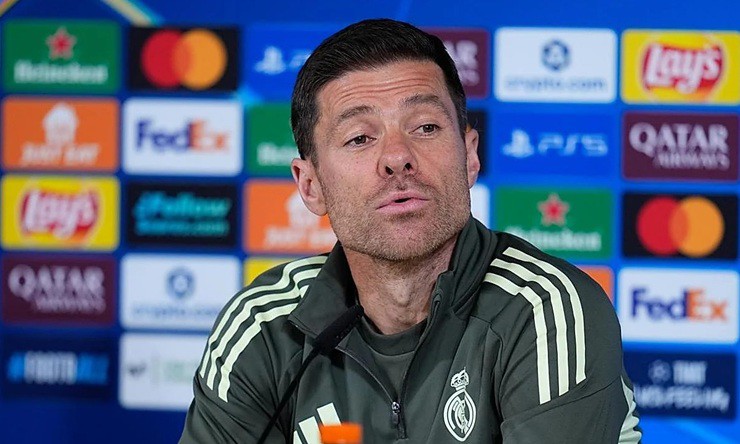
The situation began unfolding late last week, when Alonso — recently appointed to oversee a major tactical restructuring of the club — unexpectedly communicated his intention to leave. Though neither the club nor Alonso has provided a public explanation, several sources say the decision stems from disagreements over transfer autonomy, academy integration, and long-term strategic direction. The sudden resignation caught both the board and coaching staff off guard, leaving a vacuum at a critical point in the season.

Within hours of the announcement, Pérez reportedly activated a short list of trusted confidants and former leaders capable of restoring order. At the top of that list, according to people briefed on the matter, was Zidane — the manager who delivered three consecutive Champions League titles and remains one of the most respected figures in the club’s modern history.
While neither side has publicly confirmed contact, insiders say preliminary conversations took place over the weekend, with Pérez seeking Zidane’s counsel on both immediate damage control and potential midseason interventions. Some sources describe the outreach as exploratory; others believe it signals a more serious attempt to lure Zidane back in either an advisory or transitional managerial role.
The uncertainty comes at a precarious time for Real Madrid. Despite strong early-season results, internal tensions have grown over uneven performances, injuries to key players, and concerns that the squad has struggled to adapt to Alonso’s tactical blueprint. Several senior members of the dressing room reportedly voiced frustration over abrupt system changes and communication breakdowns — issues that intensified the moment Alonso’s departure became public.

Zidane, for his part, has remained largely silent. Close associates say he is enjoying his time away from coaching but retains deep emotional ties to the club. Still, they caution that any formal return would require significant structural guarantees, including clearer authority over transfers and technical planning — areas that have historically been points of friction.
For Pérez, the challenge is both immediate and symbolic. Real Madrid has long prided itself on institutional stability, even amid managerial turnover. But Alonso’s exit — combined with doubts about the direction of the team — has fueled anxiety among supporters and drawn scrutiny from international media. The decision to contact Zidane, one senior club member noted, reflects an acknowledgment that “few figures possess the credibility to unify the locker room in a moment like this.”
The fallout has been swift. Training sessions at Valdebebas this week reportedly carried an air of uncertainty, with players unsure who would oversee tactical preparations moving forward. Assistant staff members have stepped in temporarily, but insiders say the situation cannot continue for long without a definitive leadership announcement.
Meanwhile, speculation across Spain’s sporting press has intensified. Some analysts believe Zidane’s role — if he accepts any — would be short-term, designed to stabilize the team and guide it through the remainder of the season. Others suggest Pérez may be considering a more radical restructuring, potentially reuniting Zidane with several former collaborators to rebuild Real Madrid’s technical hierarchy from the ground up.
The uncertainty also raises questions about the club’s long-term managerial succession plan. Alonso was widely viewed as a central pillar in Real Madrid’s future leadership pipeline — a former midfield maestro expected to usher in a new era of continuity and identity. His abrupt departure leaves Pérez facing renewed pressure to articulate a vision that aligns with both the club’s storied past and its rapidly evolving competitive landscape.

Supporters have reacted with a mixture of disbelief and cautious hope. Many remain loyal to Alonso’s project, praising his football intellect and connection to the club. Yet a significant portion of the fan base views a potential Zidane return — even in a limited capacity — as a stabilizing force and a welcome reminder of the club’s golden years.
For now, Real Madrid stands at a crossroads, navigating uncertainty behind closed doors while adhering publicly to its characteristic silence. Whether Pérez’s outreach leads to Zidane’s return or merely signals a deeper reassessment of the club’s strategic direction, the coming days are poised to shape one of the most consequential chapters in the team’s recent history.
As Madridistas await clarity, one truth has become unmistakable: the turbulence surrounding Alonso’s departure has reopened long-dormant questions about leadership, identity, and the fragile equilibrium that defines Europe’s most decorated club.