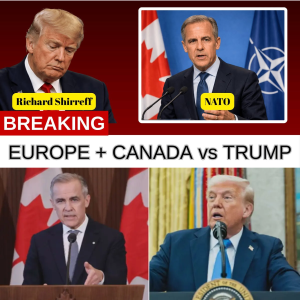
🚨 America’s Quiet Reckoning: Why Trump’s Trade Attacks on Canada Are Triggering a Crisis of Confidence at Home
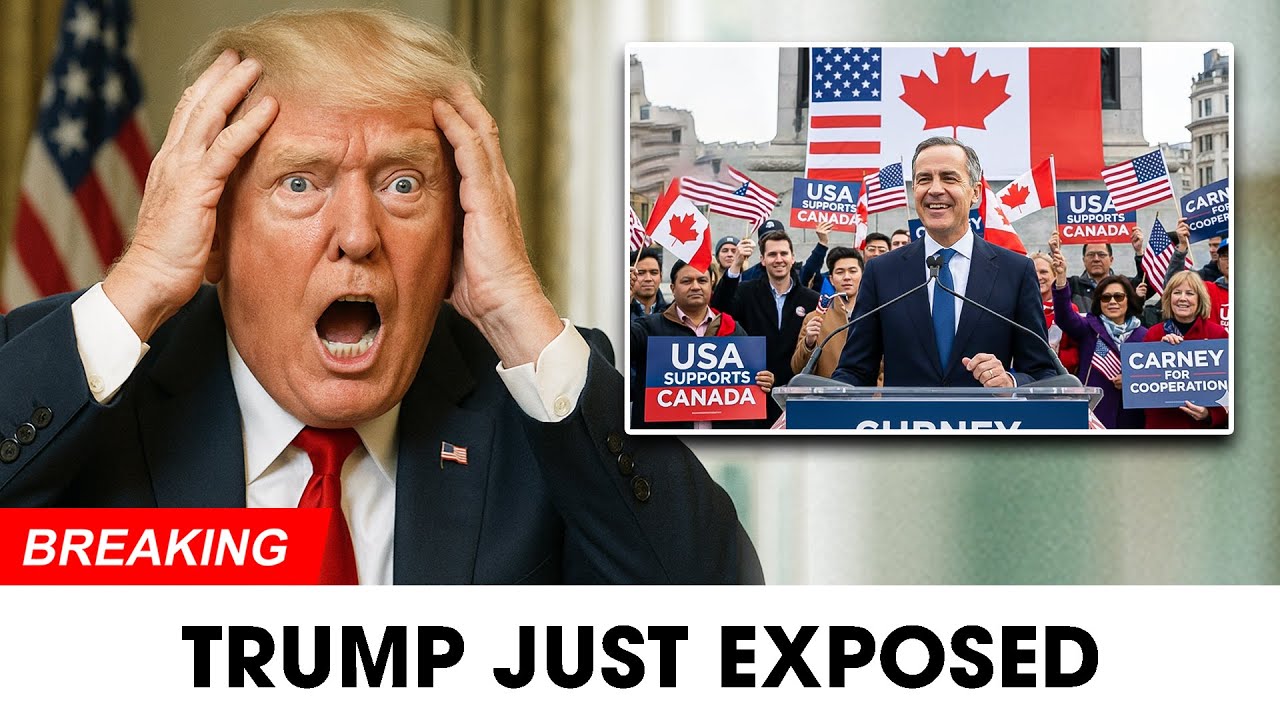
At first glance, it looks like another familiar flare-up in Donald Trump’s political universe: tariff threats, sharp rhetoric, and renewed attacks on America’s closest ally. But beneath the noise, something far more consequential is unfolding—an internal reckoning among Americans themselves about what real power and leadership actually look like in a globalized economy.
Trump’s latest escalation against Canada has reignited trade tensions and cast Ottawa as an adversary rather than a partner. That framing is not new. What is new is where the strongest pushback is coming from. Increasingly, the criticism is emerging from inside the United States, including veteran conservatives and long-time Republican strategists who argue that this approach is not strength, but self-sabotage.

Among the most prominent voices is Steve Schmidt, a seasoned Republican strategist who helped shape modern conservatism. His warning cuts deeper than partisan critique. Schmidt argues that the danger is not a bad headline or a media tactic, but a fundamental misunderstanding of how economic power is built—through trust, stability, and credible leadership, not intimidation.
Tariffs, often treated as abstract leverage, are anything but theoretical. They function as direct taxes that ripple through supply chains, raising prices, disrupting cross-border commerce, and hitting workers and small businesses first. From Midwest manufacturers to Florida tourism operators reliant on Canadian visitors, the real costs of trade chaos are borne far from Washington’s political stage.
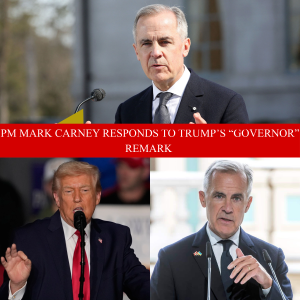
This is where the contrast with Canada’s leadership becomes stark. Mark Carney’s approach is deliberately calm, measured, and untheatrical. Rather than escalating rhetoric, he treats U.S.–Canada relations as what they truly are: a deeply integrated economic system where power lies in managing risk and preserving stability. That steadiness may not generate viral moments, but it builds confidence where it matters most.

Investors, workers, and international partners consistently reward predictability. As American policy becomes more erratic, Canada’s composure has begun to stand out—not as defiance, but as competence. Carney’s strategy of quietly diversifying trade relationships is not a rejection of the United States, but a rational hedge against uncertainty, the same risk management any household would practice.
What alarms critics like Schmidt is that America’s historic strength was never built by alienating allies. It was built by setting stable rules, honoring commitments, and making cooperation profitable for all sides. When that foundation erodes, the damage rebounds inward—through delayed investment, frozen hiring, weakened tourism, and rising insecurity for ordinary families.
This moment marks a broader shift in how leadership is being judged. More Americans are questioning the idea that chaos equals strength and recognizing that credibility, not volume, sustains power. The growing admiration for Canada’s steady governance is less about foreign politics and more about self-reflection. In a fragile global economy, trust has become the most valuable currency—and once it is spent recklessly, it is painfully hard to earn back.