The dramatic clash between Washington and Ottawa has escalated into one of the most revealing diplomatic confrontations of the young second Trump administration. At the center stands U.S. Treasury Secretary Scott Bessent, whose appearance on national television unraveled into a striking display of frustration after Canadian Prime Minister Mark Carney calmly dismantled a key White House claim.
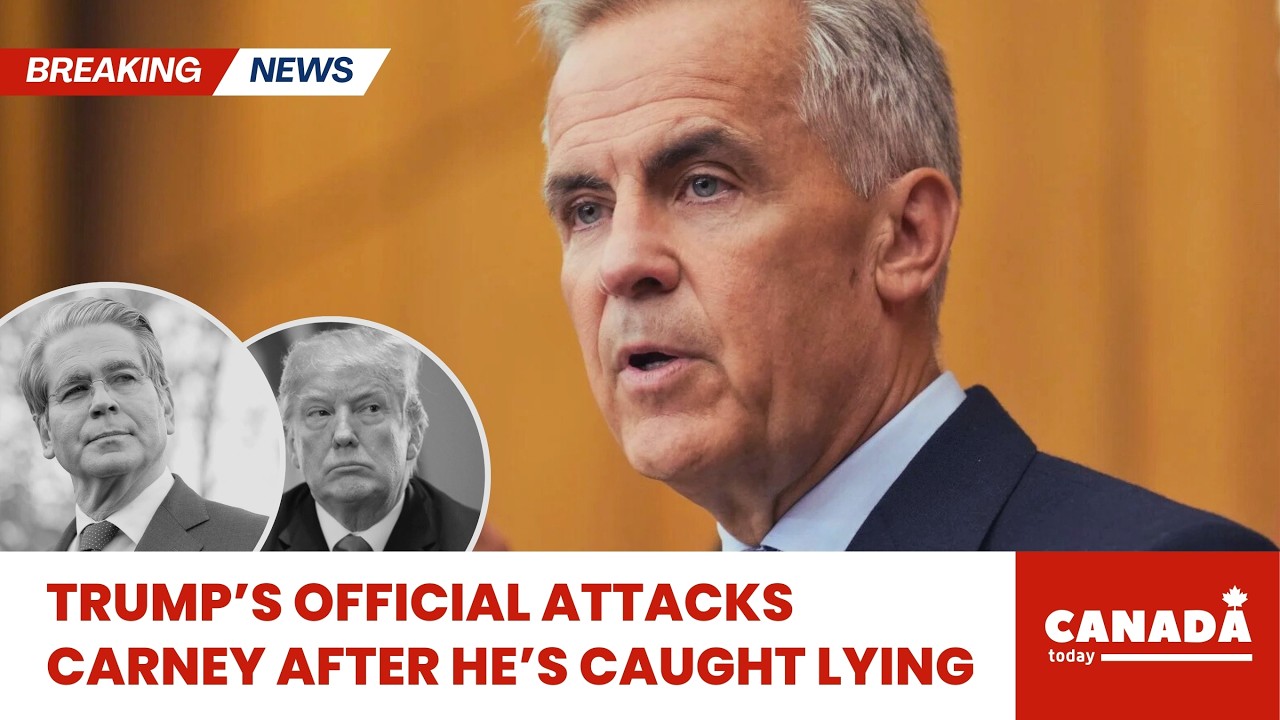
The episode traces back to Carney’s high-profile address at the World Economic Forum in Davos on January 20, 2026. In a measured yet pointed speech titled “Principled and Pragmatic: Canada’s Path,” the former central banker declared an irrevocable “rupture” in the postwar rules-based international order. He highlighted how great powers now operate without constraints, implicitly critiquing aggressive unilateral actions—including shifts in U.S. trade policy under President Donald Trump. Carney urged middle powers like Canada to pursue strategic autonomy, diversify partnerships, and resist economic coercion. The address drew a standing ovation, contrasting sharply with the cooler reception afforded to other leaders, including Trump himself during his own remarks.
Days later, tensions boiled over. President Trump initiated a phone call with Carney, ostensibly to discuss a range of global issues from Ukraine to Arctic security. According to Bessent, who claimed to have been present or briefed on the exchange, Carney had “very aggressively” walked back his Davos remarks, conceding to U.S. pressure and softening his critique of American trade shifts.

That narrative, however, collapsed almost immediately. Appearing before reporters in Ottawa, Carney directly contradicted the account. “To be absolutely clear, and I said this to the president, I meant what I said in Davos,” he stated firmly. He elaborated that Canada had been the first nation to recognize the profound change in U.S. trade approach and was actively adapting—securing 12 new economic and security deals across four continents in just six months. Far from retreating, Carney emphasized that Trump had appeared “impressed” by these moves during their conversation.
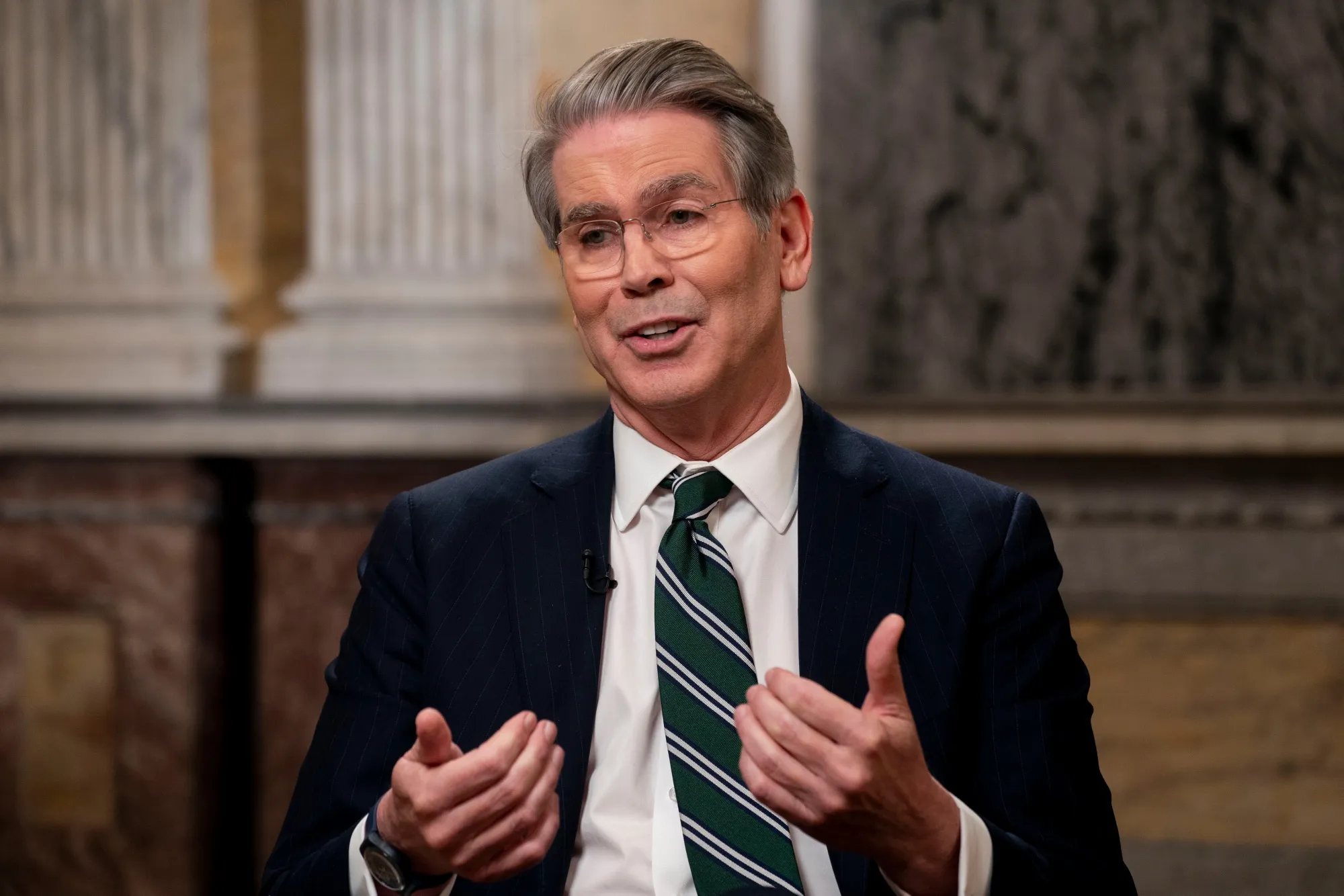
The public refutation left the White House claim in tatters. Rather than issue a correction or allow the matter to fade, Bessent returned to television. In a CNBC interview, he pivoted from defending the disputed facts to launching a personal broadside against Carney. He dismissed the prime minister as a “technocrat” ill-suited to politics, accused him of “virtue signaling,” and urged him to prioritize Canadians over grandstanding. The remarks carried an unmistakable edge of resentment, mocking Carney’s background in global finance and suggesting his leadership style would ultimately falter.
This sequence—from manufactured submission to exposed discrepancy to personal attack—illuminates a deeper pattern in the current administration’s approach to international relations. When narrative control slips, the instinct appears to be escalation through surrogates rather than adjustment based on evidence. Carney, by contrast, maintained composure, sticking to facts without descending into ad hominem rhetoric. His refusal to flinch or personalize the disagreement only amplified the asymmetry: one side doubled down on insults, the other on clarity.
The stakes extend far beyond a single phone call or speech. Looming ahead is the scheduled review of the United States-Mexico-Canada Agreement (USMCA), a pact that shields much of bilateral trade from broader tariff threats. Carney’s diversification push—bolstered by new accords and a deliberate pivot away from overreliance on the U.S. market—signals Canada’s intent to hedge against unpredictability. Trump’s threats of steep tariffs, including potential 100% duties tied to other geopolitical maneuvers, have already rattled industries on both sides of the border.

Analysts note that this incident exposes vulnerabilities in a strategy reliant on dominance and spectacle. When a foreign leader like Carney receives global acclaim for principled defiance while refusing to bend privately, it challenges the premise that pressure invariably yields compliance. The former Canadian ambassador’s observation rings true here: Trump’s orbit thrives when others react and accommodate; defiance disrupts that dynamic, prompting louder rhetoric as a bid to reclaim relevance.
In the end, the episode underscores a shifting landscape. Carney’s steady hand and factual rebuttal did not merely correct the record—it highlighted who appeared rattled. As trade negotiations intensify and global alliances realign, such moments may prove pivotal in determining leverage in an era where old certainties no longer hold. The rupture Carney described at Davos is not abstract; it manifests in real-time exchanges like these, where composure confronts bluster and facts confront fabrication.