When tensions between Ottawa and Washington flare, they usually do so over tariffs, defense spending or regulatory disputes. This week, the rupture was more personal. A pointed remark from the United States ambassador to Canada set off a diplomatic clash that quickly became a test of tone, sovereignty and political resolve.
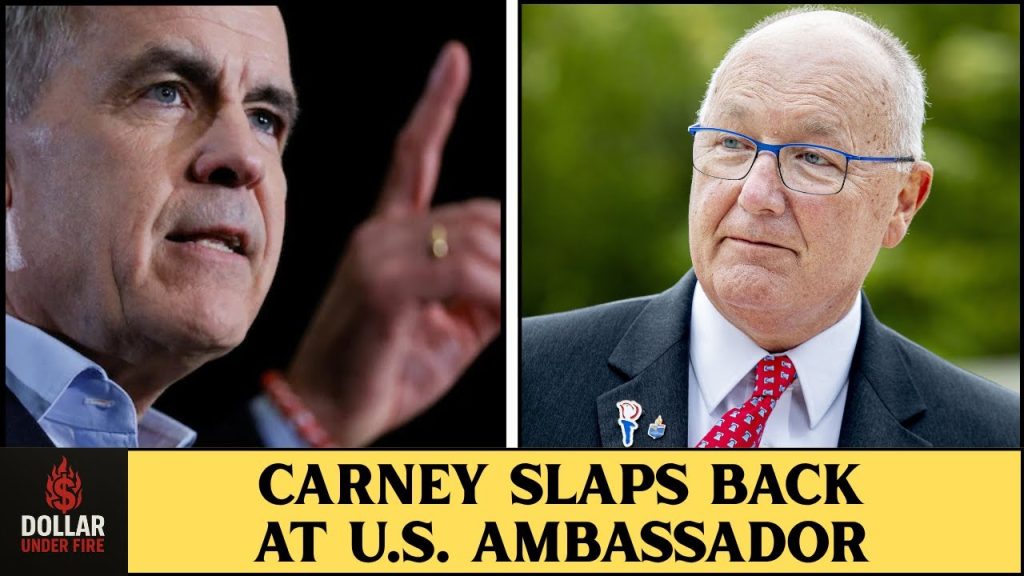
The ambassador, speaking at a public event, suggested that ordinary Canadians had grown indifferent to the bilateral relationship and accused Prime Minister Mark Carney of pursuing an “anti-American” political strategy. The language was striking not only for its bluntness but for its setting: it was delivered on Canadian soil, before cameras, in a country whose economic and security ties with the United States are among the deepest in the world.
Within hours, Mr. Carney responded. He did not match the rhetoric. Standing before reporters in Ottawa, he said Canada would not accept lectures about loyalty and that any future agreements with Washington would be judged solely on whether they served Canadian interests. The response was brief, controlled and devoid of personal insult. Yet the message was unmistakable: sovereignty is not a favor extended by allies.
The exchange comes at a sensitive moment in U.S.–Canada relations. Since President Donald Trump returned to office, trade tensions have simmered over steel, aluminum and agricultural access. Canada remains the United States’ largest export market and its closest military partner, but trust has been strained by tariff threats and abrupt policy shifts. In that context, the ambassador’s remarks were interpreted by some in Ottawa as part of a broader pattern of pressure.
Diplomatic historians note that ambassadors traditionally tread carefully in public commentary about domestic politics in host countries. Even mild criticisms can be read as interference. By framing Canadian public sentiment as apathetic or hostile, the ambassador stepped into politically charged territory. For many Canadians, the suggestion that enthusiasm for the relationship should be demonstrated felt less like outreach and more like reprimand.
Mr. Carney’s reaction reflects a shift in Canada’s strategic posture. Over the past several years, Ottawa has pursued trade diversification through agreements with Europe and Indo-Pacific partners while investing in critical minerals and domestic energy capacity. These moves do not replace the American market, which accounts for roughly three-quarters of Canadian exports, but they create alternatives. Alternatives alter leverage.
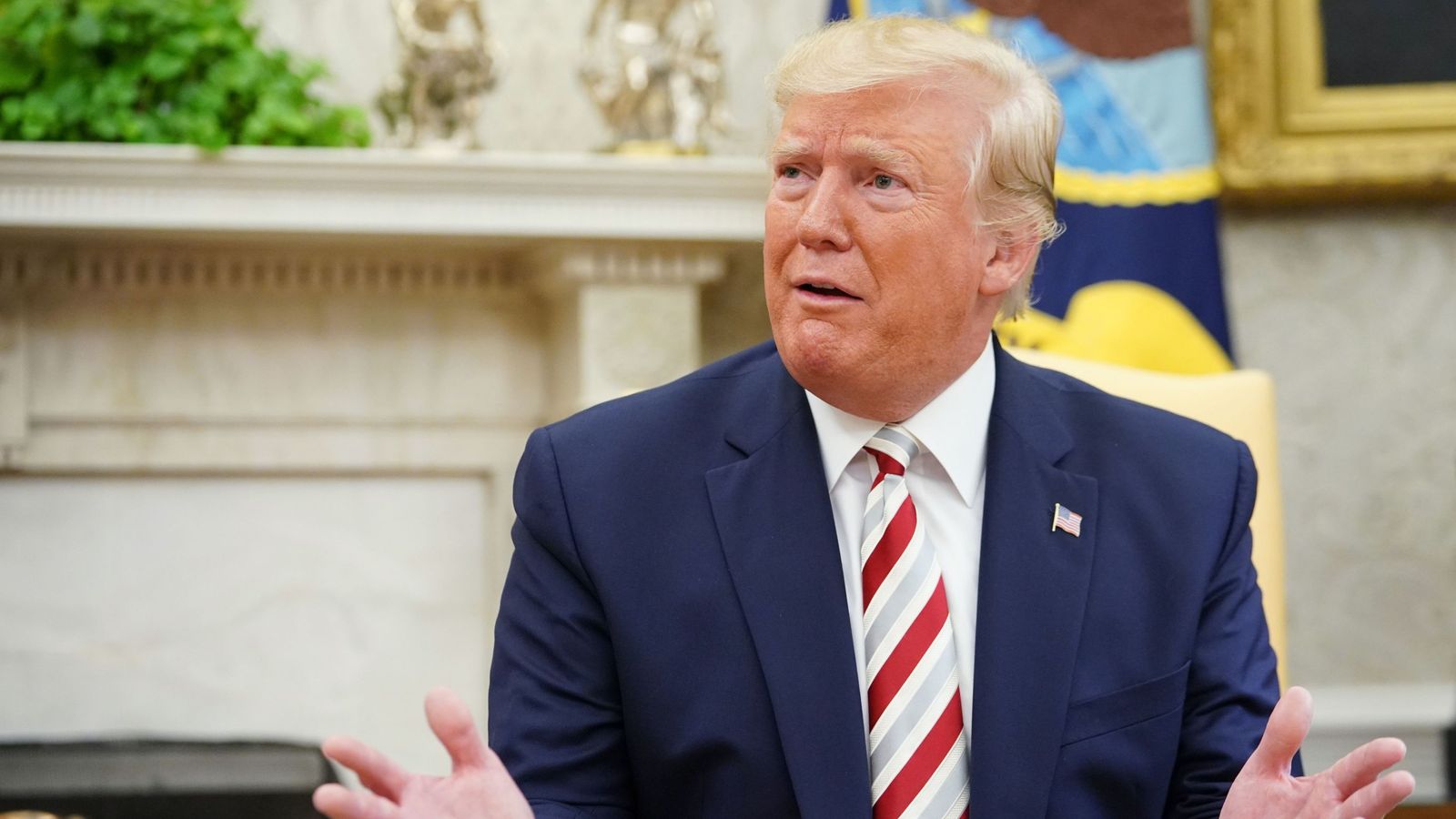
In Washington, officials privately downplayed the episode, describing it as a disagreement over tone rather than policy. Yet the optics are difficult to ignore. In an era when diplomatic spats unfold instantly on social media, perception can matter as much as substance. A public rebuke from a host government, delivered calmly and without escalation, can resonate far beyond the original exchange.
The political dimensions are equally significant. For Mr. Carney, who has emphasized economic resilience and institutional stability, projecting composure under pressure reinforces his brand as a technocratic leader. For Mr. Trump, whose negotiating style often relies on visible dominance, public resistance from close allies complicates the narrative of unquestioned leverage.
None of this suggests a breakdown in the broader relationship. Defense coordination through NATO continues. Intelligence sharing remains robust. Cross-border supply chains in autos, agriculture and energy are deeply embedded. But moments like this expose the emotional undercurrents beneath structural interdependence. Trust, once strained, does not automatically regenerate.
The larger question is how both governments recalibrate. If Washington interprets Ottawa’s firmness as defiance, further friction may follow. If instead it views the response as a signal that respect and predictability are prerequisites for cooperation, the episode could serve as a corrective rather than a rupture.
Diplomacy often turns on small moments — a phrase uttered too sharply, a response delivered too coolly. What distinguishes this one is the clarity of the message it sent. Canada, long accustomed to managing asymmetry with quiet pragmatism, signaled that it will engage as a partner, not as a subordinate. Whether that recalibration stabilizes or unsettles the relationship will depend on what happens next, not in front of cameras, but in the quieter rooms where policy is ultimately made.