When trade tensions between the United States and Canada intensified last year, much of the attention focused on the potential damage: tariffs, tourism slowdowns and cross-border supply chain disruptions. What received less scrutiny at the time was where the displaced economic activity would ultimately flow.

New data suggest that a significant portion of it stayed in Canada.
Statistics Canada reported record domestic tourism spending over the summer months, with gains spread across multiple provinces rather than concentrated in a single urban center. British Columbia saw elevated occupancy rates in resort towns such as Whistler. Atlantic Canada experienced one of its strongest domestic visitor seasons in more than a decade. Quebec’s historic districts and Ontario’s wine regions reported higher proportions of Canadian travelers relative to American visitors.
Economists describe the phenomenon as demand displacement. When Canadian households curtailed travel to the United States amid tariff disputes and political friction, many redirected those expenditures domestically. Airline bookings and highway traffic data indicate that the shift was not marginal. Surveys found that more than a quarter of Canadians altered or canceled U.S. travel plans, opting instead for destinations within the country.
The effect rippled outward. Hotels required additional staff. Restaurants extended seasonal hiring. Tour operators added capacity. The Canadian Federation of Independent Business reported improved confidence among hospitality-oriented small businesses in several provinces. While no single quarter transformed the economy, the direction of movement has been consistent enough to attract policy attention.
The change has not been confined to tourism. Retailers have expanded shelf space for domestically produced goods, responding to a surge in “Buy Canadian” sentiment. Provincial liquor boards noted increased market share for Canadian beer and wine brands. Some grocery chains introduced clearer labeling of domestic products, citing consumer demand for transparency amid trade disputes.
Corporate procurement patterns appear to be shifting as well. Executives at manufacturing and services firms have spoken on earnings calls about reassessing supplier exposure to U.S.-based partners. Unlike consumer preferences, which can reverse quickly, supplier contracts often lock in multi-year relationships. Analysts caution that diversification does not equate to decoupling, but it can incrementally reduce reliance on a single market.
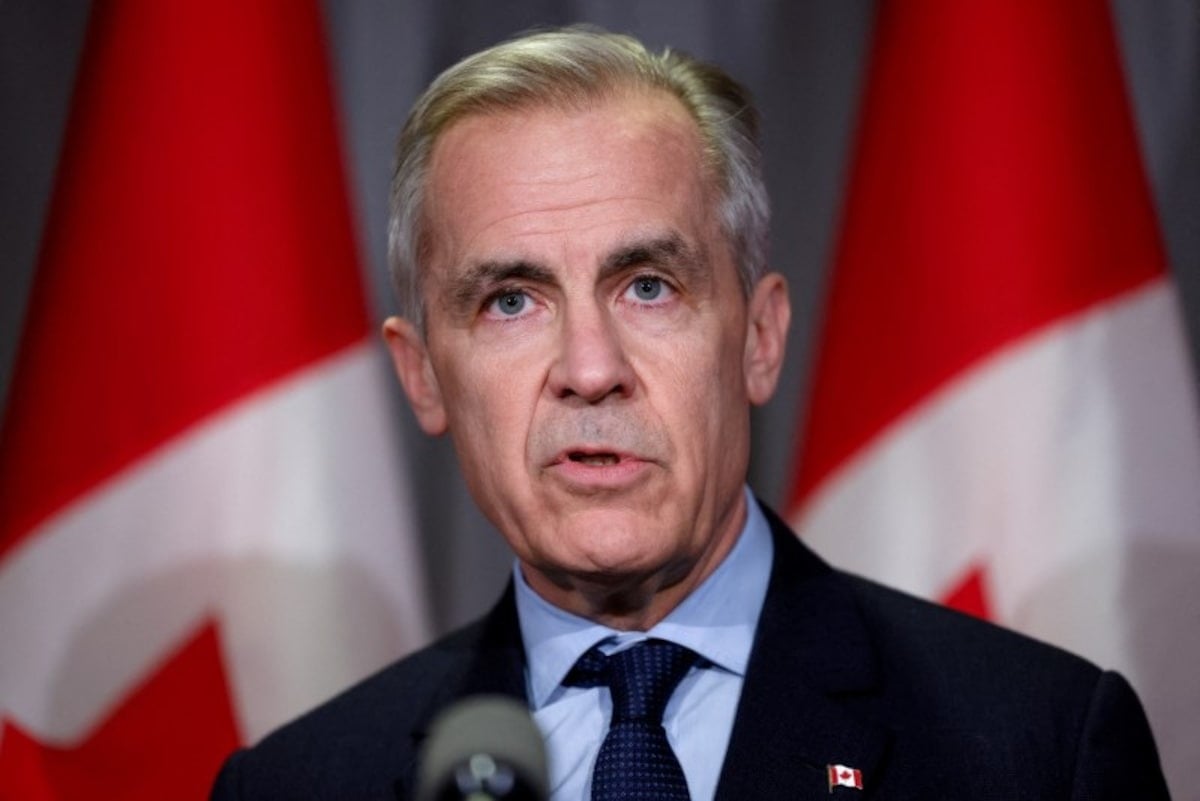
Prime Minister Mark Carney has framed the adjustment as economic resilience rather than retaliation. His government has emphasized domestic investment, expanded infrastructure spending and new trade missions aimed at strengthening ties beyond North America. Officials argue that reducing concentration risk is prudent in a period of global volatility.
The dynamic mirrors historical precedents. During periods of currency weakness and geopolitical uncertainty, Australia experienced a similar surge in domestic tourism. Subsequent studies found that some of those behavioral changes endured even after exchange rates stabilized. Once households discovered alternative vacation habits, many did not revert entirely to prior patterns.
Critics note that Canada’s current momentum is not immune to macroeconomic constraints. A relatively weak Canadian dollar has made foreign travel more expensive, contributing to domestic substitution. Should currency conditions shift or trade tensions ease, some outbound travel may resume. The durability of the present cycle remains an open question.
Still, the episode underscores a broader reality: trade disputes do not simply subtract economic activity; they reallocate it. Money once spent in American theme parks and outlet malls has flowed instead to Canadian bed-and-breakfasts, regional wineries and national parks. Contracts once routed through U.S. suppliers have been reconsidered, sometimes replaced.
For decades, the economic relationship between Canada and the United States deepened almost automatically. Integration was treated as structural, rarely revisited outside of formal trade negotiations. The past year has complicated that assumption. Political rhetoric and tariff threats introduced uncertainty into a system long defined by predictability.
Whether the shift ultimately leaves Canada “richer” in aggregate terms depends on time horizon and sectoral outcomes. The U.S. remains Canada’s largest trading partner by a wide margin, and cross-border supply chains are deeply intertwined. But early evidence suggests that, at least in some areas, economic pressure catalyzed domestic reinvestment rather than contraction.
In an interconnected marketplace, leverage can have unintended consequences. Policies designed to extract concessions abroad may stimulate adaptation at home. For Canada, the question now is whether the inward turn represents a temporary response to friction or the beginning of a more permanent recalibration of economic identity.