A historic shift is quietly reshaping North American trade, and Washington is no longer at the center of it. Canada and Mexico have unlocked a powerful new logistics corridor through Canadian Pacific Kansas City (CPKC), a single-line rail network that moves goods directly between the two countries—without relying on U.S. ports. With more than $500 million in fresh investment, this rail corridor is redefining grain exports, undermining traditional American dominance, and permanently altering continental trade flows.
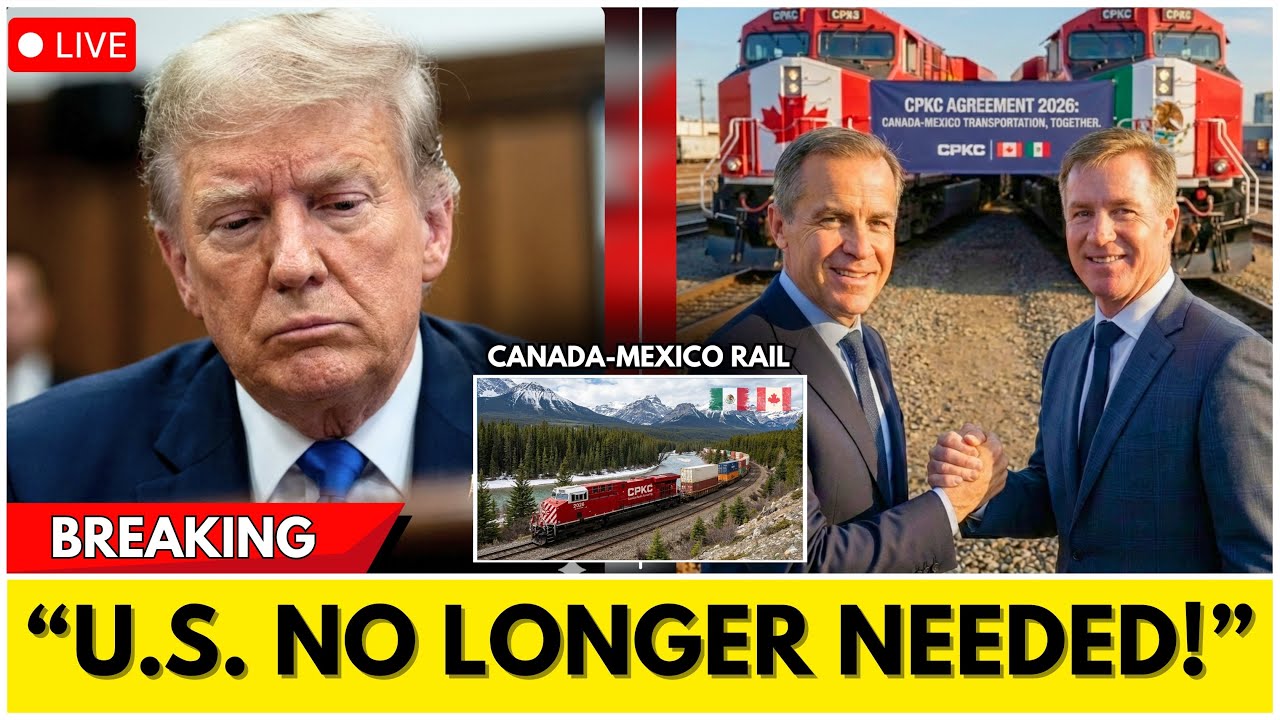
At the heart of this transformation is CPKC, the only railway that directly connects Canada, the United States, and Mexico on a single integrated network. Spanning 32,000 kilometers, it allows grain harvested in Manitoba to reach bakeries in Mexico City without changing rail operators or touching U.S. export infrastructure. No congested American ports. No political inspection delays. No tariff uncertainty. For Canadian exporters and Mexican buyers alike, this seamless route delivers something increasingly rare in global trade: predictability.
This new corridor is not symbolic—it is industrial scale. CPKC has purchased 5,900 high-capacity hopper cars and 100 Tier 4 locomotives to dramatically expand grain-moving capacity. By 2025–2026, the network will handle up to 34 million metric tons of Canadian grain annually. These are long-life assets designed to operate for decades, meaning this shift is not temporary. Steel, tracks, crews, and contracts are already in place, locking in a permanent reorientation of North American supply chains.
Mexico is a natural partner in this realignment. With a population of 130 million and a fast-growing middle class, Mexican demand for high-quality grain is rising steadily. Canadian Western Red Spring wheat—renowned for its protein content and baking performance—fits perfectly. Combined with streamlined electronic phytosanitary certification and reliable rail service, Canada now offers Mexico a stable alternative to an increasingly unpredictable U.S. supplier.
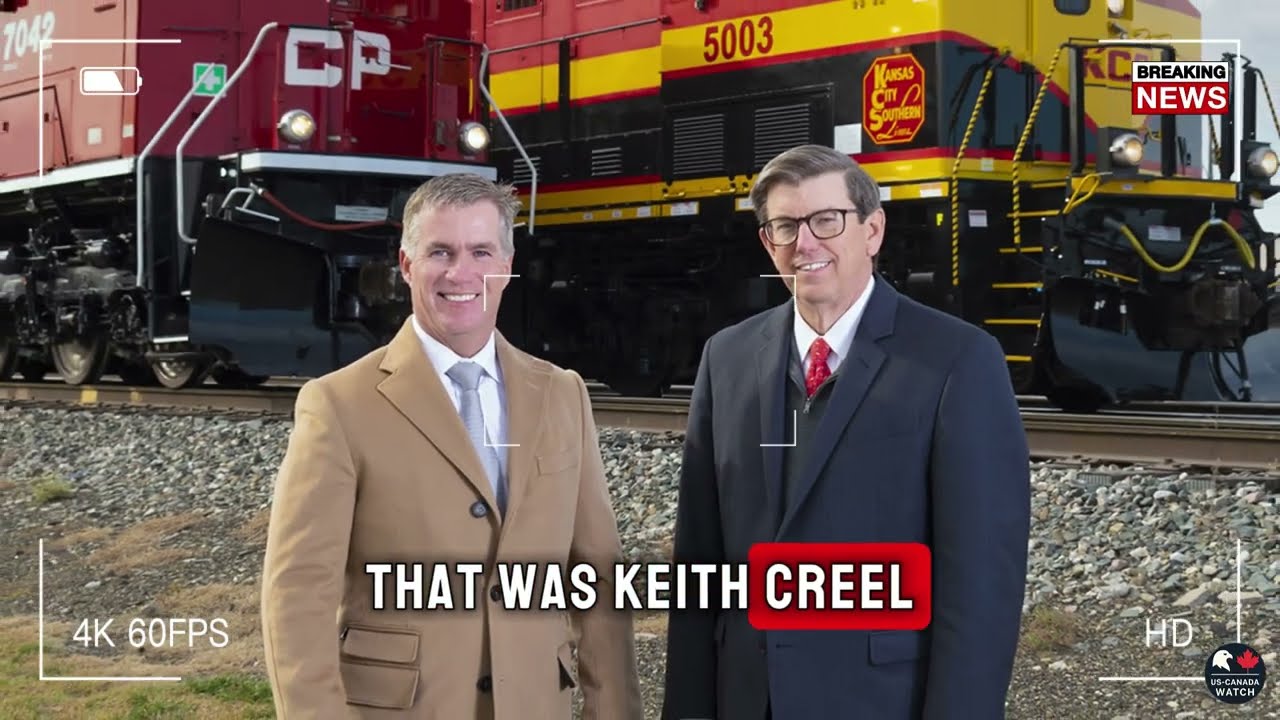
The economic consequences for the United States are significant. For decades, Canadian grain flowed through U.S. ports in the Pacific Northwest and Gulf Coast, generating billions in port fees, shipping services, and logistics revenue. That value chain is now being bypassed. Trains cross U.S. territory only in transit, like aircraft flying overhead without landing. American ports lose traffic, jobs, and influence—while Canada and Mexico capture the full economic benefit.
Most critically, this infrastructure erases political leverage. Tariffs, port fees, and inspection slowdowns no longer apply when trade does not touch U.S. systems. The CPKC corridor is legally protected under continental trade agreements and physically embedded in steel and stone. Once trade routes shift and relationships form, they rarely reverse. What began as a defensive response to uncertainty has become a strategic breakthrough—one that permanently reshapes North American commerce, with Canada and Mexico now more connected than ever before.