TRUMP BLINDSIDED as Tariffs IMPLODE — US SUPREME COURT REJECTS $134 BILLION EMERGENCY POWERS
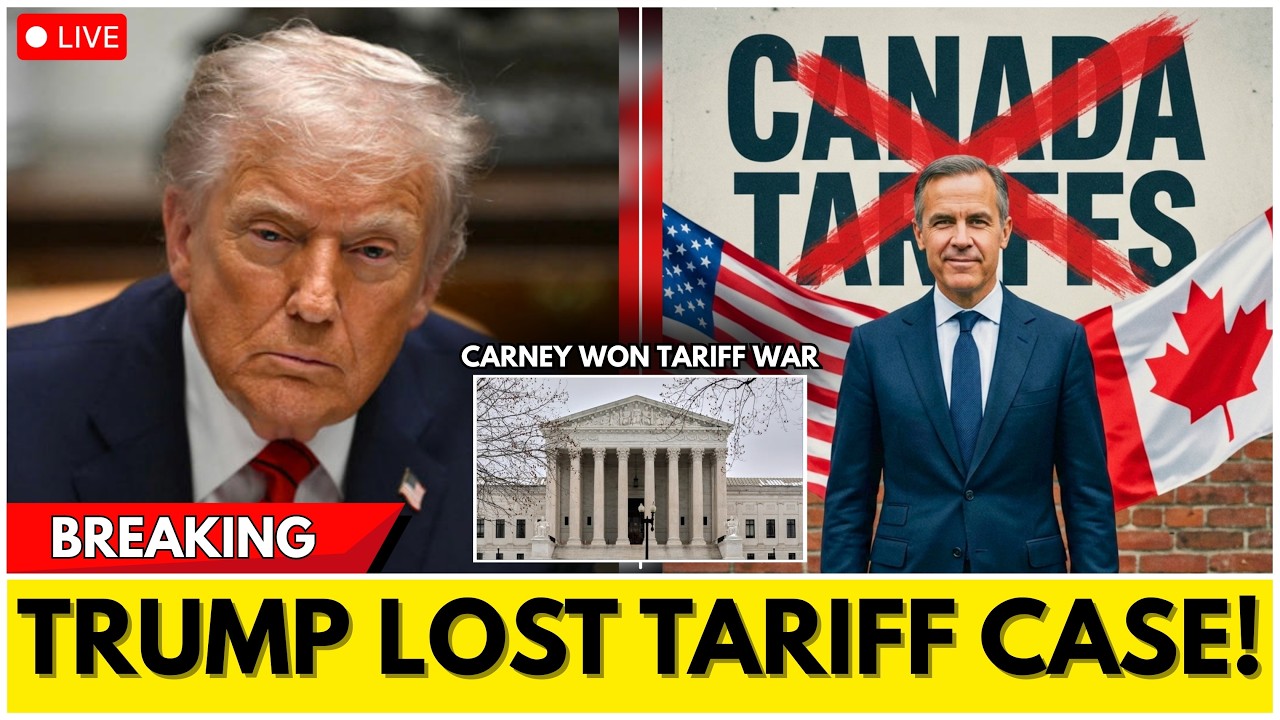
In a landmark decision that reshapes U.S. trade policy, the Supreme Court has ruled against the use of emergency powers for imposing tariffs, affecting billions in international commerce. This 6-3 ruling voids tariffs levied on Canada and other nations, highlighting limits on executive authority in economic matters. As global markets react, questions arise about future negotiations and refunds for collected duties.
Background on the Trade Dispute
The tensions between the United States and Canada escalated under President Trump’s administration, with threats of 25% to 35% tariffs on Canadian goods. These measures were justified under the International Emergency Economic Powers Act (IEEPA), citing issues like fentanyl trafficking as national emergencies. Trump aimed to pressure Canada into concessions without congressional oversight, creating a cycle of retaliation and uncertainty for businesses on both sides of the border.
Canadian officials, including Trade Minister Dominic LeBlanc, consistently argued that these tariffs violated U.S. law and international trade agreements. The dispute drew in broader implications for bilateral relations, as Canada positioned itself defensively by seeking alternative markets and partnerships. This backdrop set the stage for legal challenges that culminated in the Supreme Court’s review.
The Supreme Court’s Historic Ruling
On February 20, 2026, the U.S. Supreme Court delivered a 6-3 decision in cases like Learning Resources, Inc. v. Trump, declaring that IEEPA does not authorize the imposition of tariffs. Chief Justice John Roberts, writing for the majority, emphasized that Congress grants tariff powers with explicit constraints, and the act’s language on “regulating importation” does not extend to duties or tariffs. This interpretation aligns with constitutional principles vesting taxing authority in Congress under Article I, Section 8.
The ruling voids approximately $134 billion in tariffs collected since their implementation, including those specifically targeting Canada. Justices noted that emergency declarations cannot bypass standard legal processes for trade actions. Dissenting opinions, including from Justice Brett Kavanaugh, raised concerns about the logistics of refunds but did not sway the majority’s view on the law’s limits.
This decision not only strikes down the tariffs but also curtails future unilateral executive actions in trade, requiring adherence to statutes like Section 232 or 301, which involve investigations, public comments, and potential judicial scrutiny.
Implications for Canada and Bilateral Trade
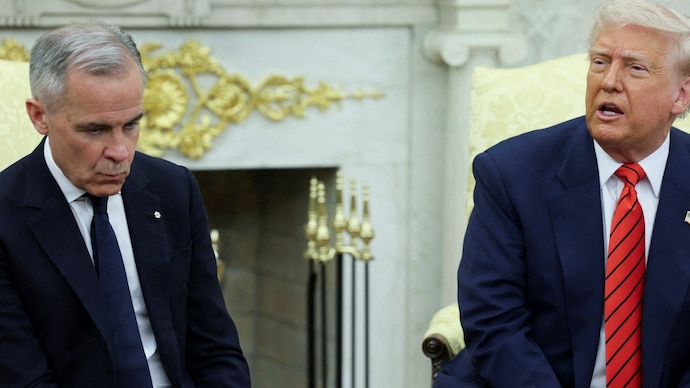
For Canada, the ruling represents a significant vindication of its stance against what it deemed unjustified tariffs. Officials have highlighted how the decision reinforces the need for rule-based trade, reducing the immediate threat of overnight economic disruptions. Canadian businesses, previously burdened by uncertainty, now gain stability to plan investments and operations without the specter of sudden duties.
The judgment eliminates Trump’s primary tool for leverage, shifting dynamics toward procedural mechanisms that provide time for preparation and alliance-building. Canada’s diversification efforts, such as trade agreements with China for agriculture exports worth $7 billion and defense pacts with Europe valued at 150 billion euros, stand strengthened. Infrastructure projects like the Gordie Howe Bridge, fully funded by Canada at $6.4 billion, underscore a strategy of reducing dependence on U.S. approval.
Moreover, the potential for refunds creates fiscal challenges for the U.S. Treasury, as importers seek restitution for illegally collected funds. This could amount to $150 billion across affected countries, prompting complex legal proceedings in lower courts.
Broader Global Repercussions
The Supreme Court’s decision extends beyond Canada, impacting tariffs on nations like China, Mexico, and Europe imposed under similar emergency pretexts. It sets a precedent that may encourage other countries to challenge U.S. trade actions through American courts, promoting a more predictable international trade environment.
President Trump’s response, including the imposition of a new 10% global tariff under alternative authorities, signals ongoing tensions. However, these moves must navigate stricter legal hurdles, potentially delaying implementation and allowing time for diplomatic resolutions. The upcoming review of the USMCA adds another layer, where threats of withdrawal carry risks to integrated supply chains in industries like automotive and energy.
Analysts suggest this ruling empowers middle powers like Canada to resist coercion by building resilient alternatives. Partnerships in the Arctic with Denmark and Greenland, along with intelligence-sharing initiatives, position Canada as a key player independent of U.S. dominance.
Looking Ahead: Trade Policy in Flux
As the dust settles, the decision underscores the balance of powers in U.S. governance, limiting executive overreach in economic policy. For political figures like Trump, it poses challenges to fulfilling campaign promises on trade protectionism without legislative support.
Canada’s approach under leaders like Mark Carney—focusing on sovereignty and diversification—emerges as a model for navigating great-power pressures. While conflicts may persist, the ruling ensures they unfold within established legal frameworks, fostering dialogue over unilateralism.