TRUMP BLINDSIDED: 100% TARIFF THREAT BACKFIRES — CARNEY SHOCKS WASHINGTON WITH SWIFT COUNTER-MOVE! 🇨🇦
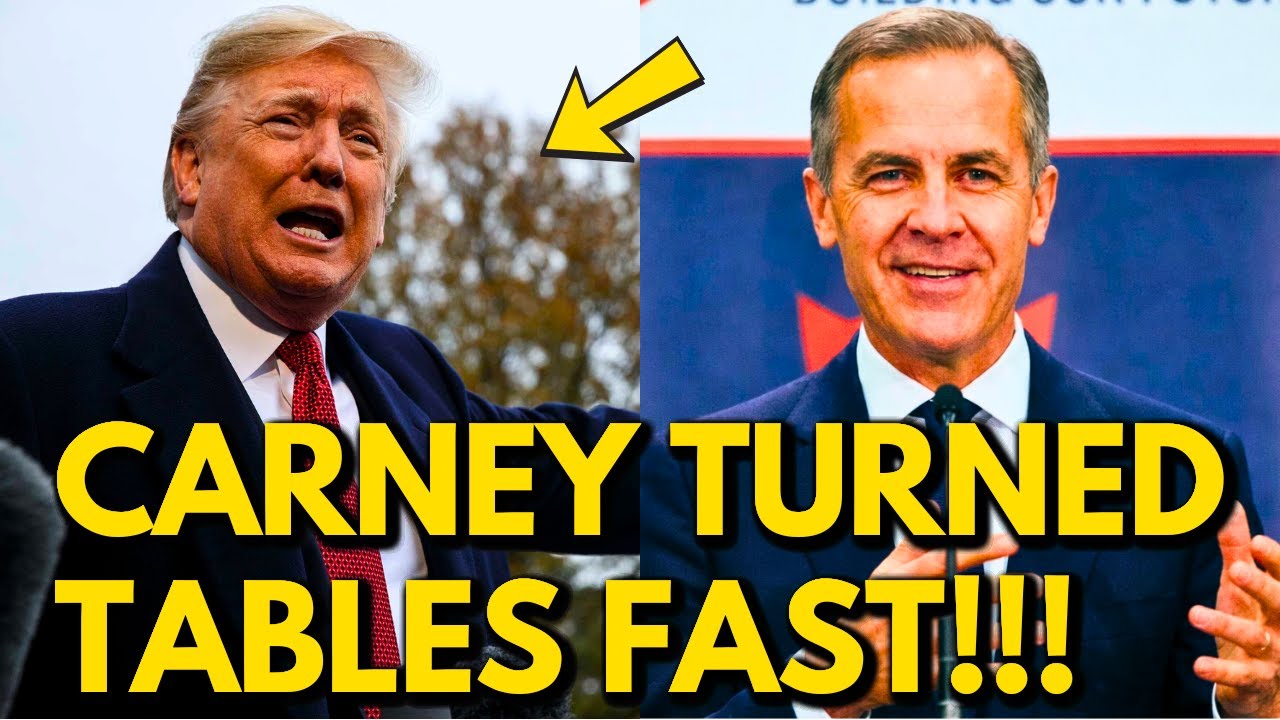
In a stunning escalation of transatlantic tensions that has rattled financial markets and diplomatic circles alike, President Donald J. Trump’s abrupt threat to impose 100 percent tariffs on all Canadian goods has not only failed to force concessions from Ottawa but has instead spotlighted the limits of American economic coercion in an increasingly multipolar world. What began as a calculated pressure tactic—aimed at blocking any perceived Canadian pivot toward China—has rapidly unraveled, leaving U.S. policymakers scrambling and exposing deep vulnerabilities in North American supply chains.
The crisis ignited in late January 2026, when Trump, via his Truth Social platform, warned that if Prime Minister Mark Carney pursued closer ties with Beijing, Canada would face immediate 100% duties on exports to the United States. The threat followed Carney’s recent visit to China, where Ottawa secured targeted tariff reductions: lowering levies on Chinese electric vehicles to 6.1% (with an initial cap of 49,000 units annually) in exchange for Beijing slashing duties on key Canadian agricultural products, including canola oil from 85% to 15%. Trump labeled the move a potential “Drop Off Port” for Chinese goods evading U.S. barriers, vowing swift retaliation.
Yet Carney’s response was measured, firm, and unexpectedly effective. In public statements and interviews, the former Bank of England governor dismissed the tariff ultimatum as negotiating “bluster,” emphasizing Canada’s adherence to the USMCA (known as CUSMA in Canada) and its refusal to pursue a full free-trade agreement with China—a non-market economy. Instead, he framed the China adjustments as rectifying lingering retaliatory measures from earlier trade spats, while accelerating a broader “Buy Canadian” strategy to diversify away from overreliance on the U.S. market, which absorbs roughly 70% of Canadian exports.
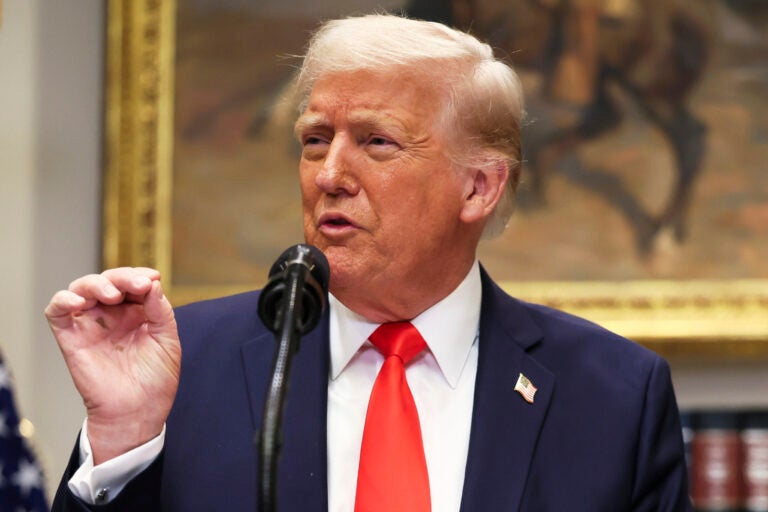
The backfire has been swift and multifaceted. American industries dependent on Canadian inputs—steel, aluminum, auto parts, and energy—now confront heightened uncertainty, with supply-chain analysts warning of potential disruptions costing billions in lost efficiency. U.S. manufacturers, already grappling with domestic inflation pressures, face rising costs if tariffs materialize, while Canadian firms quietly pivot toward European and Asian partners. Carney’s calm pivot has bolstered his domestic standing, with provincial leaders from Manitoba to British Columbia rallying behind the narrative of sovereignty and resilience.
This episode underscores a profound shift. Trump’s approach, rooted in unilateral leverage, has encountered a counterpart skilled in multilateral maneuvering and economic pragmatism. Carney, leveraging his global financial pedigree, has turned the confrontation into an opportunity to reinforce Canada’s strategic autonomy—echoing his pointed Davos remarks about great powers weaponizing integration and tariffs. Washington, caught off guard by the lack of immediate capitulation, now faces a renegotiation of the USMCA under less favorable optics.
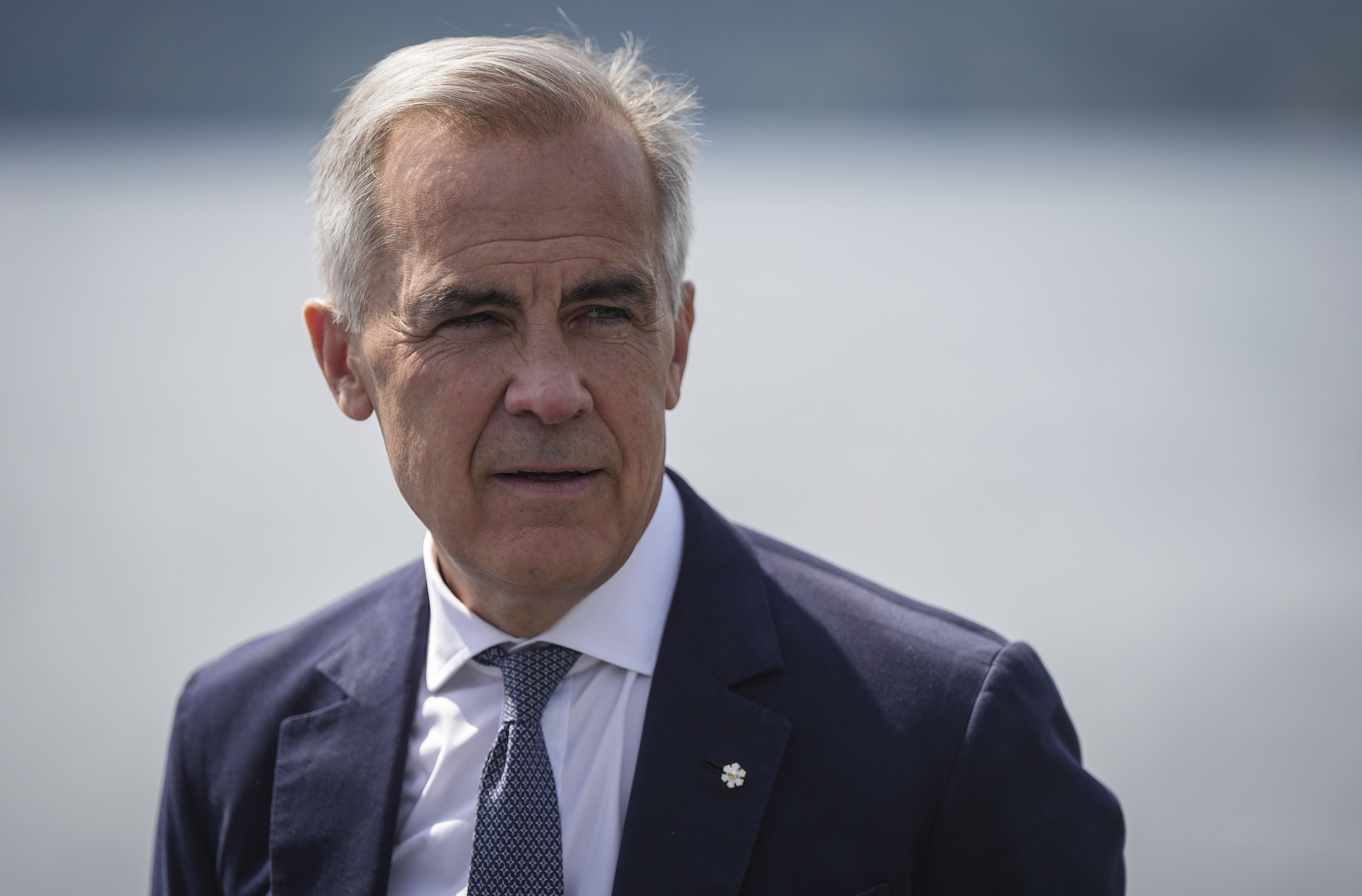
The broader implications ripple far beyond bilateral trade. As middle powers like Canada forge independent paths amid U.S.-China rivalry, the fragility of economic assumptions built on deep integration stands exposed. What Trump intended as a show of strength has instead highlighted the risks of overreach, potentially emboldening other allies to pursue diversified strategies.
In Ottawa, the mood remains resolute: Canada will build partnerships abroad and at home, prepared to defend its interests without escalation. The tariff threat, once a blunt instrument, now appears as a miscalculation in a game where quiet diplomacy and strategic patience may prove the stronger hand. For now, the North American economic partnership hangs in delicate balance, with the next moves likely to define the continent’s trade architecture for years to come.