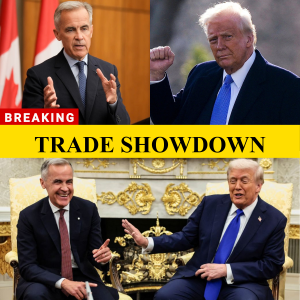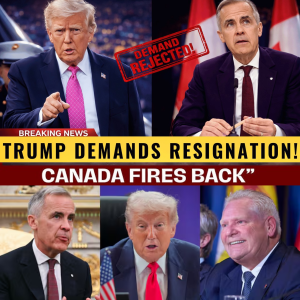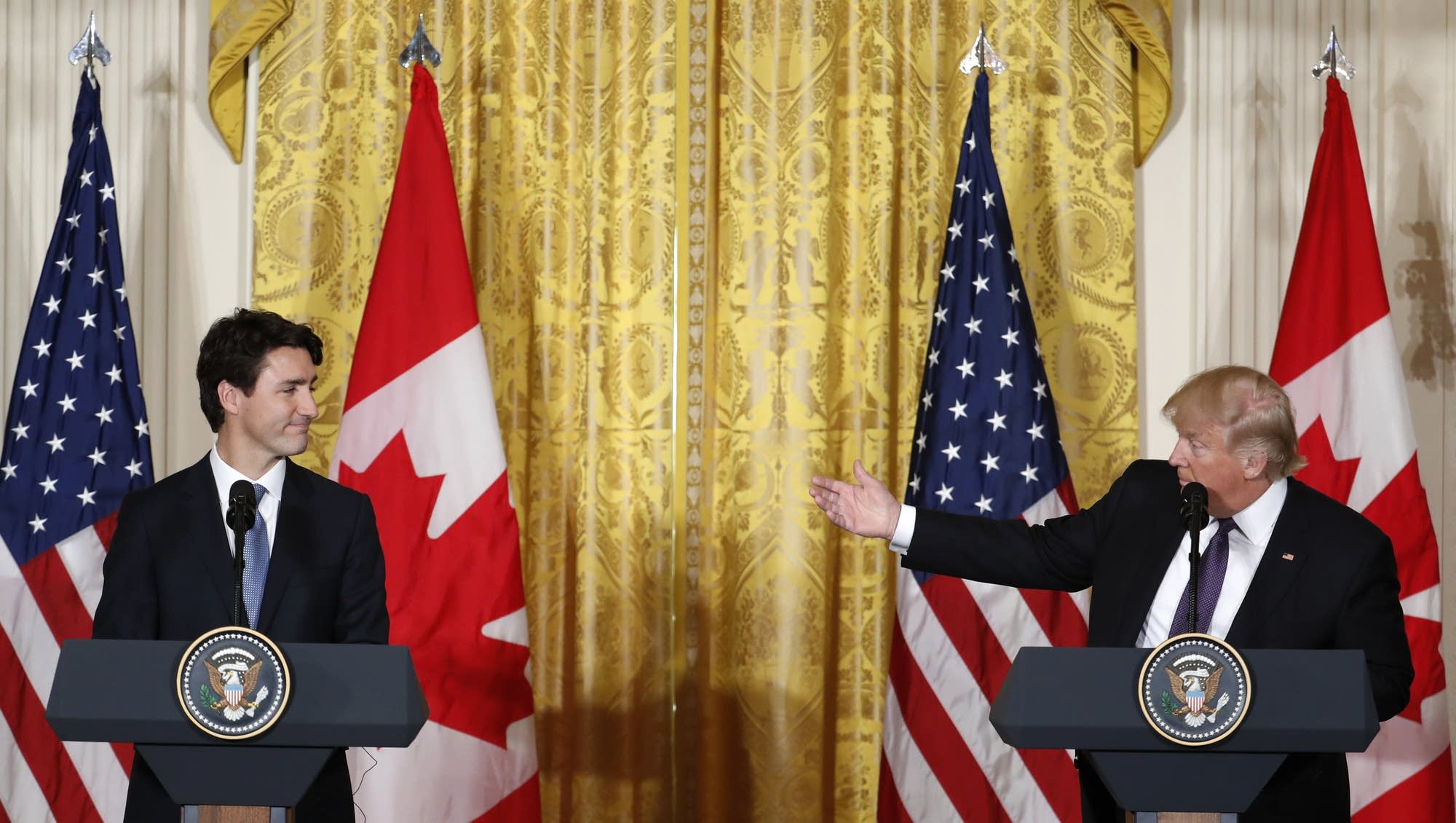
The normally steady U.S.–Canada partnership jolted this week after President Donald Trump threatened a sweeping 25% tariff on Canadian automobiles, demanding Ottawa scrap its digital services tax and open its tightly protected dairy market.
Instead of signaling compromise, Prime Minister Mark Carney delivered a blunt refusal. He warned Canada would respond with carefully targeted retaliation, potentially hitting U.S. energy exports and intellectual property protections where it hurts most.
Financial markets reacted within hours. Shares of major American automakers dipped as investors calculated the cost of disrupted supply chains. North of the border, Canada’s broader market held relatively firm, projecting an image of strategic calm.

The stakes extend far beyond politics. The North American auto industry operates as a single, intricately connected ecosystem. Vehicles assembled in Michigan may cross the border multiple times before completion, intertwining jobs, factories, and livelihoods.
Imposing tariffs would not merely penalize Canadian manufacturers. It could raise production costs for U.S. plants, inflate sticker prices for consumers, and squeeze workers in states that rely heavily on cross-border trade flows.
Energy adds another combustible layer. Canada remains the largest foreign supplier of crude oil to the United States. That dominance grants Ottawa leverage few trade partners possess, particularly as energy prices remain politically sensitive.

For Trump, the moment presents a strategic dilemma. Following through could reinforce his image as an uncompromising defender of American industry. Yet it risks market turbulence, higher prices, and economic headwinds ahead of a critical election cycle.
Backing down carries its own peril. Political opponents would likely frame any retreat as weakness, undercutting the muscular trade posture that has long animated his base. In a polarized environment, perception can prove as consequential as policy.
Analysts outline three plausible scenarios. The first is a contained, temporary trade war, marked by symbolic tariffs and swift negotiation. The second is escalation, triggering broader economic retaliation that reverberates across sectors.

The third possibility is quieter but more enduring: Canada accelerating efforts to diversify trade toward Europe and Asia, gradually loosening economic reliance on its southern neighbor. Such a pivot would reshape North American integration for years.
Diplomatic language has hardened, yet both governments understand the depth of mutual dependence. Billions in daily trade, shared infrastructure, and intertwined labor markets complicate any attempt at economic brinkmanship.
What makes this confrontation particularly volatile is timing. Inflation concerns linger, voters remain economically anxious, and financial markets are hypersensitive to geopolitical risk. Even symbolic gestures can amplify uncertainty in fragile conditions.

For now, rhetoric dominates headlines, but underlying calculations continue behind closed doors. Trade disputes often evolve through quiet compromise after public confrontation, preserving political face while averting economic fallout.
Still, this episode underscores a shifting tone in one of the world’s closest alliances. Whether it culminates in negotiated détente or prolonged friction, the clash signals a recalibration of economic power and political risk.
In an era defined by strategic rivalry and economic nationalism, even trusted partners can find themselves locked in sudden standoffs. The next move will not only determine tariff levels — it may define the future architecture of North American stability.