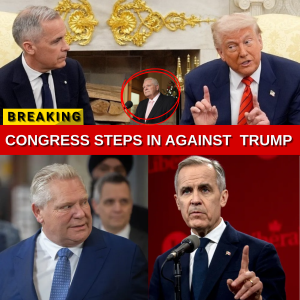
Canada has firmly rejected a series of proposed U.S. trade conditions, signaling a new phase of economic tension between the two North American allies. Prime Minister Mark Carney’s government made it clear that Ottawa will not compromise on key national interests, including dairy protections, digital media regulation, and energy sovereignty. The announcement has quickly become one of the most closely watched developments in global trade politics, raising questions about the future of cross-border cooperation.

At the center of the dispute is Canada’s long-standing dairy supply management system, which Washington has repeatedly criticized as restrictive to American farmers. U.S. negotiators reportedly pushed for expanded market access, but Canadian officials refused to dismantle policies designed to protect domestic producers. Carney emphasized that Canada’s agricultural stability and rural economy are “non-negotiable,” framing the decision as a defense of national economic security rather than a rejection of partnership.
Digital media regulation has emerged as another major flashpoint. Canada’s policies requiring large technology platforms to compensate local news organizations have drawn resistance from U.S.-based tech giants and American trade representatives. Ottawa argues that the measures are essential to preserving Canadian journalism and cultural identity in an era dominated by global digital platforms. The government insists that safeguarding independent media is critical to maintaining democratic resilience.
Energy policy also remains a dividing line. Canada has resisted U.S. pressure to align more closely with American energy priorities, choosing instead to maintain control over its natural resources strategy and transition timeline toward cleaner energy. Officials say the country must balance economic growth, environmental commitments, and energy independence without external interference, reinforcing Canada’s broader push for strategic autonomy.
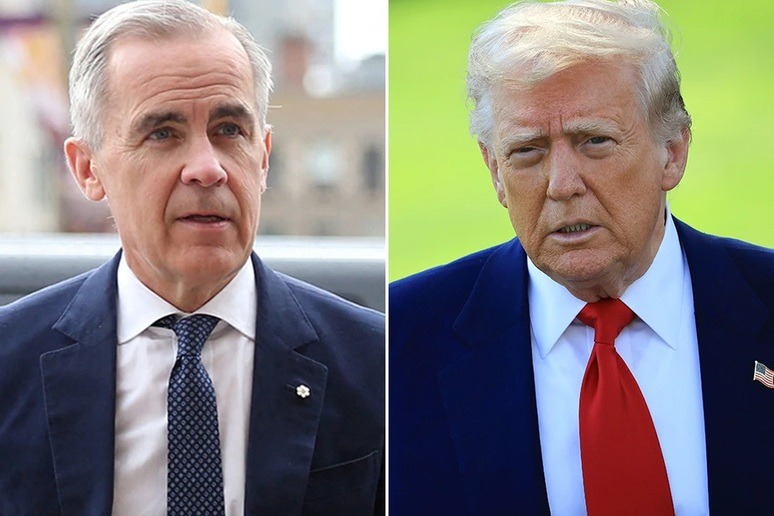
The firm stance taken by Carney’s administration reflects shifting geopolitical dynamics in North America, where economic cooperation increasingly intersects with national sovereignty concerns. Analysts suggest Canada’s refusal may trigger tougher negotiations ahead but could also redefine trade discussions around mutual respect rather than unilateral concessions. Markets are already reacting cautiously as businesses assess potential impacts on supply chains, agriculture, and technology sectors.
Despite rising tensions, both governments have left the door open for continued dialogue. Trade experts believe future negotiations will focus on finding compromise without forcing either side to abandon core domestic priorities. For now, Canada’s message is unmistakable: partnership with the United States remains important, but not at the expense of national policy independence—a stance likely to shape North American trade relations for years to come.