A Confrontation at the FCC Sparks Broader Questions About Political Pressure
WASHINGTON — What began as a routine congressional oversight hearing escalated into an unusually tense exchange on Capitol Hill this week, as Federal Communications Commission Commissioner Brendan Carr faced pointed questions from senators about whether the agency had been used to pressure media organizations critical of former President Donald J. Trump.
During the session, several senators pressed Mr. Carr on recent public comments that appeared to target specific broadcasters, including ABC, following a late-night monologue satirizing Mr. Trump. While Mr. Carr denied acting under political direction, his responses prompted visible frustration from Democrats, who argued that the line between regulatory authority and political intervention had grown dangerously thin.
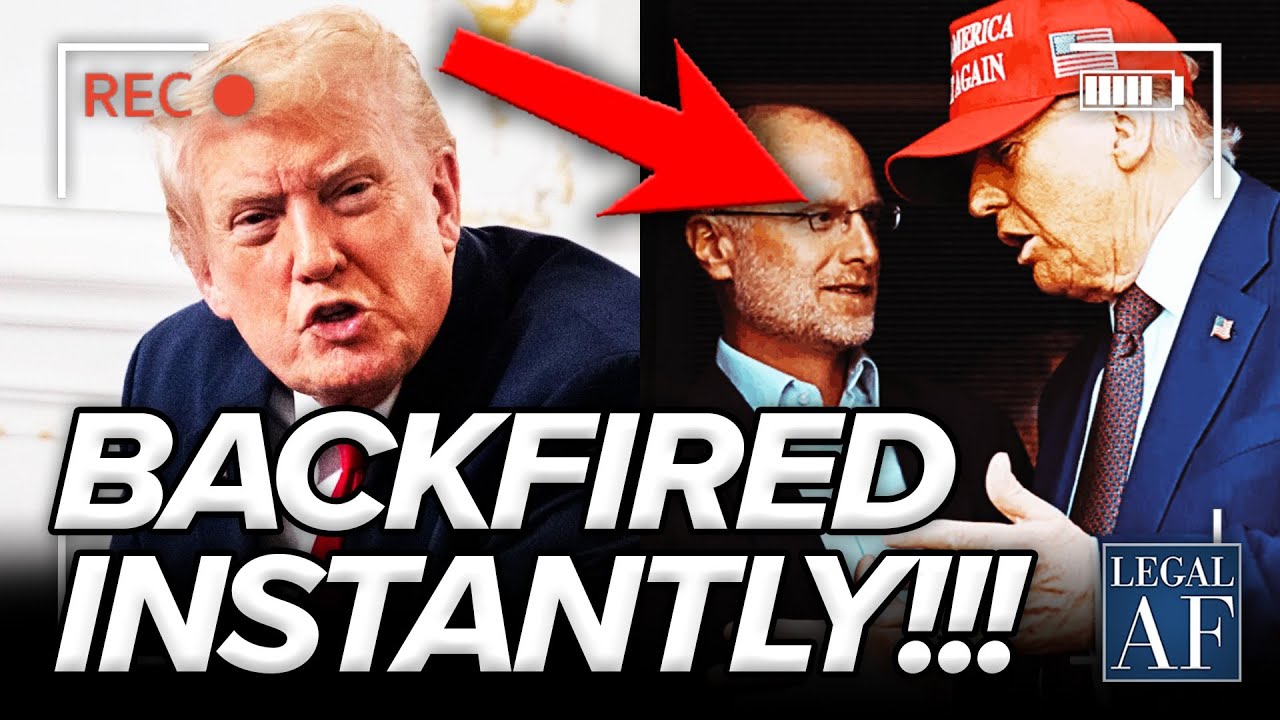
The hearing comes amid a broader reexamination of the FCC’s independence. In recent days, lawmakers and policy analysts have noted changes in the Commission’s public language, including the removal of references to its “independent” status on official materials. Although the FCC has not commented directly on that shift, critics say the timing raises new concerns about the agency’s vulnerability to partisan influence.
Behind the scenes, individuals familiar with the Commission’s internal dynamics, who requested anonymity to describe private discussions, suggested that the public confrontation reflected deeper tensions that have been building for months. Some described an increasingly complex struggle over how aggressively the FCC should engage with broadcasters at a moment when political rhetoric regarding media influence is intensifying nationwide.
For now, neither the Commission nor congressional leaders have indicated whether further inquiry will follow. But the hearing’s tone — unusually sharp for a regulatory review — has left many observers questioning not only the agency’s posture, but also the broader political environment that shaped the showdown.
As policymakers weigh next steps, the episode underscores how quickly regulatory debates can take on national political significance in an era marked by rapid information cycles and heightened scrutiny of institutions once considered insulated from partisan conflict.