The nearly completed $6.4 billion Gordie Howe International Bridge, one of North America’s most important trade projects, suddenly became the center of political controversy after former U.S. President Donald Trump signaled he could attempt to delay its opening. The unexpected warning, delivered through social media, immediately sparked reactions across both sides of the U.S.–Canada border, turning what was meant to be an economic milestone into a cross-border political flashpoint.
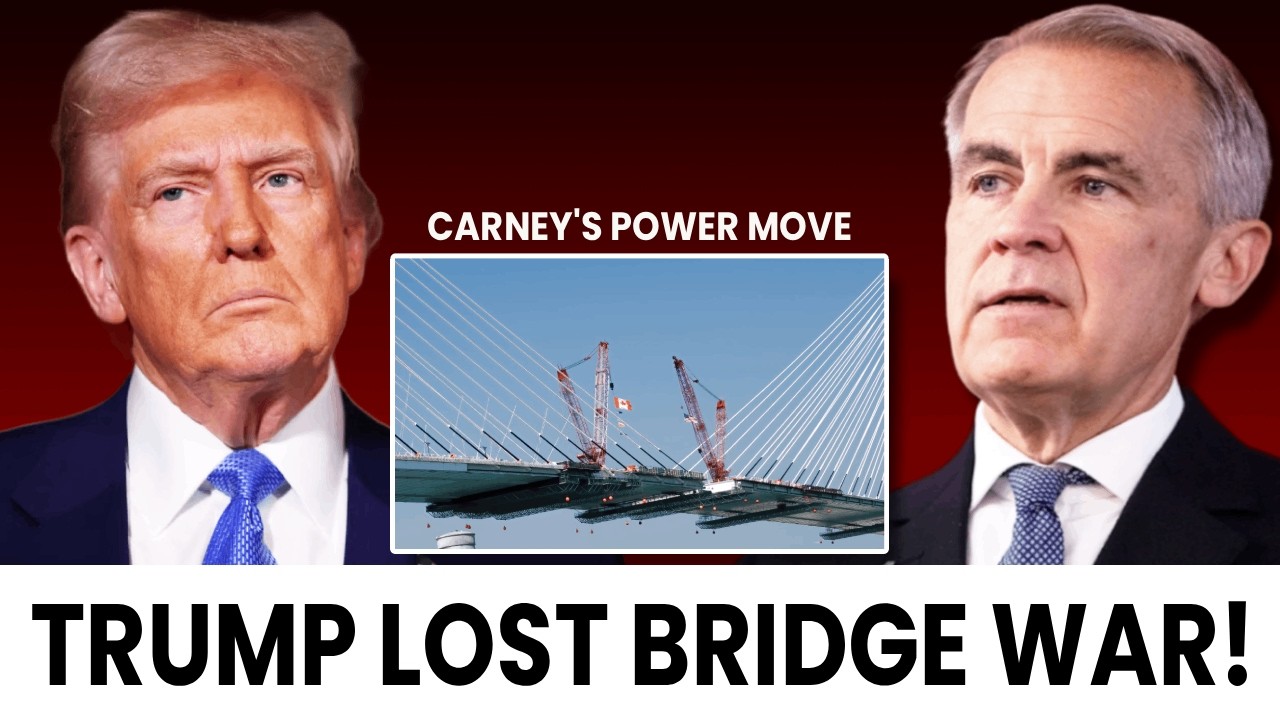
Trump argued that the United States was being “taken advantage of,” suggesting Canada held disproportionate control over the bridge linking Detroit, Michigan, and Windsor, Ontario. However, officials quickly clarified that the claim conflicts with the long-standing 2012 bilateral agreement. Under that deal, Canada financed construction upfront while Michigan secured joint ownership and future toll revenue rights—without contributing initial funding. The project had previously received approvals, permits, and federal support during Trump’s own presidency.
What made the situation particularly striking was the response from within Trump’s own political sphere. Former Michigan Republican Governor Rick Snyder publicly corrected the narrative, emphasizing that the agreement delivers long-term economic benefits to Michigan businesses and workers. Snyder warned that delaying the bridge would primarily harm American manufacturing, supply chains, and the state’s auto industry rather than strengthen U.S. leverage in trade negotiations.
Michigan leaders from both parties echoed that concern. Lawmakers and state officials stressed that the new crossing is essential for regional economic stability, as the Detroit–Windsor corridor carries roughly 25% of all merchandise trade between Canada and the United States. The Gordie Howe Bridge is expected to handle about 8,000 trucks daily, reduce congestion caused by reliance on the aging Ambassador Bridge, and provide a critical backup route for one of the continent’s busiest commercial gateways.
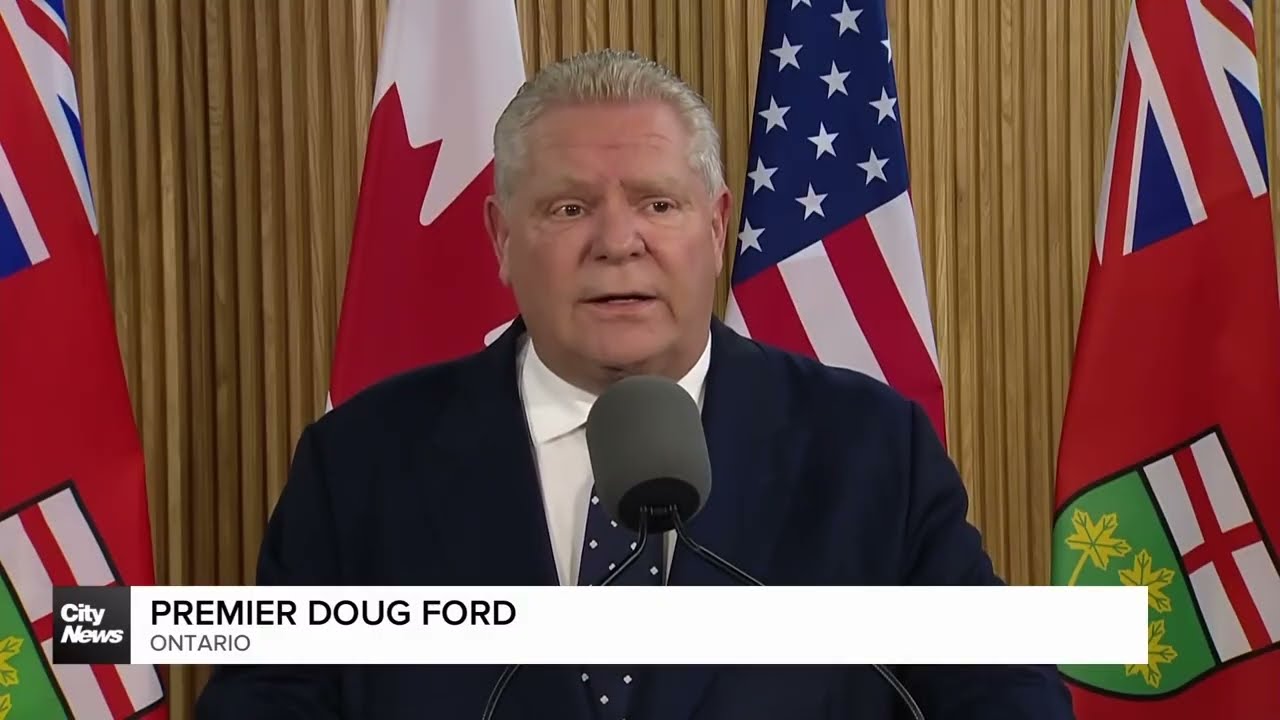
Canadian Prime Minister Mark Carney responded with measured diplomacy rather than escalation. Following a direct conversation with Trump, Carney reiterated key facts: Canada funded construction, ownership is shared, and workers from both countries built the project. His calm approach underscored the broader economic reality — the bridge is less a political bargaining chip than a symbol of deeply integrated North American industry and cooperation.
As construction nears completion, analysts say the episode reveals how infrastructure can become entangled in wider trade disputes involving tariffs, agriculture, and global partnerships. Yet despite political tension, contracts signed more than a decade ago remain intact. The Gordie Howe International Bridge is still on track to open, promising faster trade flows, stronger supply chain resilience, and a rare reminder that economic interdependence often outlasts political confrontation.